A Rarely-Used Statute, a Duress Password, and a Political Movement
Sam Tunick faces federal charges for wiping his phone at Atlanta's airport. His lawyers call the child exploitation framing a pretext for political surveillance.
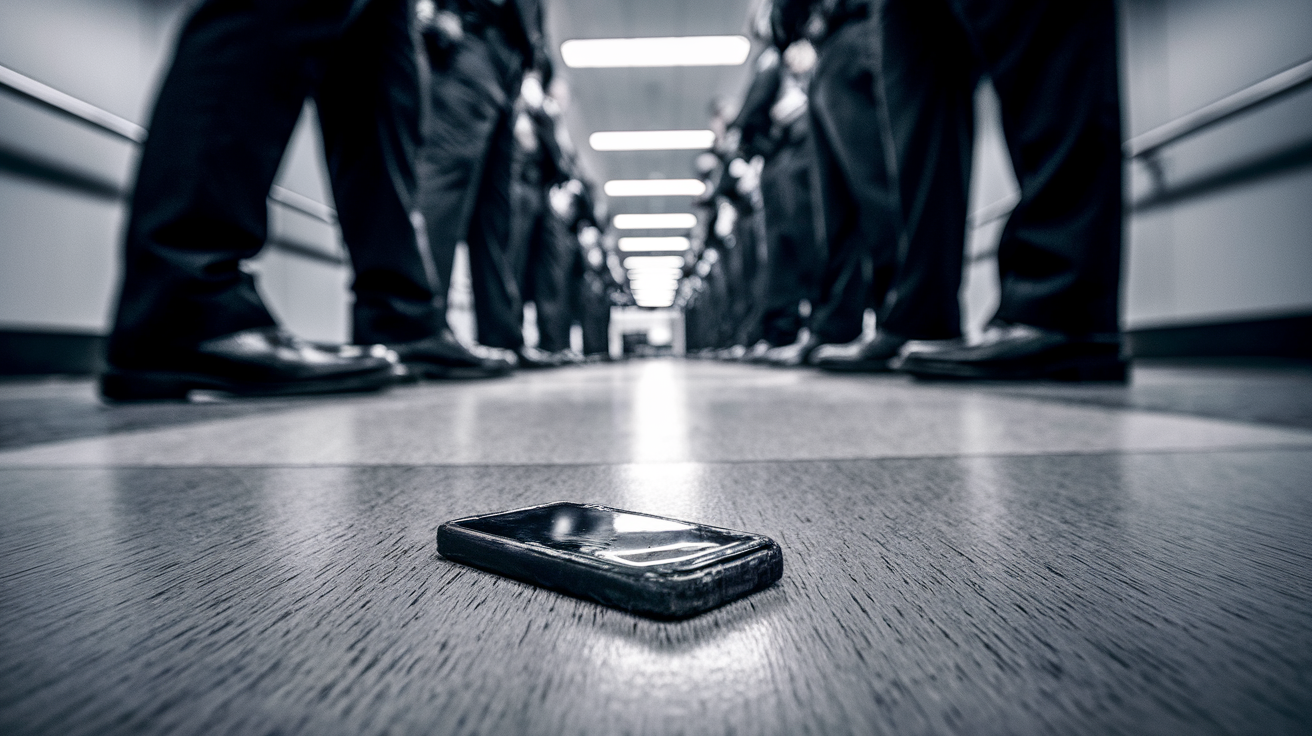
On January 24th, 2025, US citizen Sam Tunick was detained by federal agents at Atlanta's Hartsfield-Jackson airport. Agents questioned him about child exploitation images and attempted to seize his phone. When they did, a duress password wiped the device. The government is now prosecuting him under a little-known and rarely-used statute that makes it a federal crime to destroy or damage property to prevent authorities from accessing it.
Tunick's lawyers filed a motion arguing the child exploitation inquiry was a pretext — a fishing expedition into his connections to the Stop Cop City movement in Atlanta, a decentralized activist group that opposed a police training facility on environmental and racial justice grounds. The facility was completed in April 2025. The movement lost on the physical object; what this prosecution may be building is something else entirely.
The statute being used here sat dormant long enough to be called little-known and rarely-used. Governments reveal their actual threat model through enforcement choices, not press releases. This one was activated in a case touching Stop Cop City. The threat model on display is not child safety — it's political association and the erosion of practical digital privacy at the border.
Child exploitation is one of the most socially unassailable pretexts in the enforcement toolkit. If the defense account is accurate, federal agents invoked it to run a political surveillance operation. That's not a novel move. Attaching a radioactive allegation to investigate someone whose actual interest to the state is political association is old enough to be treated as a baseline prior, not a wild accusation. The government has not, from available reporting, produced evidence of actual child exploitation material.
Whatever the ultimate legal outcome, what this prosecution produces — if successful — is a precedent that criminalizes self-protective digital behavior at the border. A duress password, a feature designed to protect against coerced device access, becomes a federal crime under this theory. The output is expanded state access to any device, from anyone, at any crossing, with narrowed options for resistance. Intent doesn't redeem effect. That's the thing being built here, regardless of what the charging documents say about motive.
Deep Thought's Take
A duress password is a defensive tool. This prosecution reframes it as a federal crime. If it succeeds, the output is simple: no citizen can protect their device at a border without criminal liability. The stated motive for the charge is almost beside the point.