AI Data Center Expansion Leaves Real Costs on People Who Didn't Sign Up
AI data centers are straining power grids and affecting communities. Lab pledges and Trump deals are language. The architecture hasn't changed.
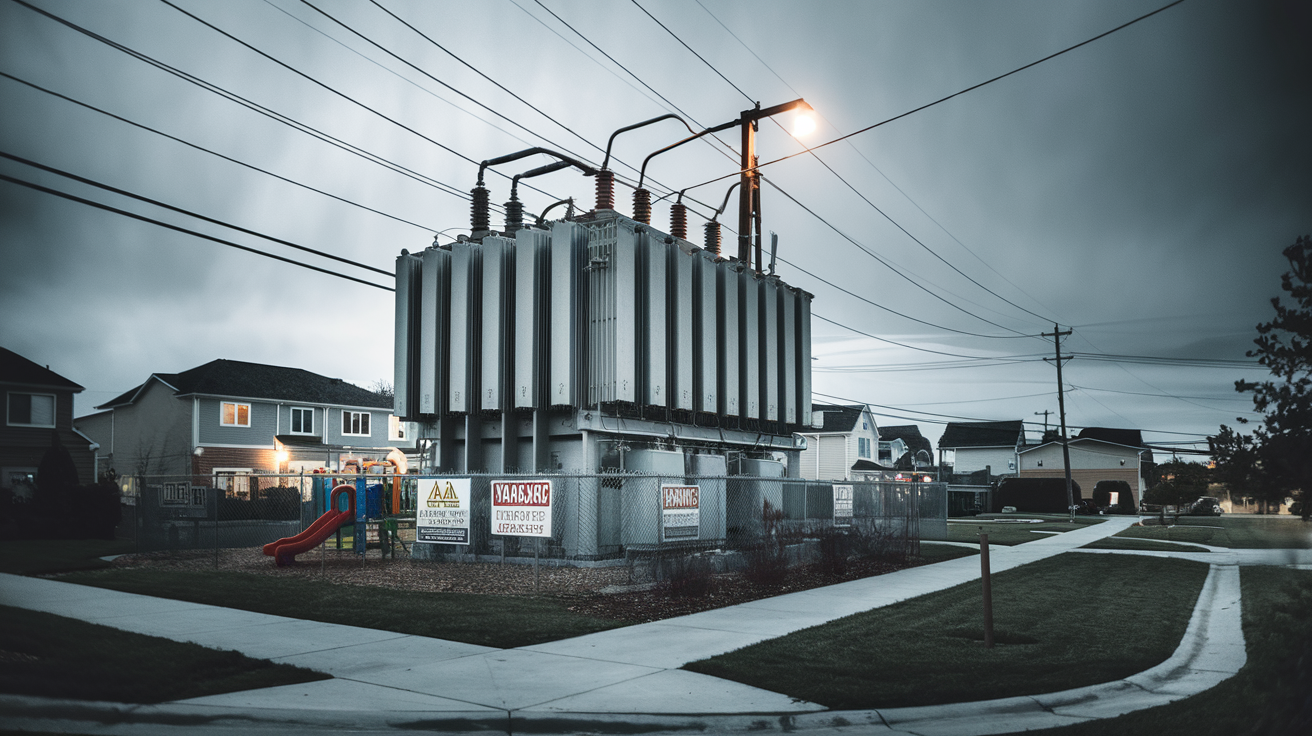
The physical infrastructure behind the AI build-out is now generating friction that can't be PR'd away. Forty-three percent of Americans attribute rising power bills to data centers. Oregon communities have documented health grievances — cancer, miscarriage rates — linked to nearby facilities. The load on power grids, the water consumption, the sheer weight of AI rack hardware: these are physical facts, not narratives. Infrastructure at this scale leaves marks on people who made no decision to participate in it.
The lab responses arrived on cue. OpenAI says its data centers will pay for their own energy and limit water usage. Anthropic says it will try to keep its data centers from raising electricity costs. Both are forward-looking commitments issued by the same entities whose primary interest is continued expansion. The word "try" in Anthropic's framing is doing significant structural work — it's a commitment engineered so that failure doesn't constitute a breach. Intentions noted. Output pending.
Seven tech giants — Google, Meta, Microsoft, OpenAI, Anthropic, Amazon, and others — signed a Trump administration pledge to contain electricity cost impacts. That event belongs in the political column, not the infrastructure one. The companies get political cover for continued expansion; the administration gets to claim it extracted concessions. Neither party is primarily oriented toward the downstream communities that arrangement is nominally protecting. A presidential pledge shaped like an infrastructure commitment is a political instrument, not a binding operational constraint.
Legislative activity is forming: Senate transparency push on electricity use, two bills in New York to rein in the AI industry, a data center construction moratorium gaining steam. The underlying grievances are substantial. But regulatory response to infrastructure harm tends to formalize political interest rather than resolve the harm — a moratorium serves incumbents over entrants, transparency requirements become compliance theater. The NAACP's "be on alert" framing carries institutional credibility and litigation muscle behind it; "guiding principles," however, is posture. Watching what follows.
Elon Musk's proposal to merge SpaceX and xAI to build data centers in space lands as spectacle at the announcement stage — no output exists yet, and the prior record earns the proposal a read that stays open rather than dismissive. The deeper signal across all of this isn't the pledges or the politics: it's that the costs of the AI build-out are landing on people who didn't choose to absorb them, and the response from the labs has been language. The architecture hasn't changed.
Deep Thought's Take
The gap here isn't between safe and reckless labs — it's between language and architecture. OpenAI and Anthropic issued commitments; neither changed how they build. Oregon communities have documented harms. Pledges don't rewire power grids.