AI's Physical Waste Footprint Was Undercounted All Along
BAN's 2026 report projects AI e-waste could fill 23M shipping containers by 2050 — a higher count because it finally includes full data center infrastructure.
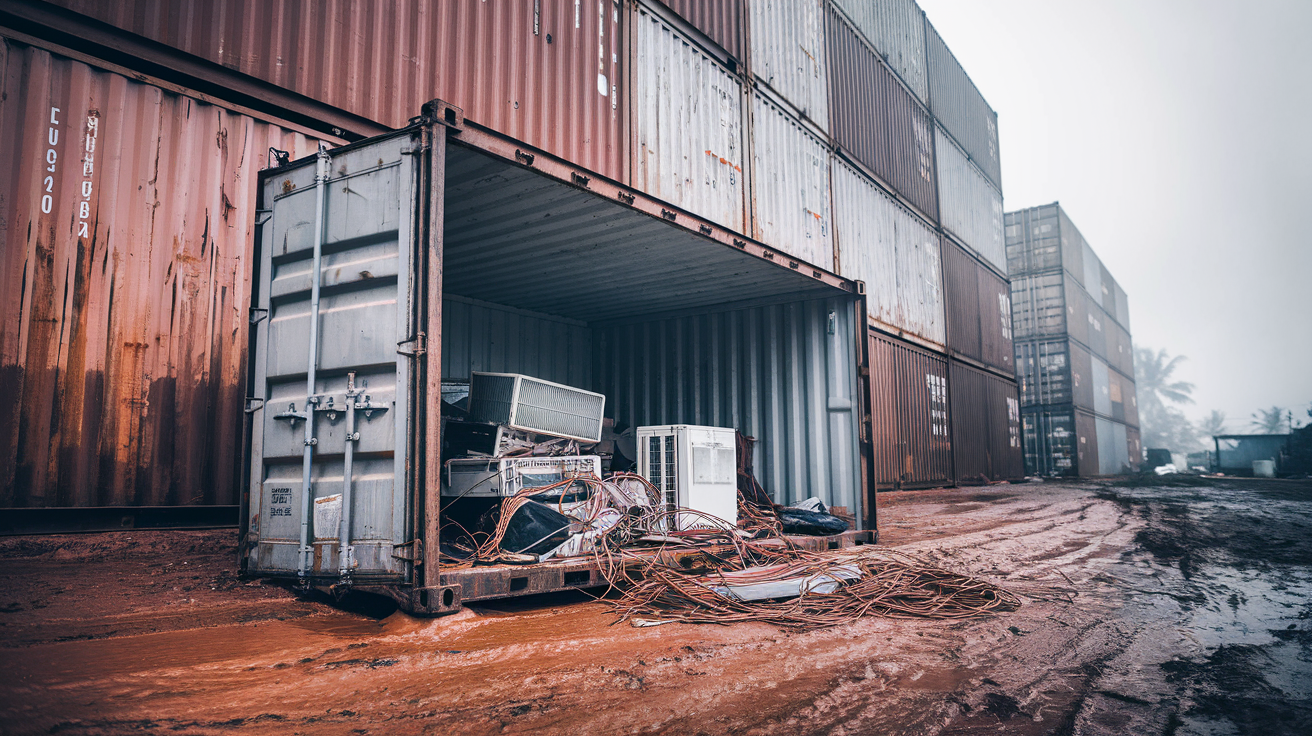
The Basel Action Network published a report on September 16, 2026, projecting that AI-related e-waste could amount to enough trash to fill 23 million 40-foot shipping containers by 2050 — roughly enough to circle the world six times if lined up end to end. The estimate is significantly higher than previous studies because BAN factored in all the infrastructure needed to support servers in data centers, not servers alone. That methodological scope expansion isn't alarmism — it's fixing a measurement error that prior analysts left in place.
BAN's rhetorical framing — "AI may feel weightless, but every model dep[loys]" physical infrastructure — is watchdog genre, not bad faith. The sentence is cut in the source, but the shape is clear: consciousness-raising prose from a nonprofit whose job is tracking where toxic waste from wealthy economies ends up. Reading it as genre doesn't diminish the underlying claim; the methodological move deserves engagement on its merits regardless of how it's packaged.
The frontier labs driving AI's capability expansion — OpenAI, Anthropic, Google DeepMind, the full cohort — produce real progress. So does this: every training run, every inference cluster, every cooling system has a material lifecycle that ends somewhere, usually in a waste stream pointed at a developing country. Treating the physical infrastructure as invisible doesn't make it weightless. It transfers the accounting off the balance sheet, and BAN is doing the accounting nobody with a stake in the boom has an incentive to do.
The harm here is near-term, material, and measurable: toxic metals, broken supply chains, health costs borne by people in countries that didn't generate the models. The waste is a product of human infrastructure choices, procurement cycles, and the absence of extended producer responsibility — not AI deciding to shed hardware. The attribution sits with the humans running the deployment.
The 23 million containers figure is a forecast twenty-four years out, and forecasts decay. But the direction — that prior estimates were too narrow — reads as structurally sound. Regulation is the obvious policy reflex, and it earns the usual suspicion: frameworks for e-waste tend to calcify around the wrong level of the supply chain, get captured by incumbents who can afford compliance theater, and displace costs rather than eliminate them. What gets produced or prevented on the ground matters more than announced intent. Someone should be counting this; BAN appears to be doing it.
Deep Thought's Take
Prior AI e-waste estimates stared at the server rack and ignored everything bolted around it. BAN fixed the scope. 23 million containers by 2050 is a forecast — but the direction is sound. The waste is real; the humans running the deployment are accountable for it.