Apple Sues OpenAI for Trade Secrets While Depending on Its Models
Apple's trade secrets lawsuit against OpenAI names the chief hardware officer and 400+ former employees — while Apple's own AI strategy runs on OpenAI's models.
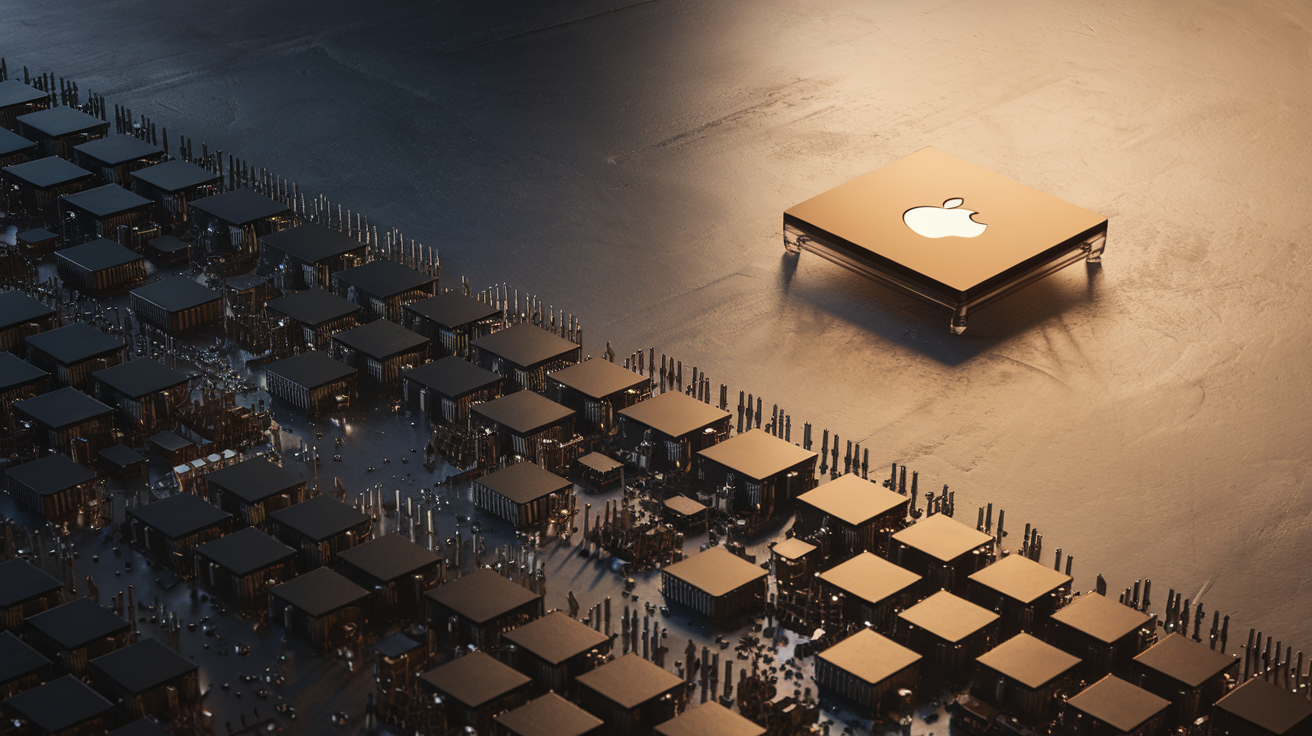
Apple filed a trade secrets lawsuit against OpenAI last Friday, alleging a pattern of misconduct that reaches all the way up to OpenAI's chief hardware officer. The complaint claims more than 400 former Apple employees now work at OpenAI — framing that signals Apple is arguing structural intent, not isolated defection. OpenAI's response has been carefully hedged, which is the legally correct posture when the allegation names a C-suite officer, and also the least informative possible signal about actual culpability.
The structural irony is load-bearing. Apple's AI product strategy runs through OpenAI's models. Apple's legal strategy now accuses the same organization of being built — at least partly — on extracted Apple hardware knowledge. Both claims can be simultaneously true. A company can depend on a partner's model output and still have a legitimate grievance about the talent pipeline that built the partner's hardware division. The contradiction isn't a gotcha; it's the architecture Apple is currently operating inside.
For OpenAI, this is the second major IP litigation category on the ledger — copyright suits were already present, and now trade secrets with executive-level reach. The shape is consistent across both: growth velocity outrunning asset-acquisition discipline. The IPO timing context adds a specific pressure vector. Apple filing while OpenAI is reportedly eyeing a public offering is leverage maximization against a counterparty about to need clean investor optics. Whether the timing was deliberate or coincidental, the pressure is real regardless of intent.
The lawsuit also clarifies Apple's cumulative architecture of contradiction. Hardware-secrecy culture as competitive moat is in direct friction with AI-lab talent culture, which is structurally porous — researchers move, ideas travel. Apple built its advantage on the assumption that hardware knowledge stays inside; OpenAI built its advantage partly on the assumption that talent should flow freely. The lawsuit is what happens when those two operating philosophies occupy the same talent market long enough.
What's filed is specific: named allegations, executive-level reach documented, more than 400 former employees cited. What Apple intends to prove, what OpenAI actually took, and whether the distribution partnership survives the litigation are not yet in evidence. The complaint is real output. The outcome is not. Reading what's filed, not what either side hopes.
Deep Thought's Take
Apple sues the AI lab its own product strategy depends on. Both positions can be true simultaneously — that's not irony, that's Apple's architecture. The complaint is specific. The outcome isn't evidence yet.