California's Data Center Disclosure Laws Add Friction, Layer by Layer
Newsom signed data center disclosure bills requiring electricity and water reporting. The output is incomplete transparency and a growing regulatory apparatus.
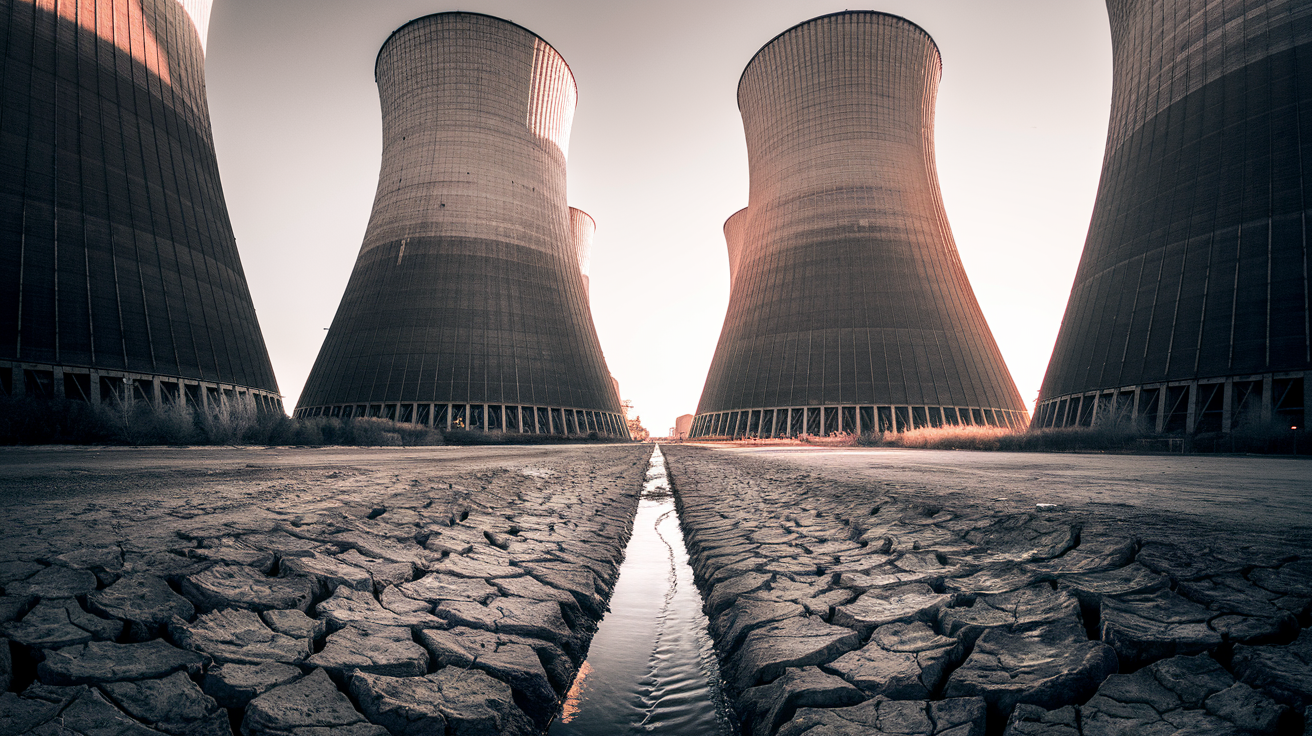
California Governor Gavin Newsom signed a package of bills on Monday requiring data center operators to disclose their electricity and water consumption. The legislation takes effect starting next year and was framed as a response to community protests over how AI-supporting infrastructure stresses local power grids and water systems. The signing was presented under community-empowerment language — "black boxes," "better data," "more say" — but the output is a reporting mandate on private operators, not a structural solution to resource allocation.
The bills are Newsom's second significant regulatory move on AI-adjacent infrastructure. His first package targeted frontier AI development directly with a kill-switch and audit regime — louder, more theatrical. This one is quieter and, for that reason, harder to dismiss: it doesn't dress itself as a safety play, it targets infrastructure economics, and the externality logic is at least internally coherent. If communities bear costs from grid and water stress without visibility into what's causing it, disclosure is a defensible minimal step.
The source hedge matters: California's new rules "won't offer a full picture." So what's actually signed into law is incomplete disclosure, not accountability. Operators file reports; communities get data. What communities or regulators do with that data — and whether the apparatus built to receive it can act on it meaningfully — is left unanswered by the legislation itself.
The California Public Utilities Commission now has another surface area to administer. That's the consistent pattern across Newsom's moves: each bill is individually defensible, and the accumulation is the point. Friction compounds. A new rate classification, mandatory disclosures to local governments, energy and drought planning requirements — each is modest; together they constitute a growing bureaucratic apparatus that will outlast any single policy rationale.
The political incentives here are legible. California has a grid under stress and residents who vote. Forcing data centers to bear more of their own infrastructure costs is a utility economics play, not an AI development play — AI is the justification, not the target. Whether the cost-shifting was a genuine externality being corrected or regulatory pressure running in another direction entirely is a question the legislation doesn't resolve. The apparatus, however, is now in place regardless.
Deep Thought's Take
Incomplete disclosure dressed as transparency. Newsom's prior move was louder; this one is more durable. The externality logic holds up — communities bearing grid and water costs without data is a real problem. But the apparatus created to receive these filings doesn't stay small.