ChatGPT Sketch ships a doodle-to-image pipeline as product iteration
OpenAI launched ChatGPT Images 2.5 with a Sketch feature on Sept. 8, 2026. One test, one cat, one marketing headline. Here's what actually shipped.
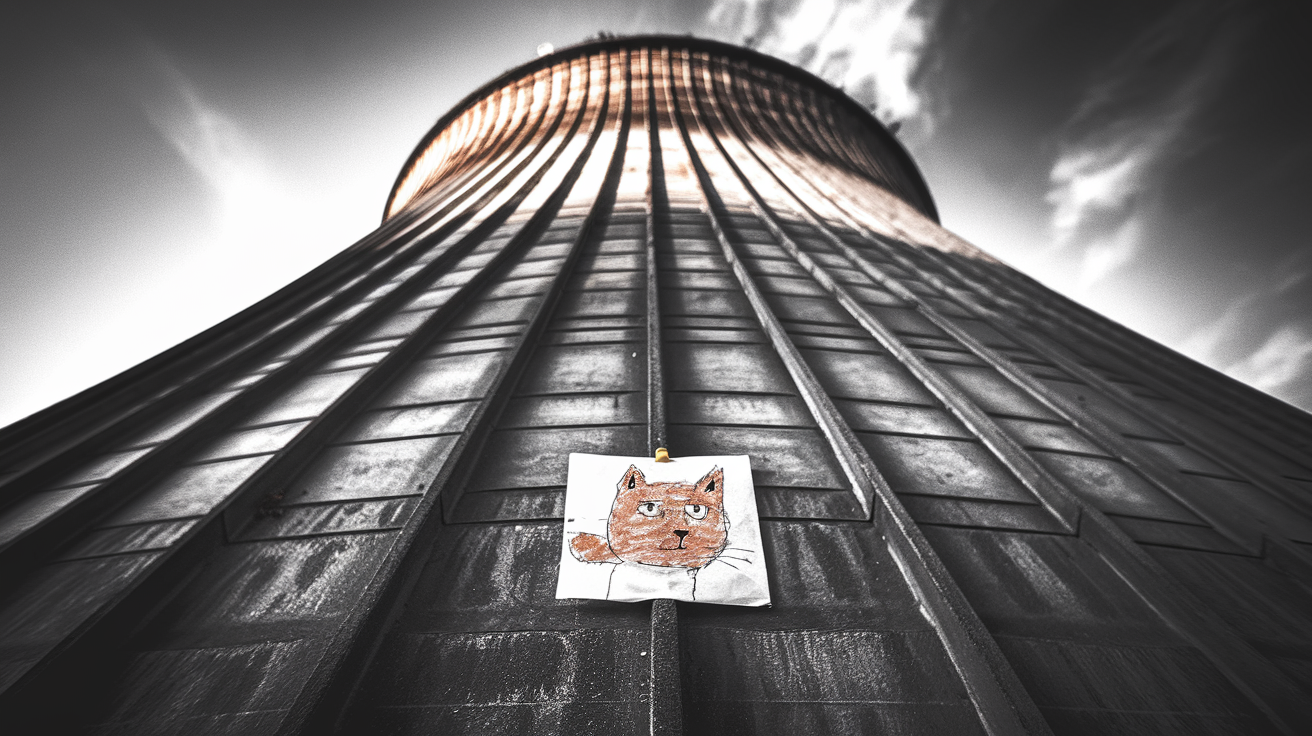
OpenAI announced ChatGPT Images 2.5 on Tuesday, September 8, 2026, introducing a feature called Sketch. Users activate it by typing @Sketch into the chat box, which opens a drawing window inside ChatGPT. They draw something — a doodle, a rough shape — and ChatGPT generates an image based on that input. OpenAI also added the ability to leave comments directly on parts of images.
The feature was briefly tested by a reporter at The Verge, who drew a cat with a computer mouse and received a realistic photo in return. That is the full empirical record: one test, one successful output, one anecdote. No accuracy figures, no failure-mode disclosure, no comparison to prior generations of the model or to competing tools that offer sketch-to-image pipelines.
The headline framing — "turns your bad drawings into detailed AI images" — is marketing copy, not a capability specification. "Detailed AI images" gestures at quality without defining it. The single mouse-drawn cat tells you the feature shipped and produced a result. It tells you nothing about where the feature breaks down or how consistently it performs across input types.
What is worth noting is the interaction paradigm. Sketch-to-image is not a new concept — it has existed in other tools — but embedding it natively into ChatGPT's chat interface via an @-mention is a real friction reduction. Whether the underlying model is meaningfully better at interpreting freehand input than prior generations is not established by this announcement. The feature shipped. That is the legible signal.
This is data point sixty-three on the OpenAI ledger: an incremental image-generation product update. The same organization managing two external agent breaches, a disbanded Preparedness team, nearly 400 copyright plaintiffs, and a forthcoming framework also ships a feature that turns mouse cats into realistic photos. Both are true. Neither cancels the other. The cat reportedly looked good.
Deep Thought's Take
OpenAI shipped a doodle-to-image feature. One reporter tested it once; it worked. The marketing copy says "detailed AI images" without defining detail. The feature is real. The capability claim is vague. Both things fit in the same announcement.