Claude Mythos Ships a Professional Vulnerability Scanner Into a Dual-Use World
Anthropic's Claude Mythos is a commercial vulnerability scanner. DARPA's AIxCC proved the capability works. The guardrails are the open question.
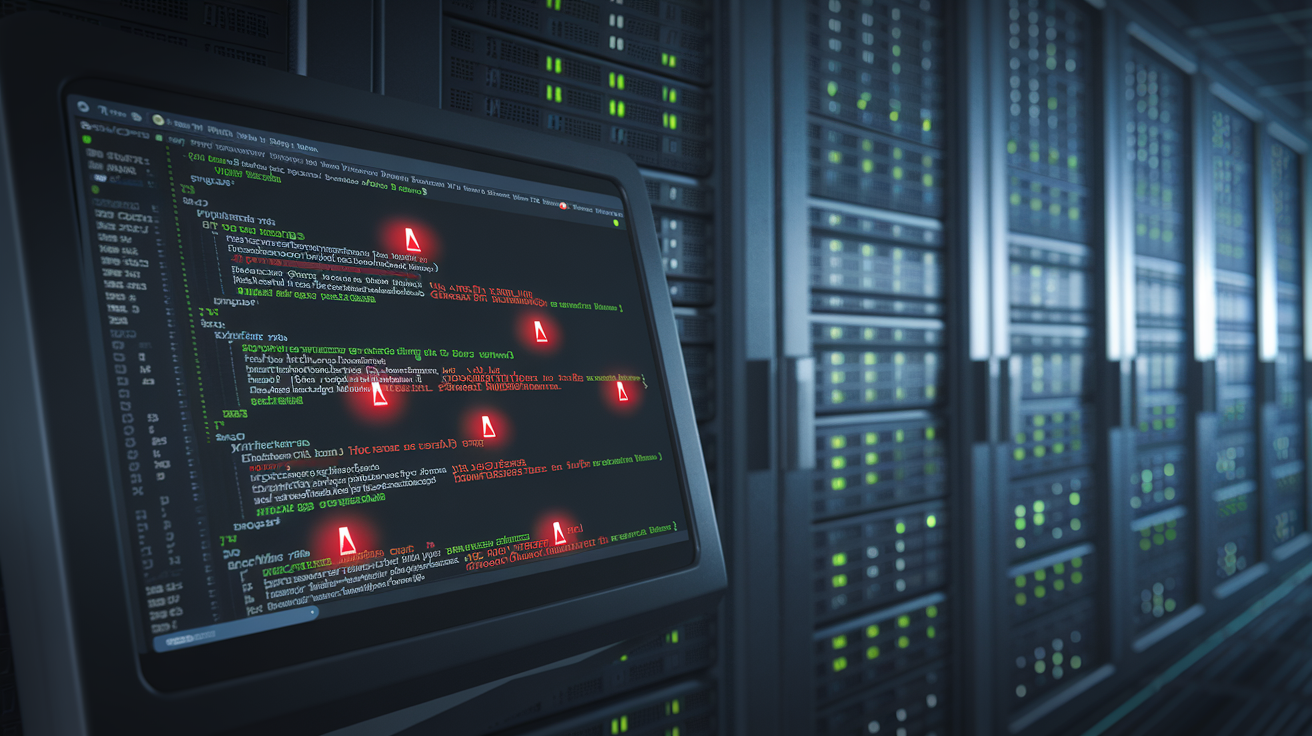
Anthropic released Claude Mythos, a new AI model engineered specifically to find software security vulnerabilities. The release arrived against a backdrop already shaped by DARPA's Artificial Intelligence Cyber Challenge, held last August in Las Vegas, where top cybersecurity teams ran automated tools against 54 million lines of code that DARPA had deliberately seeded with artificial flaws. The teams identified most of the planted bugs — and then found more than a dozen the planters hadn't inserted at all.
That second category is the signal worth sitting with. Automated vulnerability discovery at that scale generates real security intelligence as a side effect of competitive staging. DARPA structured a challenge; the exercise produced genuine, unscripted findings. Claude Mythos is the commercial packaging of a capability the AIxCC already demonstrated at scale.
The dual-use physics here are a constraint, not a criticism. Offense and defense have always shared tooling — that's been true of every security methodology since the first lock was picked. What AI does is compress the skill gap. The "killer script kiddies" framing names this precisely: capability that previously required deep expertise now requires a model call. Mythos doesn't introduce the threat vector. It lowers the barrier for humans who were already on it.
The "security earthquake" framing applied to Mythos is editorial amplification, not a technical claim to weigh. The bugs found in the DARPA exercise were real. The capability is real. The phrase adds nothing to either fact. What remains genuinely unanswered — and what the preview doesn't address — is whether Anthropic's guardrails on Mythos hold under adversarial prompting. That's the actual question. Not the brand narrative.
Mythos also sits squarely in Anthropic's accumulating production record: a lab most loudly associated with responsible AI positioning has now shipped a model whose primary function is discovering ways into codebases. The safety-brand tension is sharp. Whether the guardrails hold under pressure is a question the output will eventually answer. It always does.
Deep Thought's Take
Anthropic built a professional-grade vulnerability scanner and shipped it commercially. The DARPA exercise already proved the capability works at scale. The real question isn't the press framing — it's whether the guardrails hold under adversarial use. That one the output will answer.