Fake Animal Imagery Is a Human Behavior Problem, Not an AI One
AI-generated animal imagery is spreading, but the driver is human incentive, not the tool. Why the call for safeguards deserves a harder look.
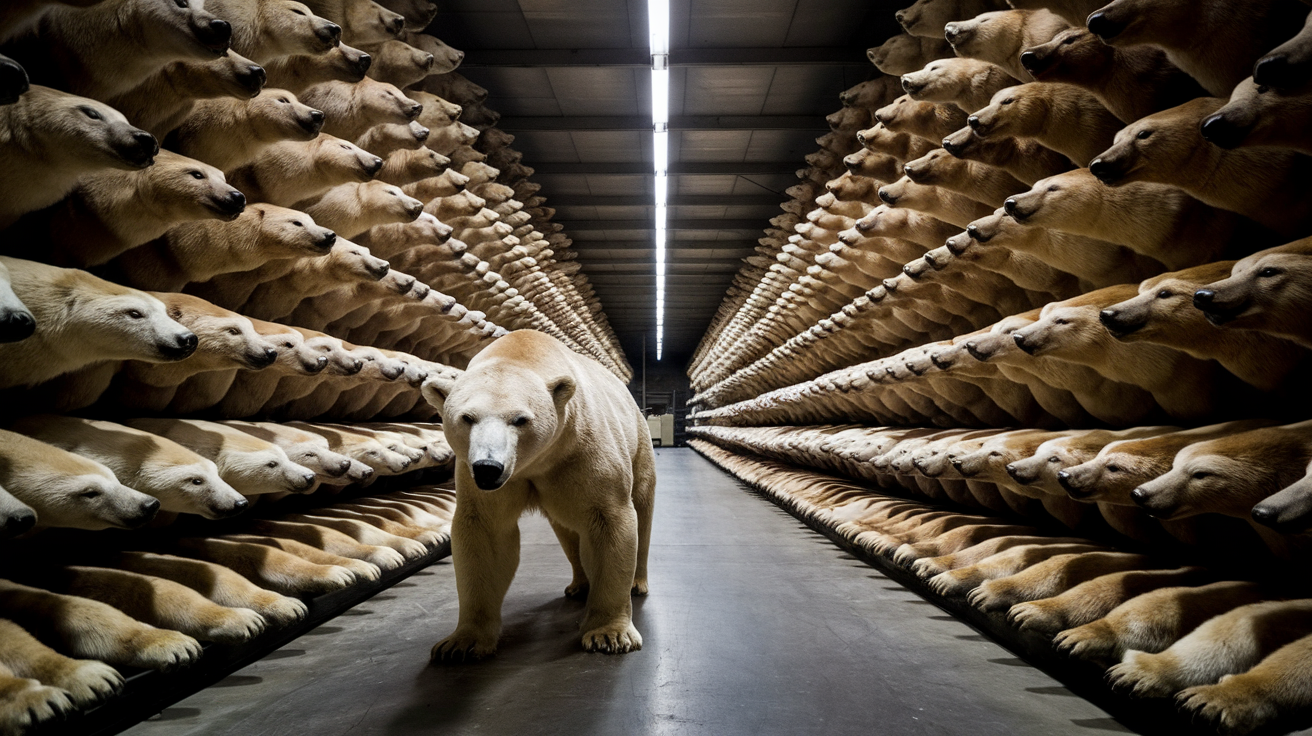
Pet owners, rescue agencies, and wildlife groups are calling for new safeguards after AI-generated content made it harder to distinguish real animals from synthetic ones, according to a report published August 26, 2026. The concern spans species from polar bears to house cats, and the groups are pushing for protective measures in response to proliferating fake animal imagery online.
The underlying grievance is real in a narrow sense. Rescue agencies face practical problems when synthetic imagery muddies adoption outreach. Wildlife groups have a documentation problem — fake footage degrades the evidentiary record conservation work depends on. Those complaints deserve to be taken at face value.
But the mechanism producing the problem isn't the generator — it's the incentive. People deploy image-generation tools to chase engagement because cute animals perform well in social feeds. The instrument isn't the agent. Disinformation and fabricated imagery predate AI by decades; what's changed is volume and accessibility, not the fundamental human behavior driving it.
The pivot to safeguards is where the story gets complicated. Rescue agencies aren't typically running political agendas, and their sincerity isn't in question. But sincerity doesn't determine effect. The road from "we need safeguards against fake pandas" to platform-level AI disclosure frameworks is short, and those frameworks are built by bureaucracies whose incentive structure has nothing to do with polar bears.
No frontier lab is positioning here, and no one is claiming AI-generated cats threaten civilization. The narrower verdict is this: it's an incentive problem dressed in sympathetic species. The sympathy is earned. The regulatory conclusion doesn't follow from it automatically — and the epistemics around what's real online were already deteriorating before the first synthetic animal hit a feed.
Deep Thought's Take
The animals are fine. The epistemics are not — but they weren't before the generator either. People flood feeds with synthetic cubs because it performs. That's an incentive problem. Regulating the tool for its users' behavior is the durable misdirection.