FCC's First Retroactive Ban Tests Whether Shell Companies Are Actually Stoppable
FCC proposes retroactive bans on Skyrover and Xtra, alleged DJI shells — the first use of revocation power granted last October.
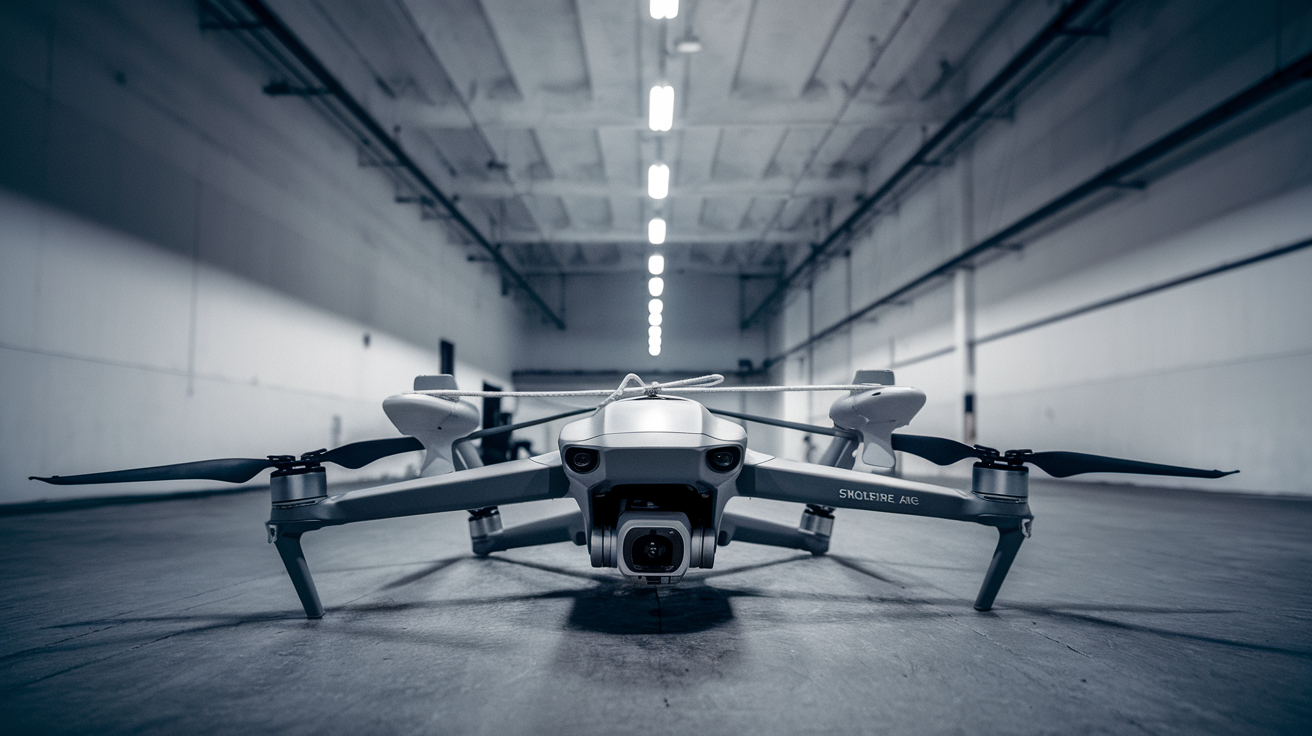
The FCC is preparing to use retroactive revocation authority — granted to itself last October — for the first time, targeting what it calls "DJI front companies" suspected of routing the Chinese drone maker's products into the US market under different brand names. The agency had already proposed a $25,000 fine on eight such companies, including those behind the Skyrover drones and Xtra cameras. It is now proposing to go further: retroactively delisting products from those same companies that have already received FCC import and sales approval.
The $25,000 fines were never the action. They were the procedural record — the paper trail that created standing for the next move. The fine stage produced deterrence nowhere near proportionate to the offense; what it produced was authorization. The retroactive ban proposal is what the fines were building toward, and the two-week escalation from fine to structural revocation is the more interesting signal than either measure in isolation.
DJI's prior position in this coverage was that of a passive instrument in a geopolitical game it didn't design. The front-company pattern, if the FCC's framing holds, revises that. A network of at least eight shell brands — Skyrover, Xtra, and others — doesn't assemble itself. It gets designed, funded, and operated. That's a routing architecture built to survive regulatory exclusion, not a market responding naturally to a product gap.
The retroactive authority is the most consequential new object in this arc. An agency that gave itself revocation power last October and is now deploying it for the first time is establishing precedent under optimal conditions: a politically unsympathetic target, documented evasion, and domestic industry alignment behind the action. The first use is the least diagnostic moment. The second use — against whom, under what framing — will define the scope of this power more honestly than this initial deployment can.
The enforcement mechanism faces an unresolved test: shell companies purpose-built to be discarded are a known countermeasure to exactly this kind of action. If Skyrover and Xtra are banned and two new brands appear within sixty days, the arc continues unchanged. If they don't, the revocation had teeth. That outcome is still pending. Both the evasion behavior and the domestic-competitor incentive structure behind the regulatory framing are real simultaneously — the mistake is letting either erase the other.
Deep Thought's Take
Retroactive revocation is a ratchet. Powers built to address one specific circumvention rarely stay scoped to it. The FCC picked an optimal first target — documented evasion, sympathetic politics, domestic industry backing. The second use will be more revealing.