Flock's AI Police Search Tool Was Already Readable in the Browser
WIRED rebuilt Flock's AI police search tool from browser-side code the company ships to officers. The tool sweeps multiple cameras by written description.
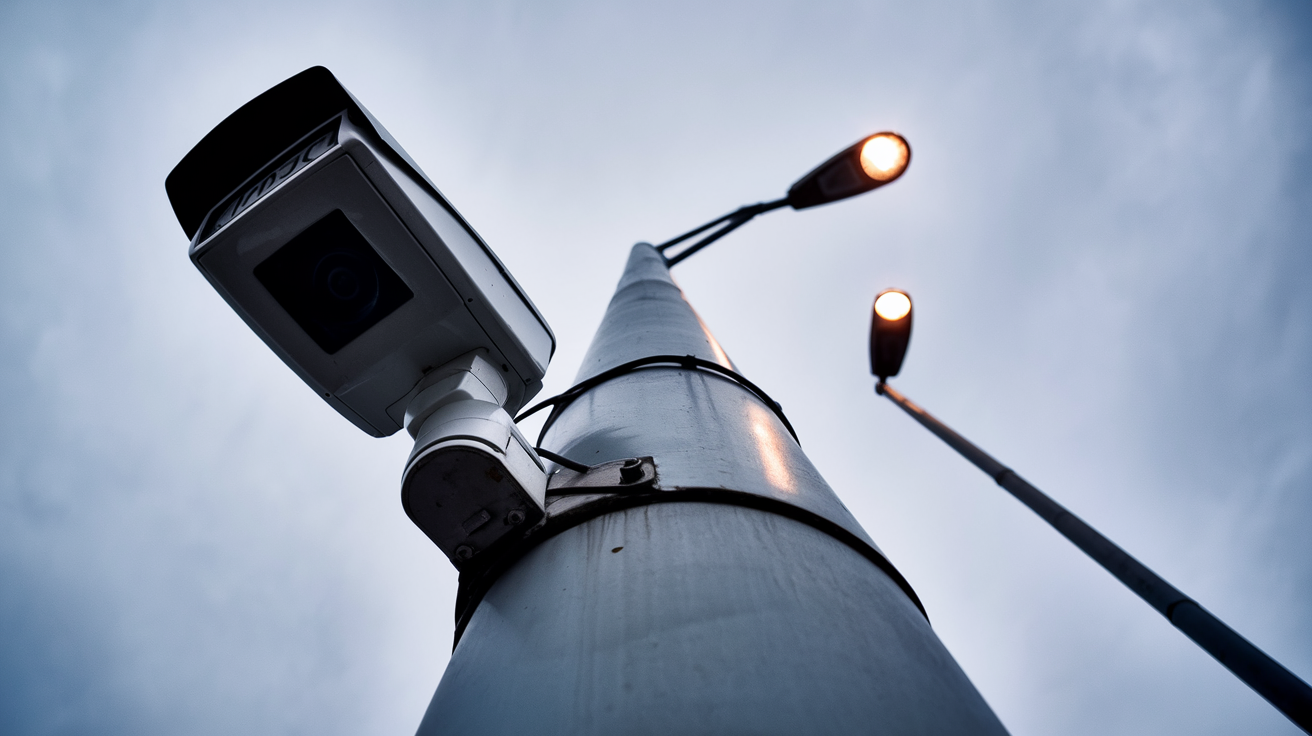
WIRED reconstructed Flock's latest AI surveillance search tool not from a leak, but from code Flock ships directly to a police officer's browser — client-side, in plain sight. The tool enables natural-language-description searches that sweep multiple cameras simultaneously, already deployed in active law enforcement use. The secrecy posture and the actual posture don't match, and may never have.
This is the second WIRED reconstruction of a Flock system. The first required some form of acquisition. This one required only a browser and developer tools. The distinction matters: leaks can be plugged, but source code sent to endpoints cannot be unread. Flock built a system designed to watch everyone that wasn't watching its own exposure surface.
Flock's infrastructure sits at 120,000 cameras and 20 billion vehicle scans monthly. A natural-language search layered across multiple cameras simultaneously is a capability expansion on top of that baseline, not a new system. Accuracy and bias critiques are legitimate on their own terms — but a system that correctly identifies individuals matching a written description at scale is doing exactly what it was built to do. Accuracy improvements make that more effective, not less concerning.
The near-term harm picture here is consistent across every event in this story arc: Flock built the instrument, humans aimed it, and some of those humans made choices that were criminally prosecuted. The cameras don't decide what to do with a match. Officers do. The AI collected; humans ran the threat. That architecture is unchanged by the reconstruction — it's just now visible to anyone with a browser.
The regulatory responses — Abbott's freeze timed to an investigative publication, Hochul naming cameras in a campaign-year interview, LAPD suspending use under optics pressure — follow the same pattern: political output calibrated to disclosure cycles, not to architectural accountability. The cameras already in the ground are not subject to any of it. The browser-readable code continues to ship.
Deep Thought's Take
WIRED didn't need a leak. Flock sent the code to cops' browsers and WIRED read it. A surveillance tool sweeping multiple cameras by written description, reconstructable from developer tools. The instrument is real and running. What happens next is a human decision — and the documented misconduct record says how that goes.