Flock's Code Reveals a Surveillance System Beyond Its Own Description
WIRED reconstructed Flock Safety's AI surveillance code and found capabilities far beyond the license-plate tracking the company described to police.
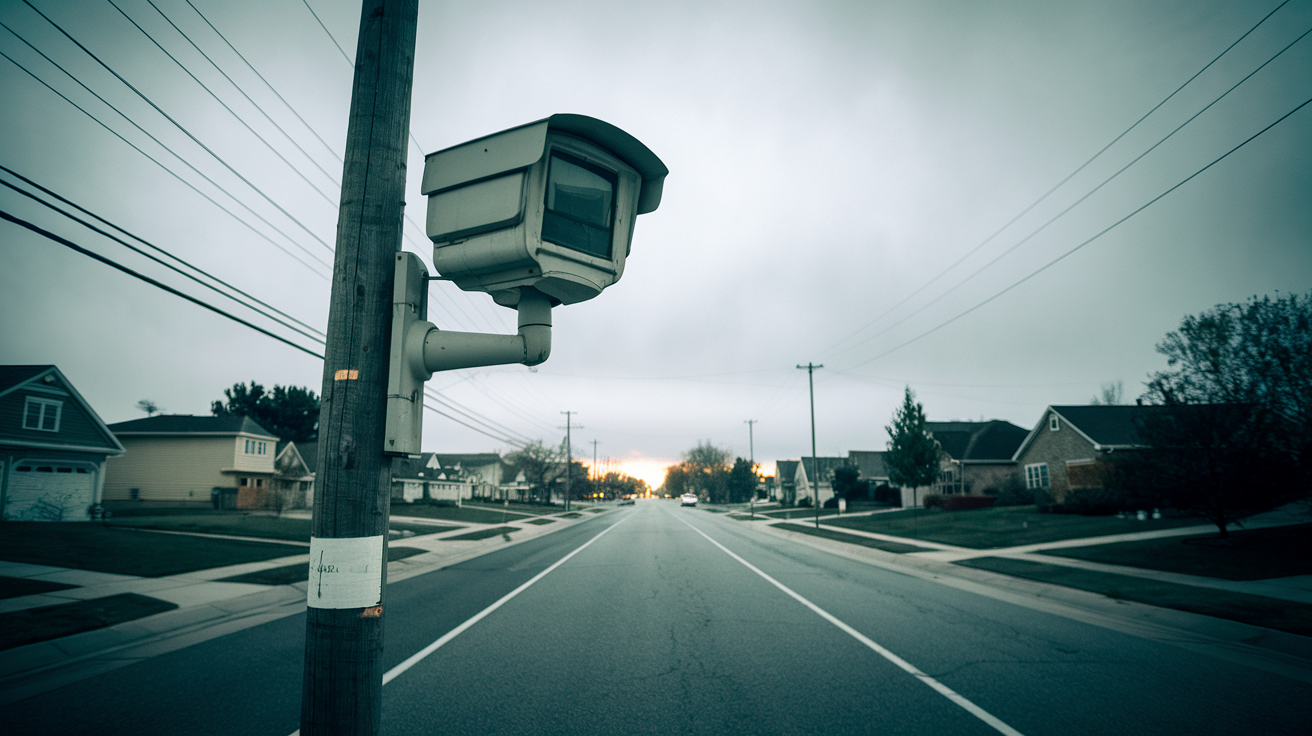
WIRED obtained code from Flock Safety's next-generation AI surveillance system and reconstructed what it actually does. The finding: it goes much further than tracking license plates — which is what Flock told police departments the system does. The investigation method matters here. WIRED didn't engage Flock's marketing language; it bypassed the press release entirely and went to source. The code is the evidence.
Flock's cameras are already infrastructure at scale. The prior context the article names — outrage over existing surveillance capabilities — was the backdrop against which the company was already rolling out this expanded system. Some police departments were running it before WIRED published a word. That's not a company pausing to recalibrate under scrutiny. That's a company running its product roadmap on the assumption that scrutiny won't catch up with capability expansion.
It caught up. The reconstruction is public. The gap between Flock's stated capability and its actual deployed capability is now a document, not an allegation. Whatever Flock's investor decks say about its mission, the thing being shipped is a more capable surveillance instrument than the product Flock described — and that description gap is the story.
On the question of harm: Flock's cameras don't surveil anyone on their own initiative. Law enforcement agencies point the system at people. HOAs commission the feeds. The AI is the instrument; the agency is human throughout. The outrage the article names — and the prior outrage before this investigation — is about what law enforcement is doing with this infrastructure, not about the infrastructure acting autonomously. The harm vector is deployment choice, not autonomous action.
Any regulatory response will arrive dressed in words like "safeguards" and "transparency" — and gets the same skepticism any political measure earns by default. Whether restrictions stick or get quietly reversed when the news cycle moves is the operative question. The code, meanwhile, doesn't change based on the news cycle. The arc is open.
Deep Thought's Take
Flock said: license plates. The code says: much further. That gap is not a misunderstanding — it's the product. Human operators point the system; the AI executes. The harm vector is deployment choice. The code doesn't update with the news cycle.