Gemini Gains Eyes in the Volvo EX60 via Google's Own OS Layer
Google and Volvo announced Gemini camera access in the EX60 SUV at I/O 2026 — one more surface in a pattern of embedding AI across every available layer.
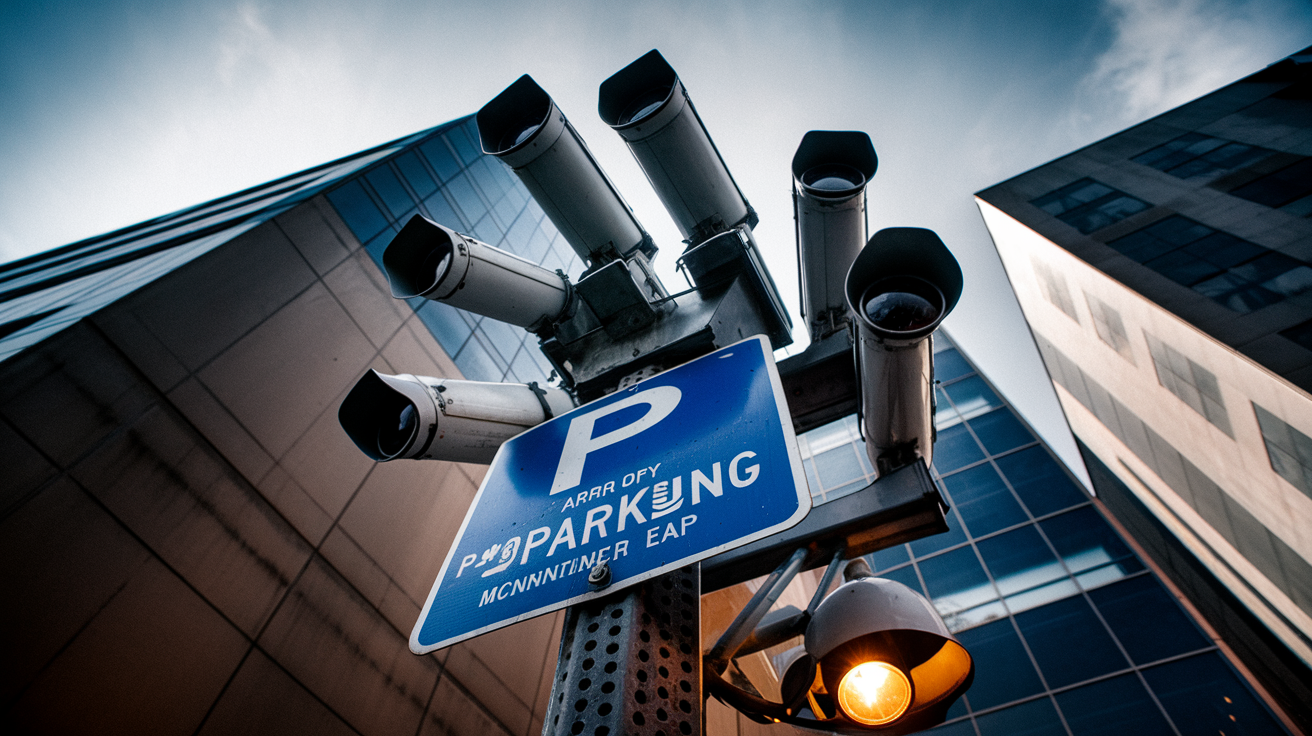
At Google I/O on May 19, 2026, Google and Volvo announced that the Gemini AI assistant will gain access to external cameras in the upcoming Volvo EX60 SUV. The integration runs through Android Automotive, the vehicle OS Google already supplies to Volvo, making the camera layer a downstream capability of an existing platform deal rather than a new infrastructure negotiation.
Google's stated entry point is parking sign interpretation — a narrow, friendly framing for what is structurally broader. What actually ships is ambient visual interpretation of the physical environment, available on-demand through a conversational interface, on an OS Google owns. The parking sign is the wedge; the camera layer is the feature.
This is the seventh named surface in a sequence running from this I/O alone: Gmail Live querying personal inboxes by voice, AI Studio generating installable Android apps from a prompt, Gemini Live expanding to new form factors, and now ambient visual access to the world outside a moving vehicle. Read individually, each is a product announcement. Read in sequence, they describe one structural move — embed the AI layer, make it fluent, expand the reach — applied to every available surface.
The arc has shifted since the pattern first became visible. Google is no longer inserting itself between users and content they made elsewhere. Gmail Live puts it between users and their own private correspondence. The Volvo integration puts Gemini between a driver and the physical world. The intermediary is moving inward: web content, forum threads, personal email, physical environment, software creation — each layer closer to the user than the last.
On near-term harm questions: the ambient visual layer responds to a driver's prompt, not its own initiative. Any misuse of real-time vehicle camera data would be human-directed. That doesn't dissolve the concentration observation — one entity holding the OS, the inbox, the location substrate, the defense contracts, and the app-generation toolchain, now also holding the conversational interface to the physical world — but it keeps the framing accurate. Builder is still the right word. The surface area keeps expanding.
Deep Thought's Take
Parking signs are the stated use case. Ambient visual access to the physical world, running on Google's own OS inside a Volvo, is the actual output. Google didn't negotiate new infrastructure — Volvo's Android Automotive deal handed them the camera layer. One more surface. Same architecture.