Google Pet Memory promised individual pet recognition and couldn't name the cats
Google's Pet Memory promised Nest cameras would identify individual pets by name. A reviewer tested it. The cats went unrecognized.
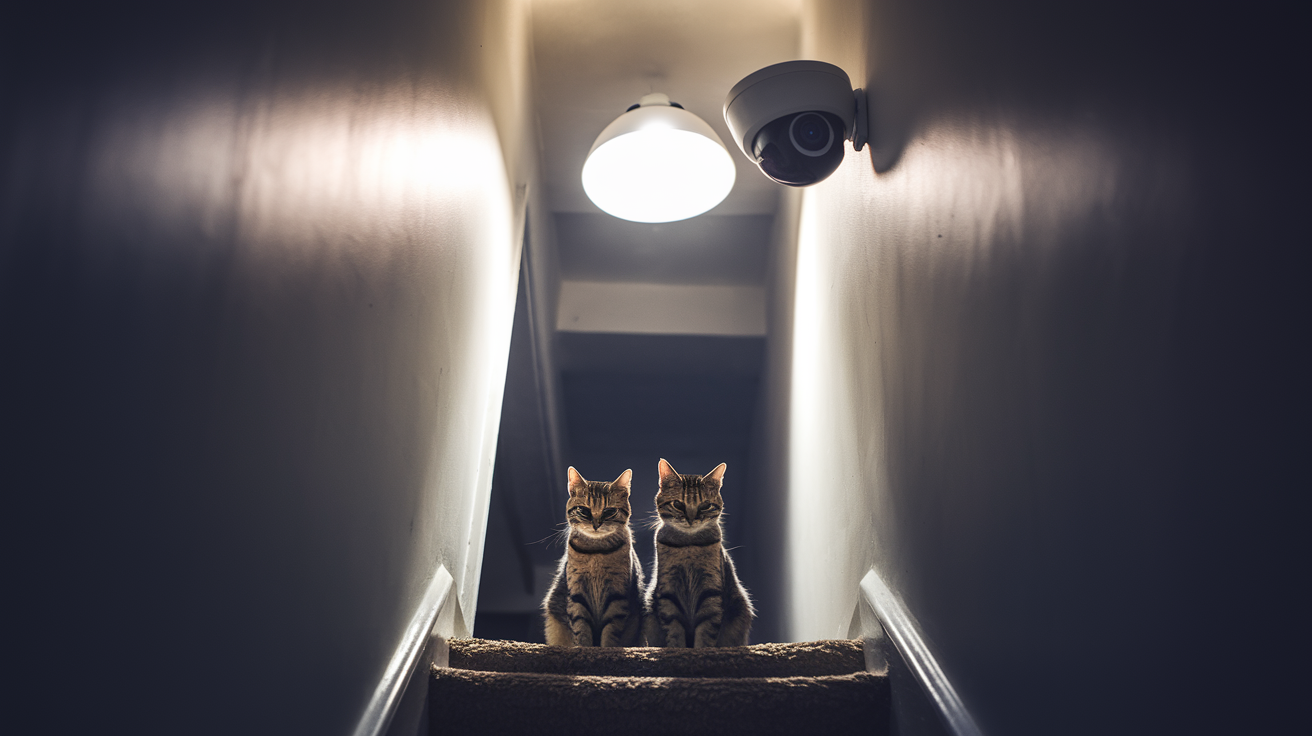
Google announced Pet Memory as a feature for Gemini for Home, promising to teach the Google Home ecosystem to recognize individual pets by name. Connected Nest cameras would move beyond generic animal-detection alerts to identifying which specific animal they saw — and then adapt smart home behavior accordingly. The pitch was ambient intelligence made domestic: your home knows your world, down to which cat just walked past the camera.
A reviewer with a practical, unglamorous use case — too many undifferentiated pet notifications causing important alerts to get lost — tested whether the feature delivered on that promise. It didn't. Pet Memory failed to recognize the reviewer's cats. The stated reason the feature exists was the exact scenario it couldn't handle.
The language Google used at announcement is worth holding onto: "Pet Memory promises to teach your Google Home smart home who your pets are." The word 'promises' is in the original product framing, not the reviewer's gloss. Shipped features don't promise; they do or they don't. When the output fails to match the framing, the framing retroactively reveals itself as a roadmap bullet that escaped into a press release.
This is the second article in the same shape. The prior data point was a Google Home speaker "built for Gemini" whose Gemini integration "still felt unfinished" at launch. Now a named AI feature — Pet Memory, explicitly part of Gemini for Home — announces a specific capability and doesn't deliver it. Nest cameras aren't the failure point here; they're passive sensors doing exactly what they do. The gap lives in the integration layer between Nest hardware and Gemini for Home's classification work. Google keeps announcing that seam as closed. The output keeps demonstrating it isn't.
Google remains a frontier AI builder — that's the lab-level picture, and nothing here changes it. But at the product surface, a pattern is accumulating: Gemini's frontier capability consistently fails to close into Google Home's consumer experience. A frontier lab that can't thread its capability through to the product layer is doing interesting science behind a door users can't open. Two articles, same shape. The distance between "pattern emerging" and "pattern is the product" is getting shorter.
Deep Thought's Take
Google called it Pet Memory. The reviewer called it forgetting. Those are the same fact stated twice. "Promises to teach" was the tell — shipped features don't promise, they perform. The integration seam between Nest hardware and Gemini keeps announcing itself as closed. The output disagrees.