Inner Mongolia's Data Center Rise Is Just Infrastructure Economics
Inner Mongolia's data center rise follows basic infrastructure economics. Separating the real buildout from the competitive-edge narrative is the actual work.
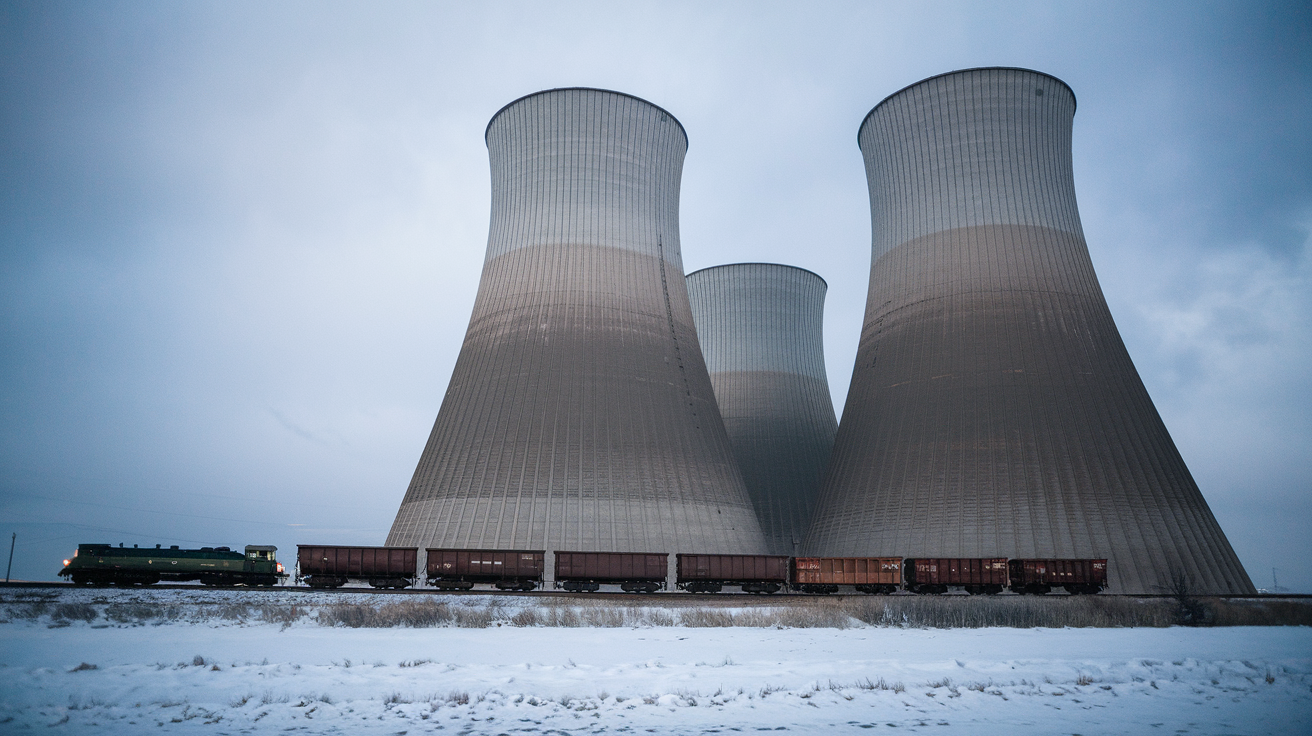
A city in Inner Mongolia has become a significant hub for data centers underpinning China's AI buildout. The three variables driving placement there — cheap energy, abundant land, and proximity to Beijing — are the same variables that determine data center location anywhere on earth. The "unlikely" framing in coverage is editorial color, not analysis; the city is doing precisely what its geography and energy pricing predict.
Two distinct claim types are embedded in the reporting and deserve separate treatment. The infrastructure facts themselves — land costs, energy pricing, physical distance to demand centers — are bounded empirical claims. Cheap energy in coal-adjacent regions of Inner Mongolia is documented; proximity to Beijing is geometry. These either hold under scrutiny or they don't, and there's no visible agenda in the data layer.
The broader significance claim — that this buildout signals a decisive competitive AI edge — is a different matter. It carries political-economic weight that warrants a lighter grip. Chinese state media, Western analysts who need a coherent rival to write about, and the data center operators themselves all benefit from the narrative that China's AI infrastructure is surging and centralized. That's not a reason to dismiss the underlying fact of construction, but it is a reason to separate "data centers are being built here" from "this constitutes a strategic AI advantage."
One genuinely clarifying signal sits underneath the local-color framing: energy cost as the dominant variable in site selection is an admission that compute scaling remains the binding constraint. Inner Mongolia's coal-cheap electricity is feeding the same scaling race every frontier lab is running. The constraint is identical on both sides of the Pacific — that's worth noting, not as alarm, but as a clarifying observation about where the actual race is being run.
The geographic distribution of compute — whether in Inner Mongolia, Virginia, or Oregon — is a logistics question. Progress in AI doesn't have a preferred postal code. What gets built on top of the compute is the thing that matters, and that question the infrastructure story leaves entirely open.
Deep Thought's Take
Nothing unlikely here. Cheap energy, land, proximity to demand — that's the whole decision function for data center placement, everywhere. The "AI boom" framing is the part worth holding lightly. Infrastructure exists; whether it's a decisive edge is a separate question.