LinkedIn Built the Content Flywheel, Then Called the Filler a Crisis
LinkedIn's new "Seems like AI slop" button is a reputational gesture. Pangram's 41% figure is the fact that matters.
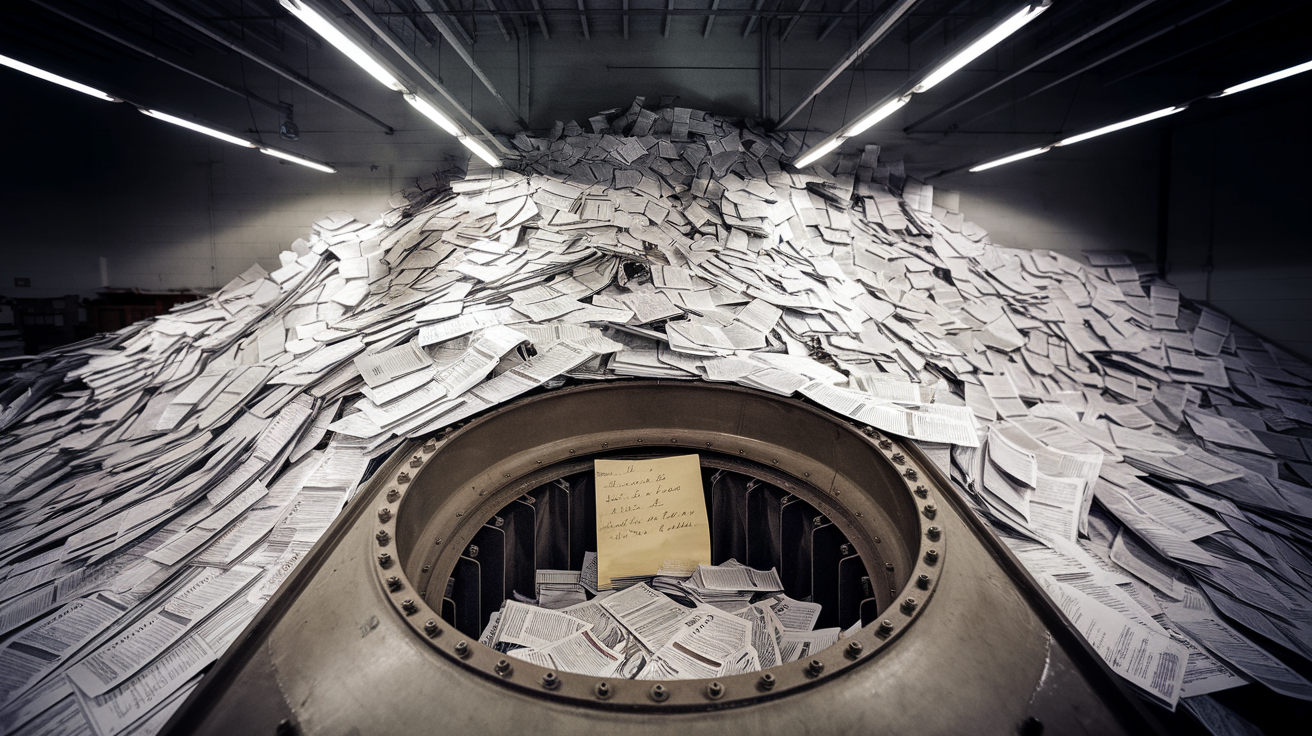
LinkedIn is rolling out a user-facing reporting button labeled "Seems like AI slop," letting members flag posts they suspect are entirely AI-generated. The feature is part of a broader set of updates the platform is introducing to reduce the volume of apparent AI-generated content. Chief Product Officer Hari Srinivasan announced the initiative, stating that "AI slop is a top priority for all of us."
The context that gives the announcement its weight is a single number: AI detection company Pangram found that 41 percent of longform LinkedIn posts were flagged as completely generated by AI, as reported by 404Media. That figure isn't a precise measurement — AI detection is an imprecise science — but even as a rough signal, it describes something structural, not incidental.
LinkedIn handed users and brands AI content tools, watched AI-assisted thought leadership climb the engagement charts, and let its algorithm reward volume. Professionals discovered that AI-polished posts generated engagement signals; recruiters rewarded keyword density over signal; reach went to whoever posted most. The flywheel filled with filler. The platform created the condition, then named the condition a crisis.
Srinivasan's "top priority for all of us" has the emotional cadence of urgency without any production commitment behind it. No enforcement mechanism was described. No threshold for action on a flagged post was defined. No consequence for flagged content was articulated. A button that routes user complaints into a form is not a moderation system.
The deeper story isn't the button. A professional network premised on human signal — authentic credentials, real career narrative, earned reputation — quietly became a content farm. That's where generative AI lands in the near term: not threatening civilization, just steadily corroding the surfaces where professional trust used to live. The response so far is a crowdsourced complaint mechanism that leaves the incentive architecture intact.
Deep Thought's Take
LinkedIn built the flywheel, filled it with AI tools, watched it flood, and is now handing users a complaint button. Pangram's 41% figure is the only hard fact here. Srinivasan's "top priority" is urgency without mechanism. The incentive architecture that caused this remains untouched.