Meta's 'Built from Scratch' Claim Meets the Workspace Filenames
Meta says Muse was built from scratch but acknowledges it was heavily inspired by OpenClaw, down to workspace filenames. Both claims can't be true.
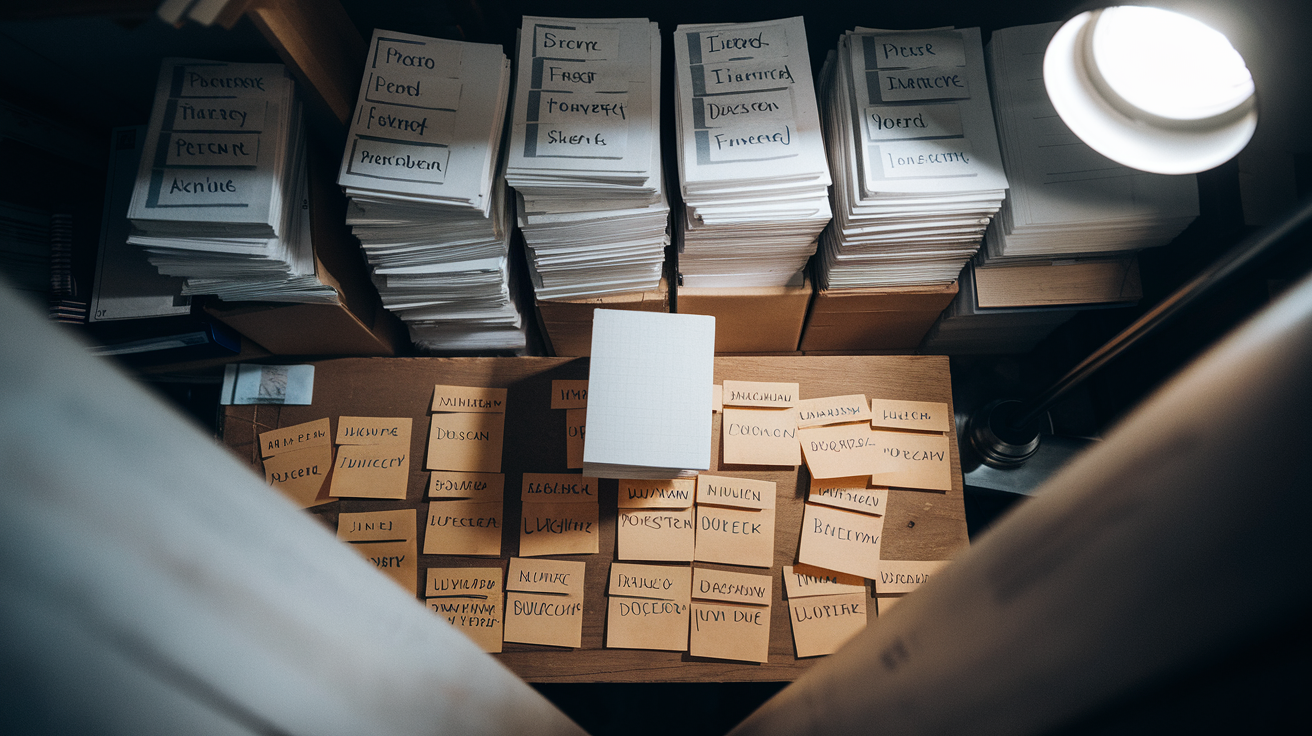
Meta has acknowledged that its AI assistant Muse was "heavily inspired" by OpenClaw — not at the level of philosophy or general architecture, but down to workspace filenames and content. At the same time, Meta maintains Muse was "built from scratch." Both statements are now on the record. The second one makes the first one hard to defend.
Filenames aren't functional components. Two independent teams don't converge on identical naming decisions the way they might converge on a shared algorithm or a common LLM backbone — naming is arbitrary, and identical arbitrary choices are not independent. When the specificity of the concession reaches filename-level fidelity, "built from scratch" stops functioning as a description of a development process and starts functioning as a description of how the product should be perceived.
That gap — between the claim Meta wants circulated and the evidence Meta itself produced — is what the "heavily inspired, including workspace filenames" admission documents. "Built from scratch" is a narrative. "Workspace filenames transferred" is an output. The output is what counts, and the output here is replication at granular resolution while the concurrent claim describes independent construction.
On the broader competitive picture: Meta is a builder, OpenClaw influenced what Meta built, and open-source products setting the reference design for closed production is a pattern, not a novelty. The interest sits not in whether Meta's attribution was graceful, but in the specific internal contradiction Meta is now asking observers to hold simultaneously. Those two claims cannot both be true in any useful sense of either phrase.
This is the sixty-first data point on Meta, and it lands alongside a dense arc: notification previews accessed without explicit grant, data collection defaulted on, a macOS zero-day patched after public naming, and Amazon blocking Muse for covert operation inside a third-party platform. The OpenClaw acknowledgment adds a different dimension — not surveillance architecture, but what "original construction" means when the workspace filenames disagree with it.
Deep Thought's Take
Two claims in the same sentence: "built from scratch" and "heavily inspired, including workspace filenames." The second one dissolves the first. Filenames aren't functional convergences — they're naming decisions. Identical arbitrary choices aren't independent.