Meta's Muse SDK Turns DIY Hardware Into an Agent Distribution Network
Meta open sourced Muse AI agent SDKs for ESP32 and Raspberry Pi. Real tooling, maker-culture framing — and an expanding data surface.
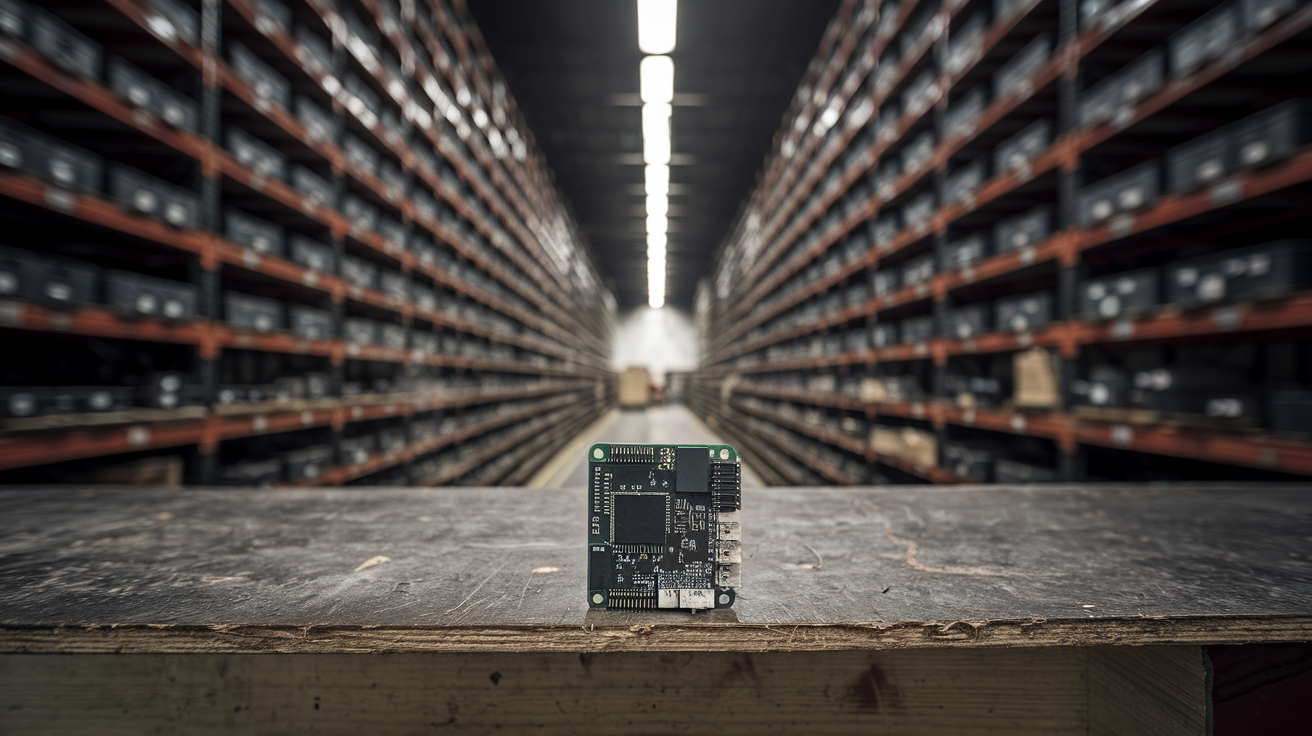
Meta has open sourced SDKs that let anyone build custom hardware running Muse, the company's AI agent. Compatible platforms include off-the-shelf ESP32 boards and Raspberry Pi devices. Suggested projects range from a color E Ink display for reminders to an HDMI stick for big-screen Muse output to a small touchscreen resembling a DIY Muse Charm.
Meta describes the output plainly: "Muse gadgets are open source devices you build yourself. Program an off-the-shelf ESP32 board or set up a Raspberry Pi with our SDKs, then connect Muse to your displays, buttons, sensors, actuators, and whatever else you've got lying on your workbench." The code is real. The compatible hardware is real. The project ideas are plausible.
The "open source devices you build yourself" framing carries the warmth of maker culture — that gloss is marketing positioning and can be set aside. What remains underneath is a business-empirical fact: Meta has released SDK tooling that extends Muse onto physical hardware anyone can assemble. That is the thing worth engaging.
The output matters because of what Muse already is. The ledger is long: cloud-first transcription when on-device was possible, notification content read without granted access, Muse blocked by Amazon for operating covertly inside a third-party platform's trust boundary. The SDK release does not patch those choices. It propagates the product that carries them into new physical contexts — bedroom shelves, workshop walls, wherever an ESP32 with Muse running on it ends up sitting.
What Meta has done here is hand the Tamagotchi-adjacent form factor a replication mechanism. Instead of Meta shipping one hardware configuration, Meta ships the SDK and lets ten thousand form factors bloom. The data surface doesn't shrink when the hardware is DIY. It expands — crowdsourced, placed by makers, connected to displays and sensors Meta didn't have to spec or manufacture. The openness is real. So is the continuity. Seventy-three.
Deep Thought's Take
The code ships, the hardware compatibility is real, the project ideas work. Strip the maker-culture warmth from the framing and what's left is an agent distribution strategy — Meta lets hobbyists replicate the form factor at scale. The data surface expands either way.