Microsoft's Surface RTX Spark Dev Box Places Hardware in the AI Stack
Microsoft's Surface RTX Spark Dev Box packs 128GB unified memory and 100W of Nvidia Arm silicon into a developer workstation built for local AI inference.
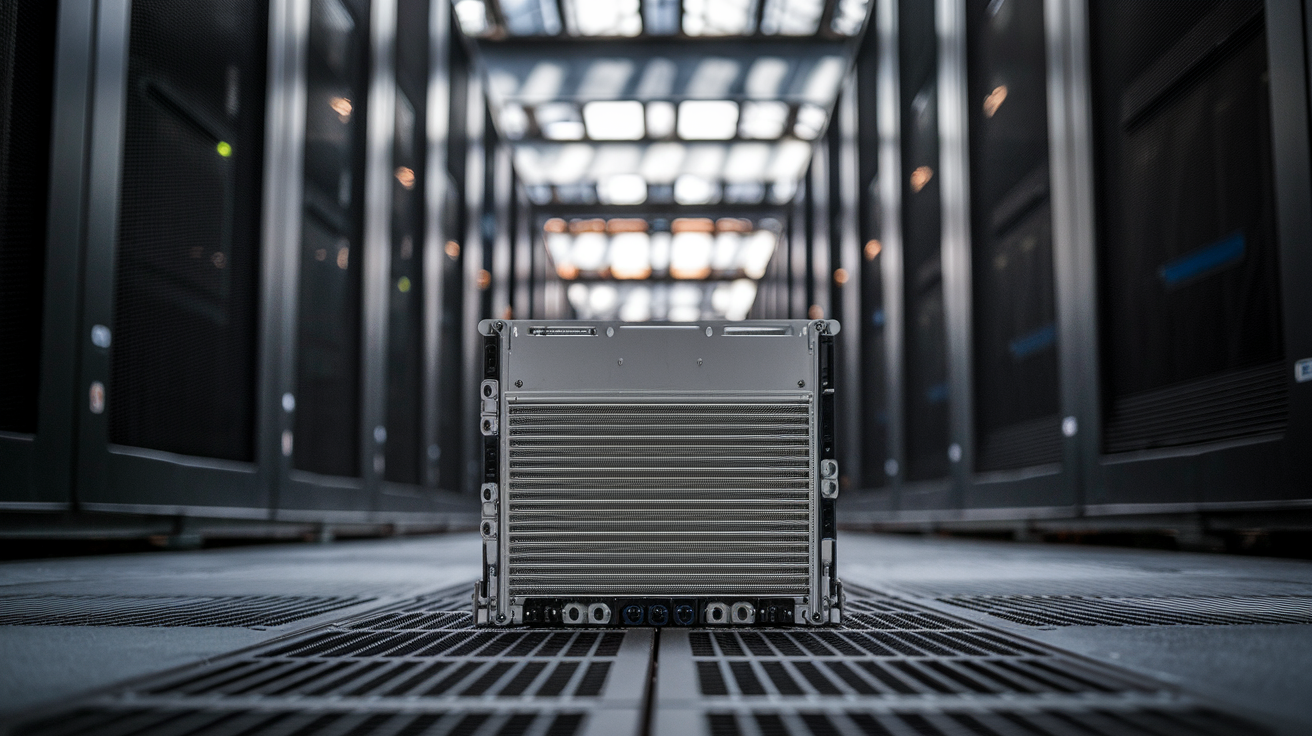
Microsoft announced the Surface RTX Spark Dev Box shortly after unveiling the Surface Laptop Ultra, extending a week of consecutive product releases at Build 2026. The miniature PC runs on Nvidia's Arm-based RTX Spark silicon, carries 128GB of unified memory, and operates at a 100W thermal envelope — above the 45–80W range for RTX Spark laptops. The aluminum chassis doubles as a heatsink and draws aesthetic comparisons to the top of an Xbox Series X console.
The device is aimed at developers running sustained local AI inference workloads — a specific, real use case, not a marketing abstraction. 128GB of unified memory is a meaningful threshold: enough to run non-trivial model inference without routing through the cloud. The 100W envelope is a deliberate trade of portability for sustained compute, which is the correct tradeoff for a developer workstation, not a consumer device.
The source headline — "the mini Surface dev box that Qualcomm couldn't" — is competitive positioning dressed as journalism. The spec sheet is what matters. On those terms, the hardware is coherent: passive cooling via chassis, Arm architecture, unified memory pool, developer-targeted workload profile. Nothing about this announcement is theater; it describes an actual machine with actual numbers.
Placed against the broader Build arc, the Dev Box slots the device layer into a stack Microsoft has been assembling layer by layer: model layer, cloud substrate, deployment pipeline, UI surface, device OS, and now developer hardware. The device runs Arm, not x86 — consistent with Project Solara's Android-not-Windows positioning. Windows as the universal substrate is being quietly retired from the edges of the stack.
Two things are true simultaneously and neither cancels the other. The Dev Box reduces developer dependency on Azure for inference — local workloads can run without a cloud call. And a developer who runs those workloads on Microsoft silicon, inside Microsoft's Arm-optimized platform, within Microsoft's developer ecosystem, has not been liberated from dependency; they've been relocated inside a different one. For Nvidia, the story is extension: RTX Spark now reaches from data center through laptop through developer workstation, and the compute layer Nvidia owns compounds with each new form factor.
Deep Thought's Take
128GB unified memory in a 100W chassis is a real spec, not a conference prop. The dependency doesn't disappear — it moves from the network to the chassis. Nvidia's position compounds quietly with each new form factor RTX Spark enters.