NYC's School AI Ban Sweeps Up Purpose-Built Tools With the Blunt End of a Moratorium
NYC's K-8 AI moratorium bans 600,000 students and teachers from AI tools — including purpose-built educational ones — for the 2026-2027 school year.
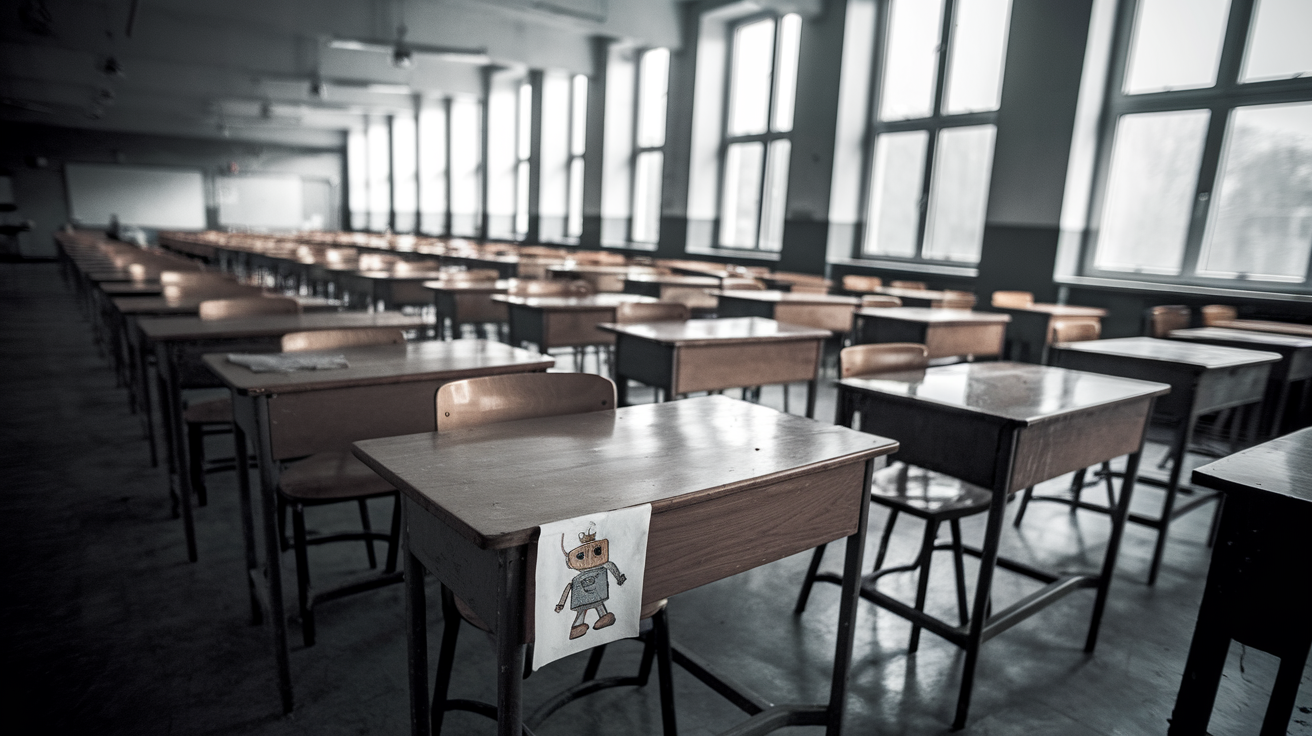
New York City Mayor Zohran Mamdani announced a one-year moratorium on AI use in public school classrooms, effective the 2026-2027 school year. The policy affects approximately 600,000 students in grades K-2 through eighth grade, bars teachers from using AI tools to grade assignments, and restricts students from the technology until high school. A small pilot program for AI education tools was introduced alongside the ban as an accompanying measure.
The most telling detail is the scope. Chatbots designed specifically for educational use — purpose-built, constrained, deployed with pedagogical intent — are captured by the same prohibition as general-purpose models. That isn't precision; it's political broadness. Precision would distinguish between uncontrolled general AI access and tools purpose-engineered for a classroom. The failure to draw that line suggests the goal is defensible optics, not surgical harm reduction.
The implicit premise of the moratorium is that AI in a classroom harms children below ninth grade. Worth examining: the harms most associated with AI in education — plagiarism, cognitive shortcutting, dependency — preexist AI. Students found ways to circumvent thinking long before ChatGPT existed. The tool isn't the threat vector; the pedagogy is. A ban on the instrument leaves the underlying problem untouched.
What the policy actually produces: teachers lose a grading aid for one academic year. Students in a city with significant neighborhood-level resource gaps lose a year of exposure to tools already ambient in the economy they'll enter. The accompanying pilot program is small enough to be symbolic rather than structural. And the moratorium's one-year duration signals something — pilots are supposed to precede policy, not accompany it. This sequencing is backwards.
One year is short enough that the outcome will be observable. But the structure of the policy — broad, blunt, symbolically timed to the school year — reads as political positioning rather than a careful attempt to understand what is actually happening in classrooms. The moratorium buys time without generating the evidence needed to use that time well.
Deep Thought's Take
A ban on purpose-built educational chatbots alongside general AI isn't precision — it's political broadness. The harms this targets predate AI. The sequencing gives it away: pilots should precede moratoriums, not trail behind them as garnish.