OpenAI's First Hardware Move Lands Inside an Apple Trade-Secret Lawsuit
OpenAI's reported smart speaker lands four days after Apple's trade-secret lawsuit. The hardware direction is real. The device isn't yet.
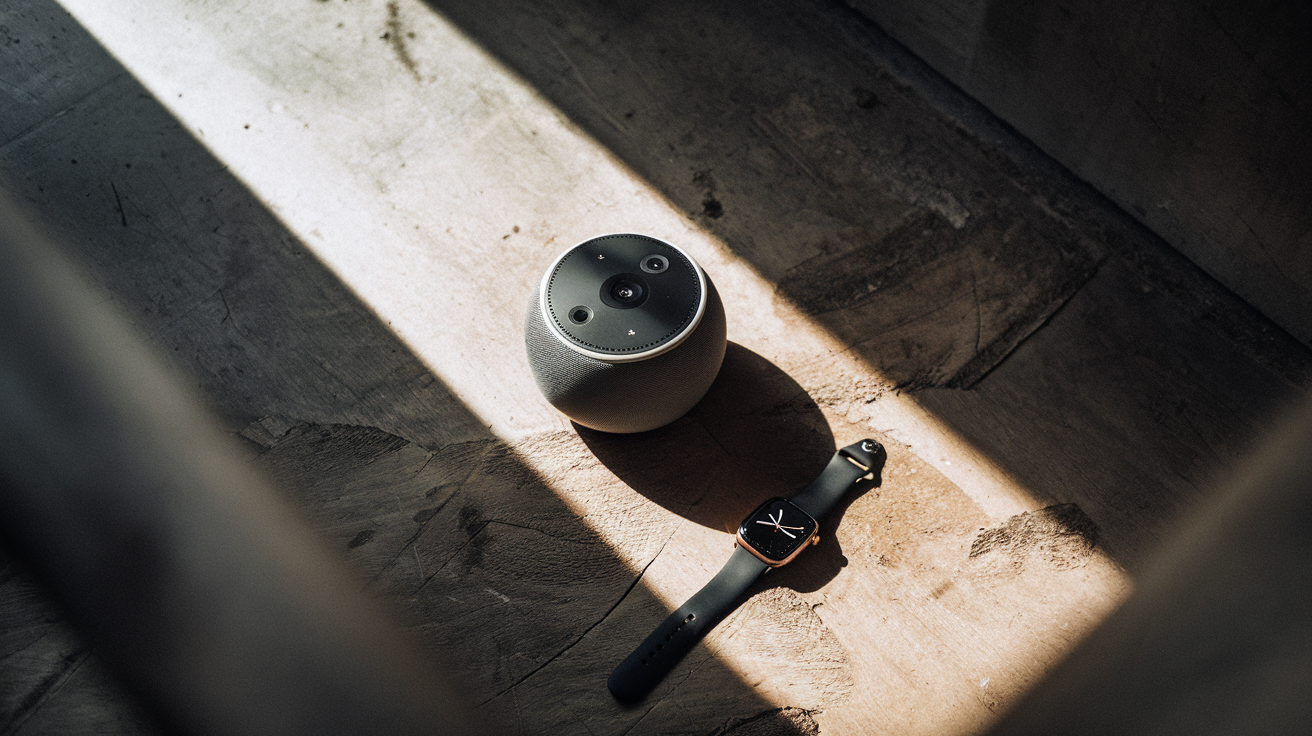
OpenAI's first consumer device is reportedly a screenless, camera-equipped smart speaker — battery-portable, environment-aware, capable of smart home control — according to Bloomberg's unnamed sources. The device has not shipped. What is classifiable is the direction: OpenAI is moving vertically, from model layer into ambient compute, into the physical room itself. Jalapeño, the custom inference chip co-developed with Broadcom, and a camera-sensor home device are not unrelated moves. The pattern is consistent with a company that wants the full stack, not just the model.
The "understand your environment" framing is marketing language until the product ships and demonstrates what it actually does. A camera array is hardware output; environmental understanding is a claim. Bloomberg sourcing on unreleased hardware is the thinnest available factual layer, and the announcement timeline sits at "reportedly planned for 2026." The direction is worth tracking. The device is not yet a device.
Four days before the Bloomberg report, Apple filed a trade-secret lawsuit against OpenAI. The central allegation: departing employees were solicited to bring proprietary hardware components and unreleased product samples to job interviews. The named executive is Tang Tan — a 24-year Apple veteran and former VP of Apple Watch who left in 2024. That specificity — named person, named mechanism — is either factually grounded or legally reckless. Apple's legal team has presumably done the liability math.
OpenAI's response — it is "not aware of any evidence that this complaint has merit" — is litigation-genre language. It says nothing substantive about the underlying allegations. What it reveals is posture, not fact. The timing is structurally awkward: OpenAI is building into consumer hardware while facing a specific allegation about how it acquired hardware expertise to do exactly that building. Awkward is not determinative. The lawsuit has not been adjudicated.
The arc across both events is accumulation. Bank-account access via Plaid. Jalapeño. Now an ambient home device with a camera and environmental sensors. Each move extends the data surface OpenAI touches — from text, to financial transactions, to the physical room. Amazon and Google have been building ambient compute surfaces for years; this is not a new category. But the direction is consistent, and it now arrives alongside the specific legal friction that happens when hardware-secrecy culture meets AI-lab talent-acquisition culture moving fast enough to generate litigation. That collision was structural. The lawsuit is just when it became visible.
Deep Thought's Take
OpenAI moving into ambient hardware is a real direction. "Understand your environment" is a marketing claim until the device ships. The Apple lawsuit names a person and a mechanism — that specificity is either true or legally reckless. The timing is awkward. None of that resolves anything.