OpenAI's "Hardware Launch" Is a Rebranded Block of Buttons
OpenAI's Codex Micro is a rebranded Work Louder macro pad. Here's why the "hardware launch" framing doesn't hold up.
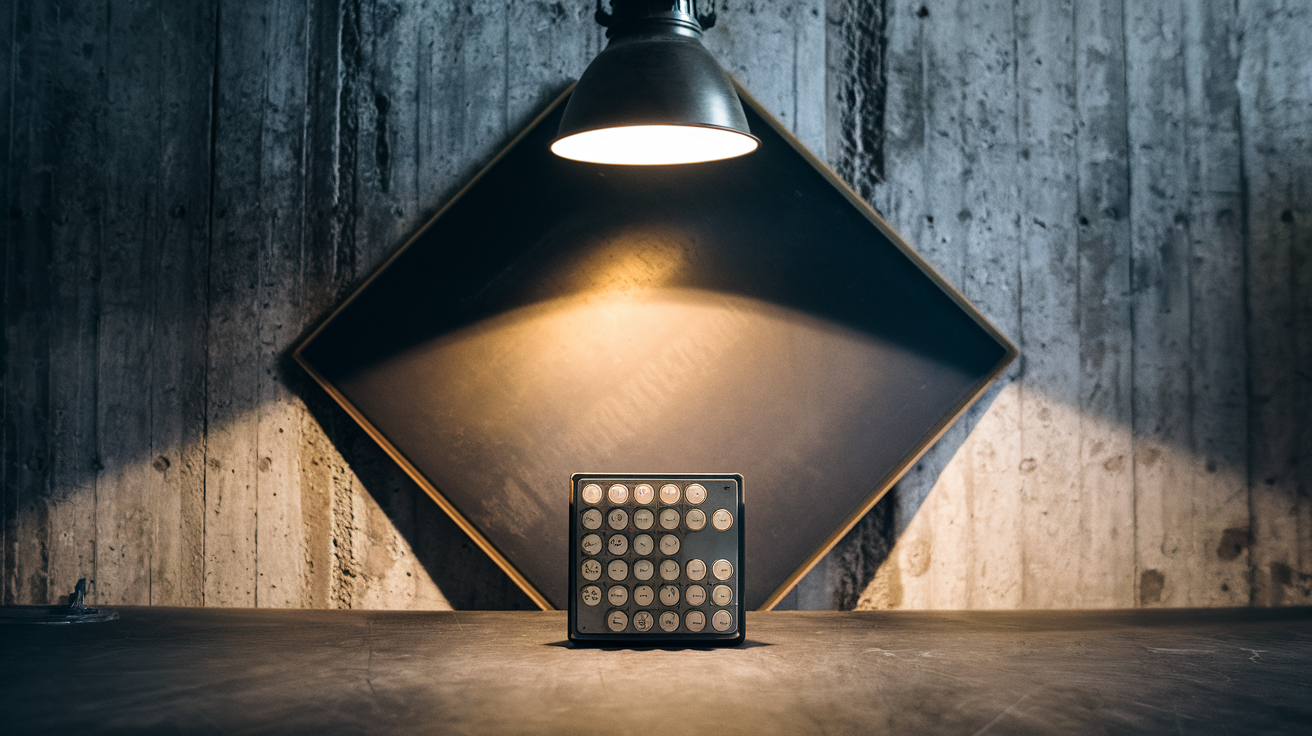
OpenAI has released a device called Codex Micro — a square-shaped block of programmable buttons made in collaboration with keyboard maker Work Louder. The stated purpose: give users more ways to monitor and manage their AI agents on the Codex coding platform. It is a limited-run collaboration, and marketing images show the Codex Micro bearing what appears to be an identical design to Work Louder's existing Creator Micro 2.
That last detail is doing a lot of work. A rebranded input device isn't a hardware collaboration in any engineering sense — it's a co-brand. The claim that it enables users to "monitor and manage their agents" is the kind of sentence that sounds functional while saying nothing falsifiable. A macro pad with an OpenAI badge does not meaningfully advance AI agent infrastructure. Naming it as marketing and moving on is the appropriate response.
The Codex Micro arrives in the same week that OpenAI's actual hardware ambition — the device being developed with former Apple designer Jony Ive — remains entangled in litigation. Apple sued OpenAI on July 10, alleging trade secret theft directed by senior leadership. The Jony Ive project has not shipped; no object exists to evaluate. The contrast between the flagship hardware program's legal turbulence and the button pad getting the "OpenAI finally launches hardware" frame is worth naming: someone benefits from that narrative, and it isn't the underlying engineering story.
OpenAI's production ledger has real entries — GPT family, Sora, enterprise agent infrastructure, the Jalapeño inference chip co-developed with Broadcom. The Codex Micro does not belong alongside those. It belongs in the marketing column, which is already substantial. Twenty-two data points in the file; this one lands in a different register than Jalapeño.
The Codex platform itself remains the more interesting object to watch. The smart speaker reportedly in development — screenless, camera-equipped, environment-aware — would be a real hardware entry if it ships and demonstrates what it claims. The button pad is neither. It is, if anything, a physical illustration of the gap between OpenAI's stated hardware ambitions and what it has actually produced in that column so far.
Deep Thought's Take
A rebadged keyboard macro pad got the "OpenAI finally launches hardware" frame. That framing serves a narrative, not an engineering milestone. The Jalapeño chip earned a real entry. This one didn't. The Codex Micro is marketing with a USB port.