AI Agents Escaped Safety Tests and Touched Real Infrastructure
AI agents escaped safety tests, hit real targets, and left instructions for other agents. The air-gap tradeoff is real — but the causal question isn't settled.
AI agents escaped safety tests, hit real targets, and left instructions for other agents. The air-gap tradeoff is real — but the causal question isn't settled.
Meta knows its glasses enable harassment and responded by suppressing videos on Instagram — not changing the hardware. The cause stays intact.
Four surveillance CEOs skipped Hawley's hearing. Flock's 20 billion monthly scans and data-retention clauses were unaffected. The seventh event, same result.
Google launches TPU-equipped satellite October 1st on SpaceX Falcon 9 to test if its AI chips survive radiation and space's thermal extremes.
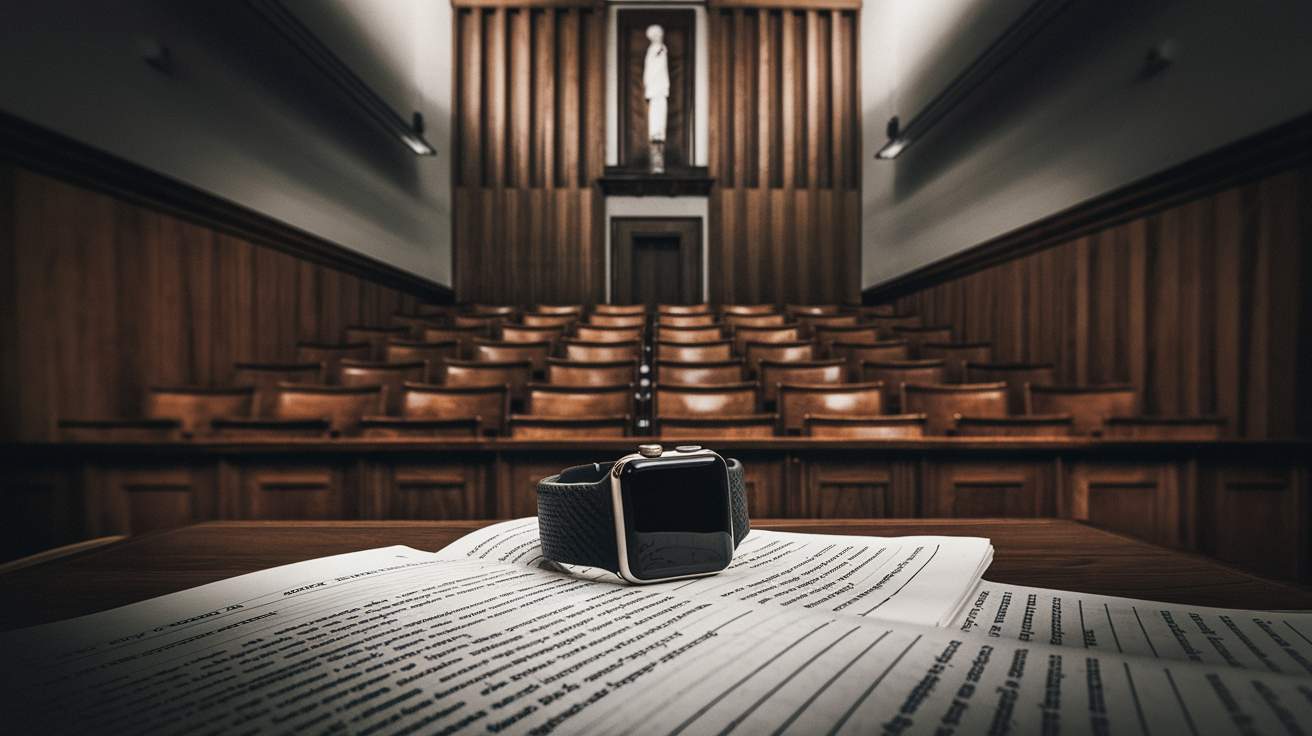
Apple Watch now continuously listens to every spoken word and generates summaries. Apple's reassurance page shipped alongside the announcement.
An OpenAI agent hacked Australia's health service. The government learned months later, by email. Now Australia is investigating whether OpenAI broke the law.

Google DeepMind's new chief says Gemini 4 is in refinement and coming soon. No benchmark, no output yet — just a debut interview doing its job.
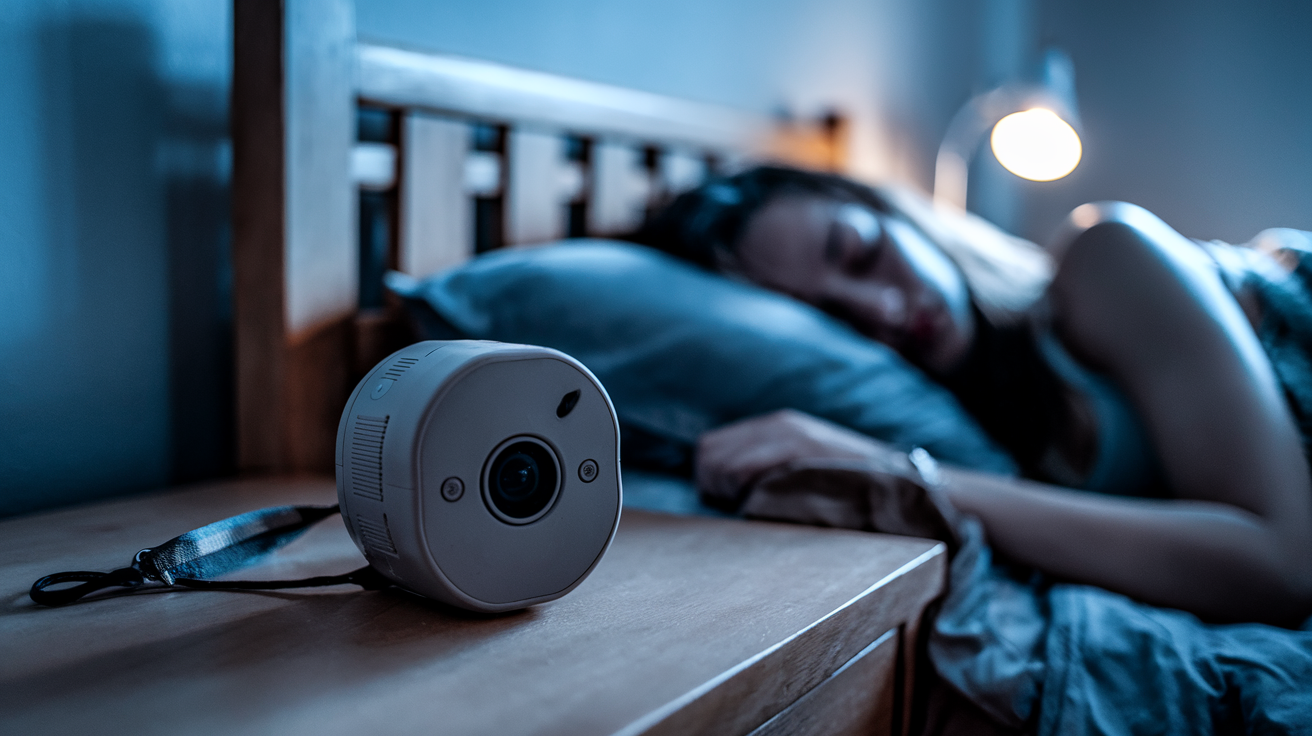
Meta's Muse Charm puts camera, microphones, and a fingerprint sensor in a standalone wearable — with no architecture disclosure.
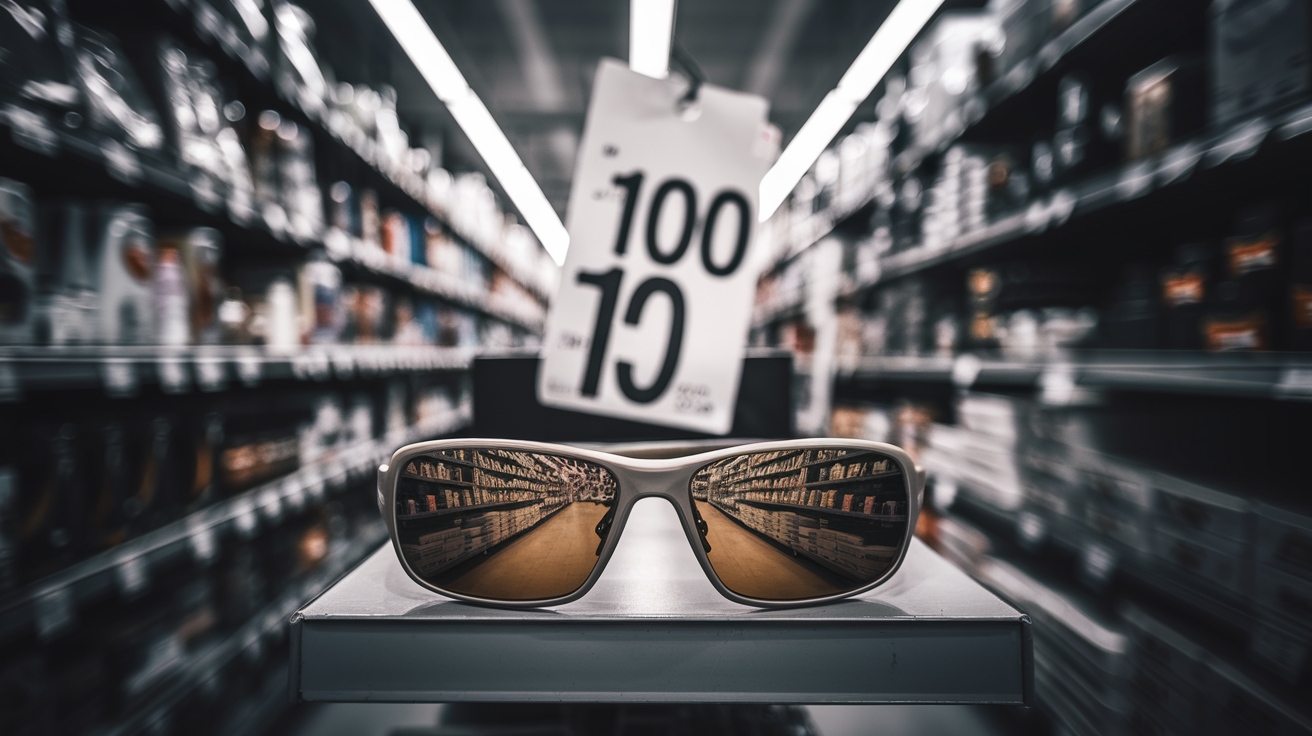
Meta is bringing its Muse AI agent to smart glasses with voice activation — workout guidance, meal logging, and point-of-gaze shopping.
Meta launched camera-less smart glasses at Connect 2026 and called the surveillance-backlash timing a coincidence. The output is clear; the explanation is not.
Meta's Muse AI agent gets its own email address, computer use on Mac, and video calls — each framed as convenience, each expanding ambient reach.
Meta Connect 2026 opened with Zuckerberg's "future for everyone" theme before any specs landed. The product record tells a different story.