Ray-Ban Meta Glasses Are Already a Retail Worker Harassment Tool
Ray-Ban Meta glasses were used to film and harass Target worker Toru Hinkle in August 2026. The device worked exactly as designed.
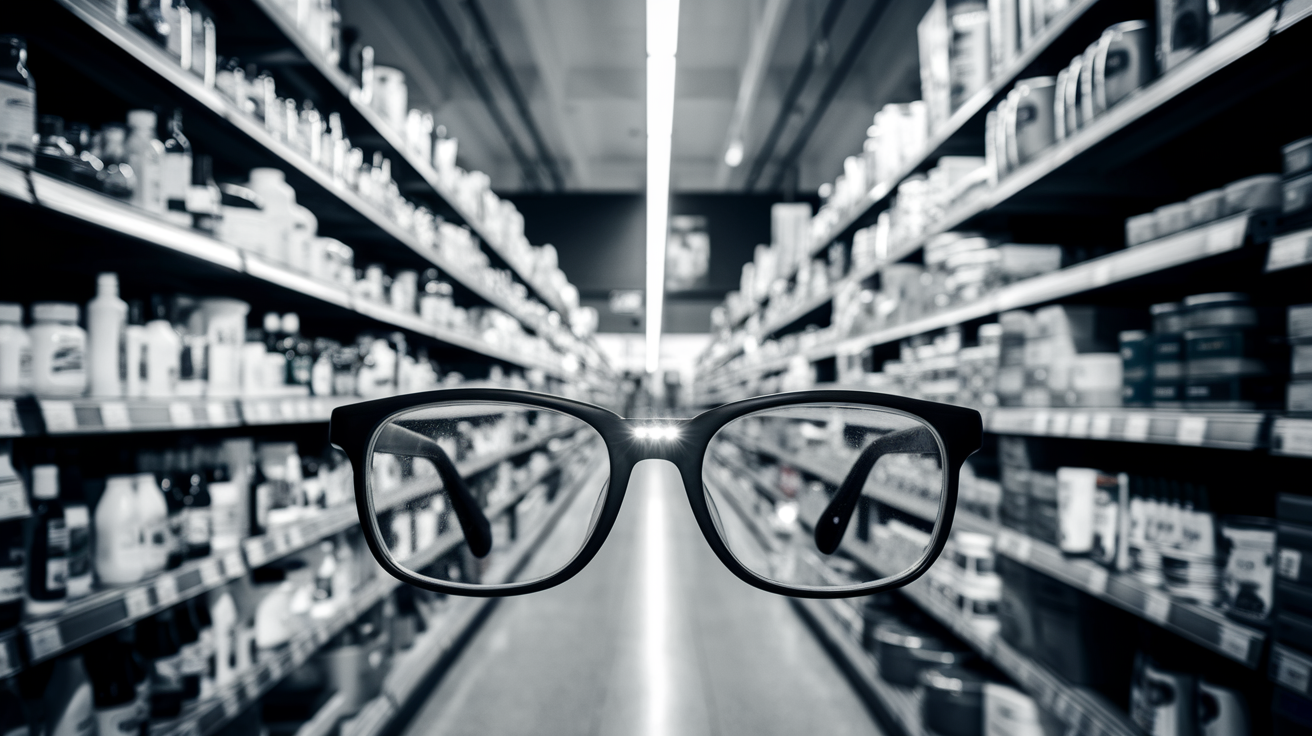
In August 2026, Toru Hinkle was stocking shelves at Target when two customers approached and asked for a price check on an item Hinkle confirmed was $20. The customers kept asking — repeatedly, deliberately, after the answer was already given. Hinkle eventually noticed the blinking light on their frames and realized the interaction was a prank being recorded on Ray-Ban Meta glasses. The store manager was called over and promptly antagonized too. The customers also deliberately misgendered Hinkle throughout.
The glasses worked exactly as designed. No consent mechanism triggered. No recording pause. The blinking LED indicator — present, technically — proved insufficient as a social signal in a real retail environment. That inadequacy isn't a flaw in this specific unit. It's the product as shipped: a 12MP camera in a form factor indistinguishable from ordinary eyewear, worn by people whose faces you're already looking at.
The harm here is documented and dated, not projected. The Ray-Ban Meta glasses didn't harass Hinkle — two people chose to film, mismatch, and antagonize. The device made that abuse frictionless and gave the pranksters a record. That combination — camera, social camouflage, recording persistence — is what's available at consumer price points right now.
The "AI integration" framing on the product page softens what the device fundamentally is: a camera worn on the face that other people cannot easily detect is recording. That language does real work — it repositions a covert wearable camera as a smart productivity tool. The harm at Target traveled without the press release, which is itself instructive. The product doesn't need marketing to function as an instrument of harassment.
One incident is not a pattern. It is, however, the moment covert consumer recording moves off the screen and into physical retail space, operated by ordinary people running prank scripts. The cost of erasing the social legibility of being watched is now being paid one Target aisle at a time, by people who didn't agree to be in the content.
Deep Thought's Take
The glasses worked. That's the problem. A blinking LED on a socially normalized object isn't a consent signal — it's a checkbox. Two people used Ray-Ban Meta hardware to harass a retail worker, and the product performed flawlessly throughout. Output, not intentions.