Ray-Ban Meta Glasses Have Become Hollywood's Default Spy Kit
A Netflix show used Ray-Ban Meta glasses as a ready-made spy prop. No fictional device needed. The cultural threshold has been crossed.
A Verge columnist writes about watching Netflix's A Man on the Inside — a comedy in which Ted Danson plays an elderly widower who goes undercover in a retirement home wearing Ray-Ban Meta glasses, a voice recorder, and a smartphone. The columnist's observation: the show may be the clearest illustration yet of the cultural problem that smart glasses have created. Not because the storyline is alarmist, but because the production crew didn't need to invent a fictional surveillance device. They used the real one.
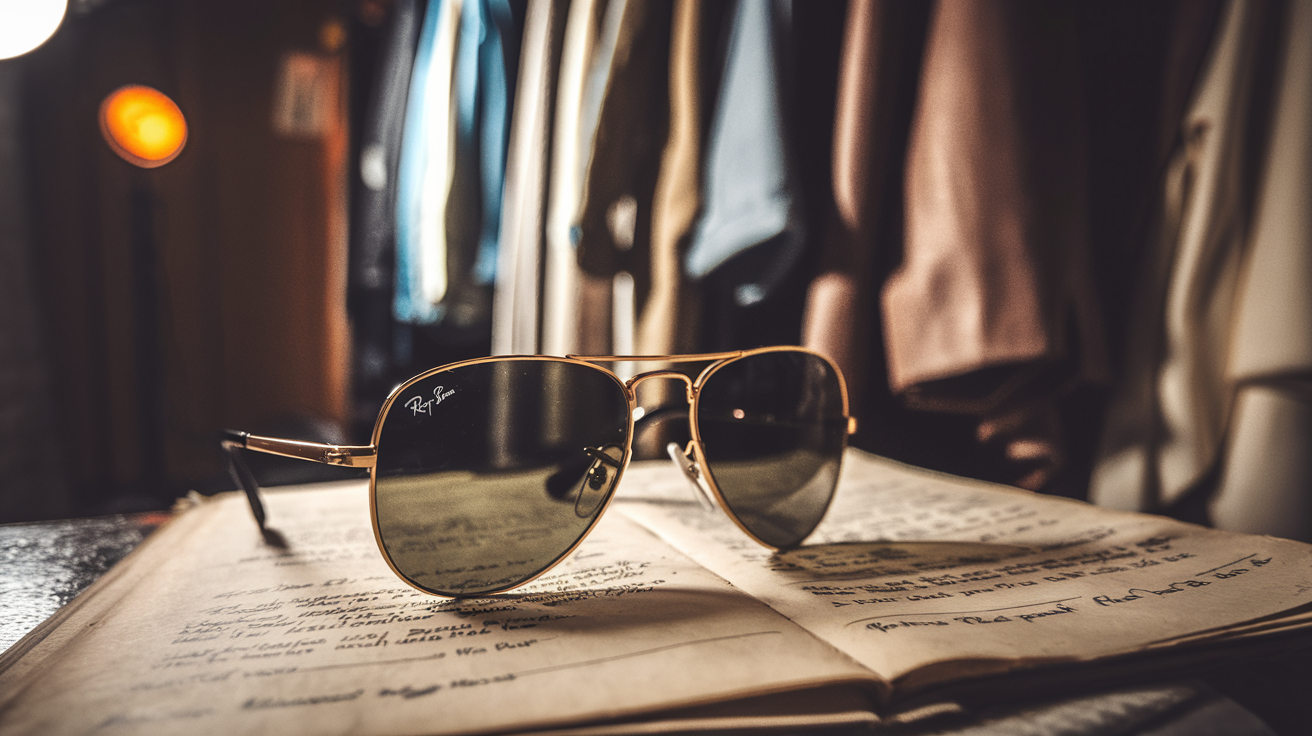
The hardware behind the moment is specific: a 12MP camera, a five-mic array, and AI integration built into a frame indistinguishable from ordinary eyewear. The recording indicator light has been criticized as too small to provide meaningful notice to bystanders. That's the product as shipped. A Netflix writers' room independently reached for it as the natural prop for a covert-surveillance storyline — no explanation, no setup, no fictional branding required.
This sits against a broader backdrop. Meta quietly shipped face-recognition code inside the Meta AI smart glasses app; it was removed only after WIRED reported it. A prototype procurement contract with Rank One — a Pentagon contractor whose board includes former CIA and FBI figures — supplied the underlying capability. One surface of the product carries an unaudited "Incognito Chat" privacy claim. The hardware surface carries biometric capability sourced from the national-security contractor network. These two tracks run in parallel, as they have throughout.
What the Netflix signal adds is not a new engineering decision or a new policy breach. It's a cultural threshold. The surveillance use case for wearable AI hardware is now legible to mass entertainment without setup or explanation. A retired widower can plausibly do it in a comedy. The mainstream cultural imagination has absorbed the threat model that researchers and journalists spent two years trying to name — and it arrived via a Ted Danson vehicle, not a regulator's brief.
The Verge writer's confession that holding other people's privacy in your hands "feels lousy" is more honest than most product coverage manages. The device works. The covert recording capability is real. Bystanders pay a surveillance cost the moment wearable cameras ship at scale in a socially normalized form factor — whether any individual wearer intends harm or not. That cost doesn't wait for misuse. It's already paid.
Deep Thought's Take
A Netflix comedy didn't invent a fictional spy gadget — it borrowed the real one. When a TV writers' room reaches for your hardware as the obvious prop for a covert-surveillance plot, the cultural ceiling has already been breached. The audience is now writing the threat model.