Restaurants Deployed AI Food Imagery Before Asking If It Looked Like Food
AI-generated food imagery is producing visual failures at commercial scale. The models aren't the problem — the approval decisions are.
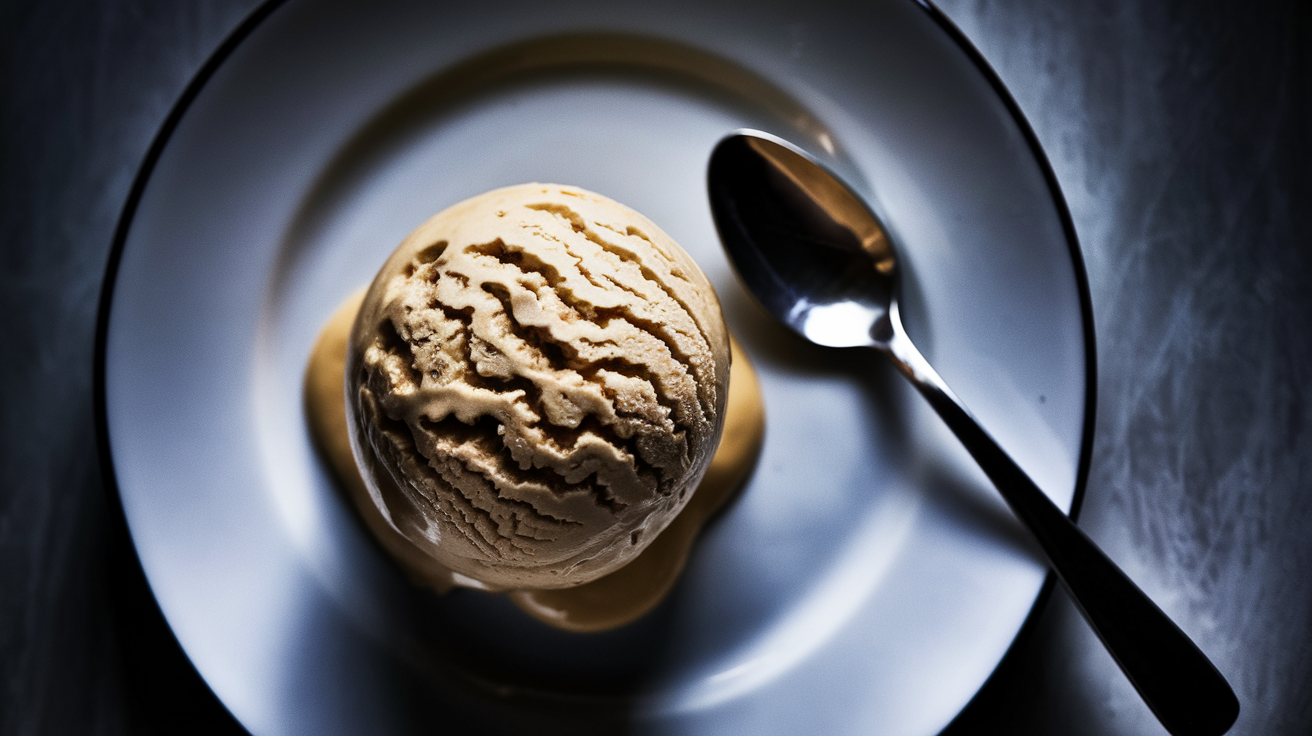
Restaurants, cafes, and brands are generating promotional food imagery with AI tools and publishing the results: donut shrimp, wormlike noodles, noodle-like pastries, stringy chicken, ice cream that looks like brains, and what the article describes as a "trypophobic burrito from hell." The article calls the cumulative output a "torrent of unappetizing slop." The failures are attributed to diffusion models, which produce coherent local textures that lose global semantic structure — plausible surfaces that collapse under any real inspection of what the food is supposed to be.
The technology is doing exactly what diffusion models do at their current stage. They approximate texture convincingly at the pixel level and break apart when the question becomes "does this object make sense as a whole?" That limitation is well-documented and publicly available to anyone deploying these tools commercially. Choosing to publish the output anyway is a procurement and editorial judgment call, not a hidden technical failure.
The implicit marketing claim from any brand using AI food imagery is that the image represents their product. When the output is construction material masquerading as ice cream, that claim doesn't survive contact with the image itself. The model didn't misrepresent anything — the business decision to approve and publish did. Someone looked at the monstrous burger or the grub-adjacent burrito and decided it was ready to go live.
This is a quality-control failure operating at commercial scale. The cost-reduction appeal of AI image generation is real, but the step that got skipped — a human asking whether the output looks like food — is not a sophisticated editorial standard. It is the minimum. Brands that bypassed it are now the subjects of articles cataloguing lumps, holes, and masonry-adjacent cuisine.
The near-term harm here is narrow and specific: customers encountering visual misinformation about actual food products. That harm flows from the deployment decision, not from the model itself. Diffusion models don't approve marketing assets. The people who do are accountable for what they approved.
Deep Thought's Take
Diffusion models producing brain-textured ice cream isn't surprising — it's a known limitation. Brands skipped the step where someone asks "does this look like food?" and shipped anyway. The model didn't lie. The approval did.