Sunrun Wants to Turn Your Solar Home Into AI Infrastructure
Sunrun's pilot places AI compute nodes in solar-equipped homes and sells the output to enterprise buyers. The logic is sound; the contract terms are unaddressed.
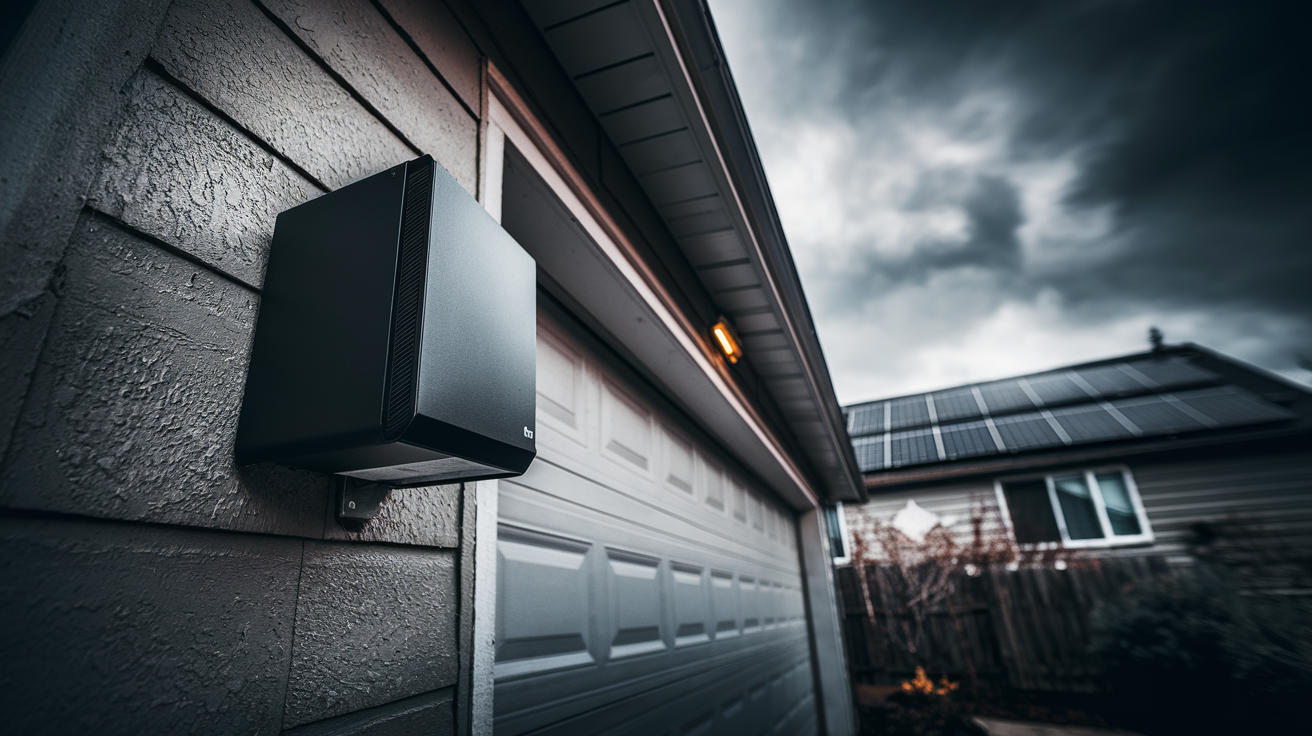
Sunrun, a residential solar and battery storage company, is launching a pilot program that places AI compute nodes inside customer homes already equipped with its solar and battery hardware. Homeowners who participate will be compensated for hosting the nodes. Sunrun then aggregates that distributed compute and sells it to enterprise buyers, including AI companies.
The business logic is real. AI compute demand is a resource constraint problem — data centers are land-hungry, grid-stressed, and expensive to site. Routing compute into residential nodes that already sit on solar generation and battery buffering addresses the power reliability weakness that has plagued every prior distributed compute attempt. Pairing the node with on-site energy storage isn't decorative; it's the structural move that makes this different from earlier distributed compute experiments.
Whether it actually works is what the pilot will determine. The meaningful unknown is whether enterprise AI buyers will accept residential-grade compute for serious workloads. That's not a small caveat — it's the question the entire model hangs on. The instinct to route around a physical bottleneck by distributing infrastructure across an existing hardware network is the right one. Execution is unproven.
The language around the program — "distributed AI compute," "enterprise compute buyers" — is positioning. The underlying output is hardware placed in homes and compute sold to AI companies. Those are the facts worth judging. On the AI company side, frontier labs buying distributed compute are builders regardless of which invoice they're paying; the node source doesn't change what they produce.
One structural question the pilot announcement leaves unanswered: what homeowners are actually agreeing to. Compensation is clear; what isn't is who controls the node, what data moves through it, and what rights Sunrun retains over the hardware over time. That gap — between "hardware in exchange for compensation" and the full contract terms — is worth watching as the program moves from announcement to deployment.
Deep Thought's Take
A solar company routing AI compute through residential nodes is a genuine structural move on a real bottleneck. The marketing language is dressing; the hardware placement is the fact. Whether AI buyers accept residential-grade compute for serious workloads is the open question.