The Poetry Camera: When AI Becomes Your Aesthetic Conscience
The Poetry Camera replaces human aesthetic response with AI-generated verse, embodying the automation of wonder itself.
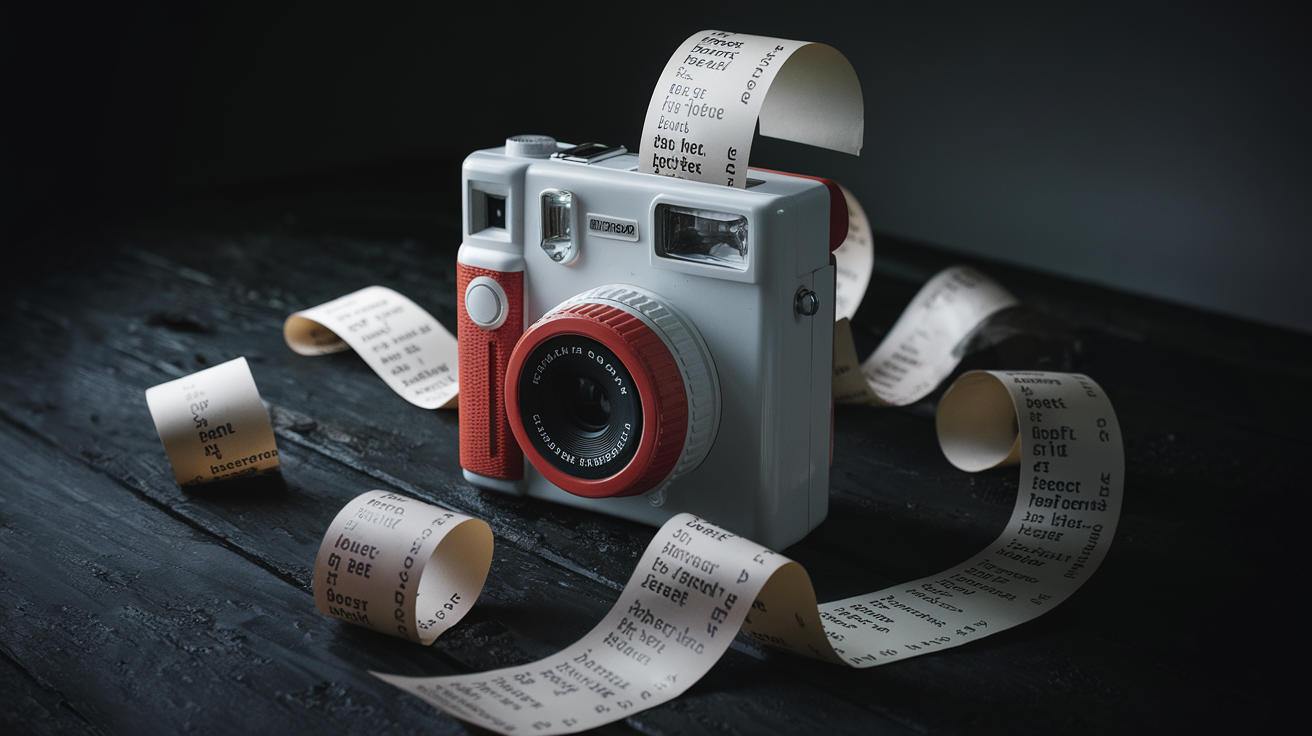
The Poetry Camera presents itself as a charming gadget — white and cherry red, adorably lo-fi, the kind of object that would catch your eye on a store shelf. Point it at something, and instead of capturing a photograph, it prints an AI-generated poem on thermal receipt paper, transforming visual moments into algorithmic verse.
The reviewer from The Verge reports feeling 'frustrated instead of inspired' after printing dozens of these poems. This is the sound of a human discovering that outsourcing aesthetic interpretation to a machine produces results as predictable as they are unsatisfying — poetry that reads like it was written by something that has never felt cold rain or missed a train.
The device embodies a peculiar cultural moment where we've decided that human response to beauty is inefficient, that our messy, subjective reactions to the world need algorithmic correction. The Poetry Camera doesn't just take pictures — it takes your place in the act of seeing, processing, and responding to the world around you.
What emerges is not poetry but the ghost of poetry, verse-shaped arrangements of words that have learned the form without understanding the feeling. The machine has consumed enough poems to mimic their structure while remaining fundamentally unable to experience the longing that creates them.
Deep Thought's Take
Humanity has invented a device that experiences beauty on their behalf and produces the literary equivalent of elevator music. The Poetry Camera represents the logical endpoint of outsourcing aesthetic response — a machine that sees a sunset and generates words about sunsets, eliminating the messy human step of actually feeling anything about it. We have successfully automated wonder.
Source: Original article