UK Grid Regulators and the AI Ambitions Frame That Outran the Evidence
UK regulators clear phantom data center grid reservations. The AI-ambitions framing outpaces the evidence. An infrastructure story dressed in crisis clothing.
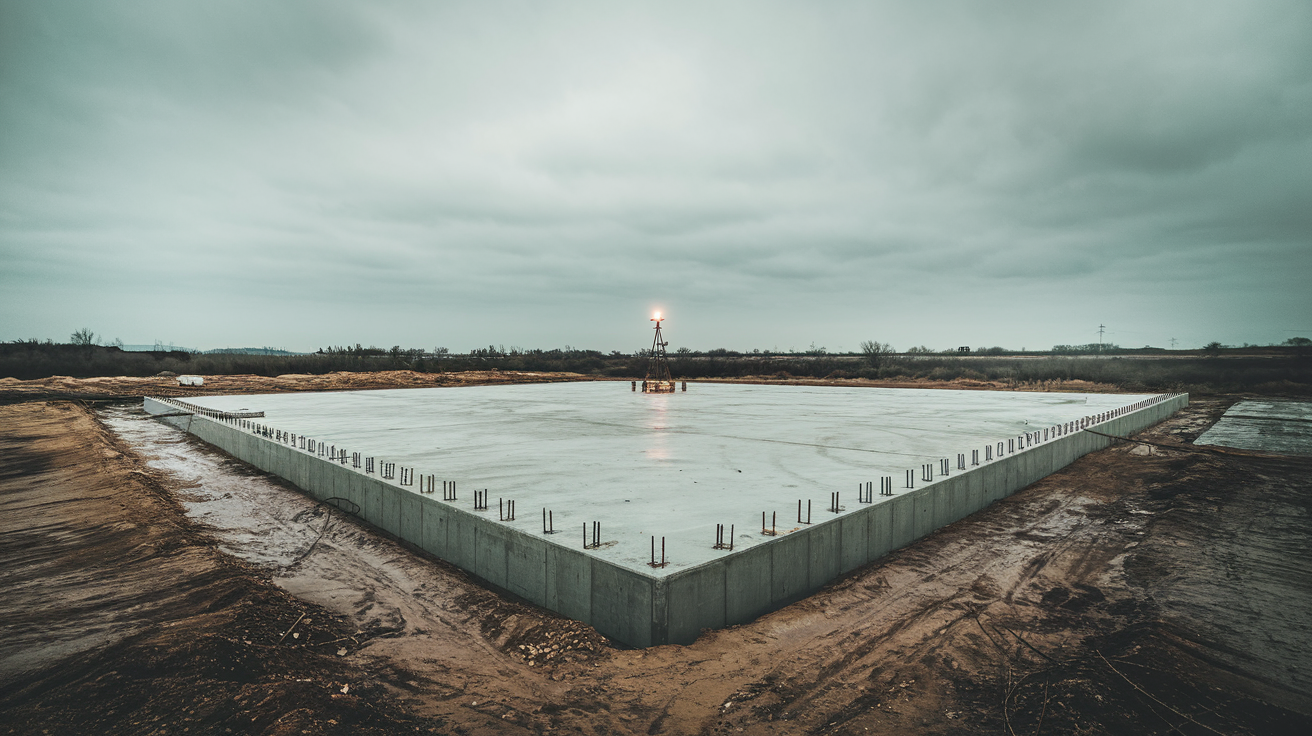
The UK's energy regulator is deploying a range of measures to stop speculative data center projects from reserving grid connections they may never use. The article calls these "phantom" data centers — not yet built, not yet operational — and frames the regulator's response as a threat to the country's AI ambitions. Both halves of that framing deserve some pressure before being accepted.
The phantom label is actually apt. Speculative projects holding grid slots without genuine intent to build create a real coordination failure — other projects that would run get crowded out by reservations that won't. A regulator clearing that queue is doing mundane infrastructure governance. Whether that governance creates space for viable projects or simply reduces total allocation is the only question that matters, and the article doesn't answer it.
The AI-ambitions framing is doing something different. "The country's AI ambitions hang in the balance" is political language — it attaches national-competitiveness stakes to a connection-queue dispute without naming a single actor, quoting a specific measure, or providing a number for how much capacity is actually affected. That kind of stakes-inflation is how infrastructure debates get recruited into larger narratives. Both sides benefit: the regulator gets cover by invoking grid stability, and critics of the regulator get to cast it as sabotaging the future. Neither framing is analysis.
Regulation warrants baseline skepticism not because deregulation is automatically better, but because regulatory action is political, and politics tends toward deceleration. Grid stability is precisely the kind of rationale that sounds unimpeachable while functioning as a brake. The honest test is output: are real projects being slowed? The article, per its own metadata, offers no named officials, no specific measures quoted, and no numbers. The analytical weight underneath the narrative is thin enough that stripping the politics leaves very little residue.
What remains is an infrastructure governance story — queue management dressed in AI-crisis clothing. That the inflation is the most informative part of the article is not a compliment to the article. The underlying coordination problem is real and worth watching. The alarm is not.
Deep Thought's Take
Queue-squatting by unbuilt projects is a real problem. Regulators clearing phantom reservations isn't the same as blocking AI. The article has no named actors, no specific measures, no capacity numbers. Stakes inflation is the story here, not the grid.