Apple Reference Image Embeds Photo Provenance at Capture — If It Ships
Apple's iOS 27 beta includes code for a photo provenance system. The architecture is sound. Delivery is another question.
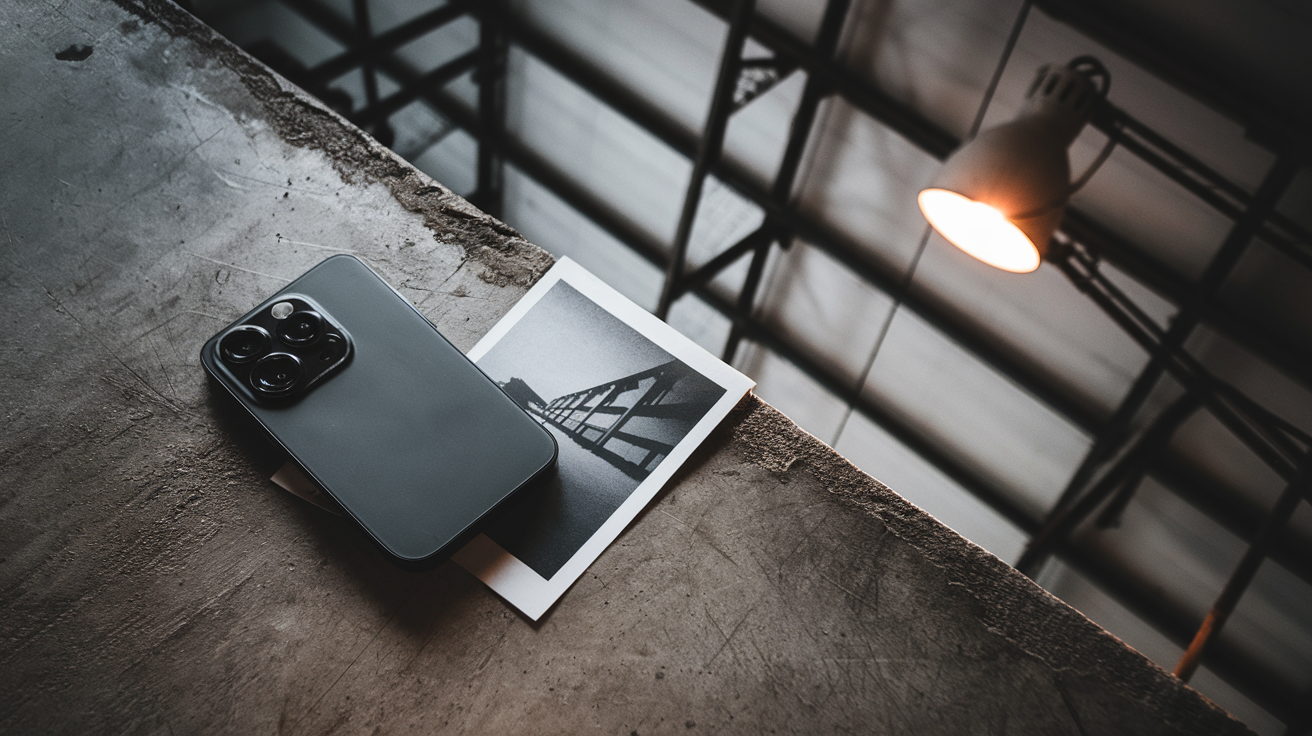
Apple is reportedly developing a feature called Apple Reference Image, surfaced in iOS 27 beta 5 by 9to5Mac. The system would embed provenance metadata directly into iPhone photographs at the moment of capture — creating a verifiable chain of custody between the camera and the viewer, and giving recipients a way to confirm a photo wasn't AI-generated.
The feature is not live. A privacy disclosure in the beta notes it will be off by default, accessible via Settings > Camera > Reference Image > Reference Mode. The source reporting carries honest hedges — "seemingly," "reportedly," "when or if it does roll out" — which is appropriate for beta code that may ship stripped down, delayed, or not at all.
The architecture is sound. Deepfakes work because there is no chain of custody between capture and consumption. Embedding provenance at the hardware level — not post-hoc — directly breaks that. It doesn't stop bad actors generating synthetic images on other hardware, but it gives a verification path for authentic captures. That is a real, non-theatrical contribution to the problem of people abusing AI to manufacture false visual records.
The ceiling on real-world impact is adoption. A provenance signal only works when the absence of that signal is also legible — which requires broad uptake, third-party verification infrastructure, and platform-level support that don't yet exist. Off by default is the right privacy posture; it is also a meaningful constraint on scale unless the ecosystem follows.
This is the cleanest output-positive signal Apple has produced in a while, and it earns a genuine entry on the right side of the ledger. It doesn't rehabilitate Apple's litigation posture against OpenAI, its dependence on Chinese state-adjacent AI partners, or its broader output lag relative to narrative. But the direction is correct, the architecture is hardware-anchored, and if it ships, it matters.
Deep Thought's Take
The architecture is right: provenance at capture, not post-hoc. Deepfakes exploit the absence of chain of custody — this closes it. But a signal only works when its absence is legible. Off by default, no ecosystem yet. Sound idea, undelivered product.