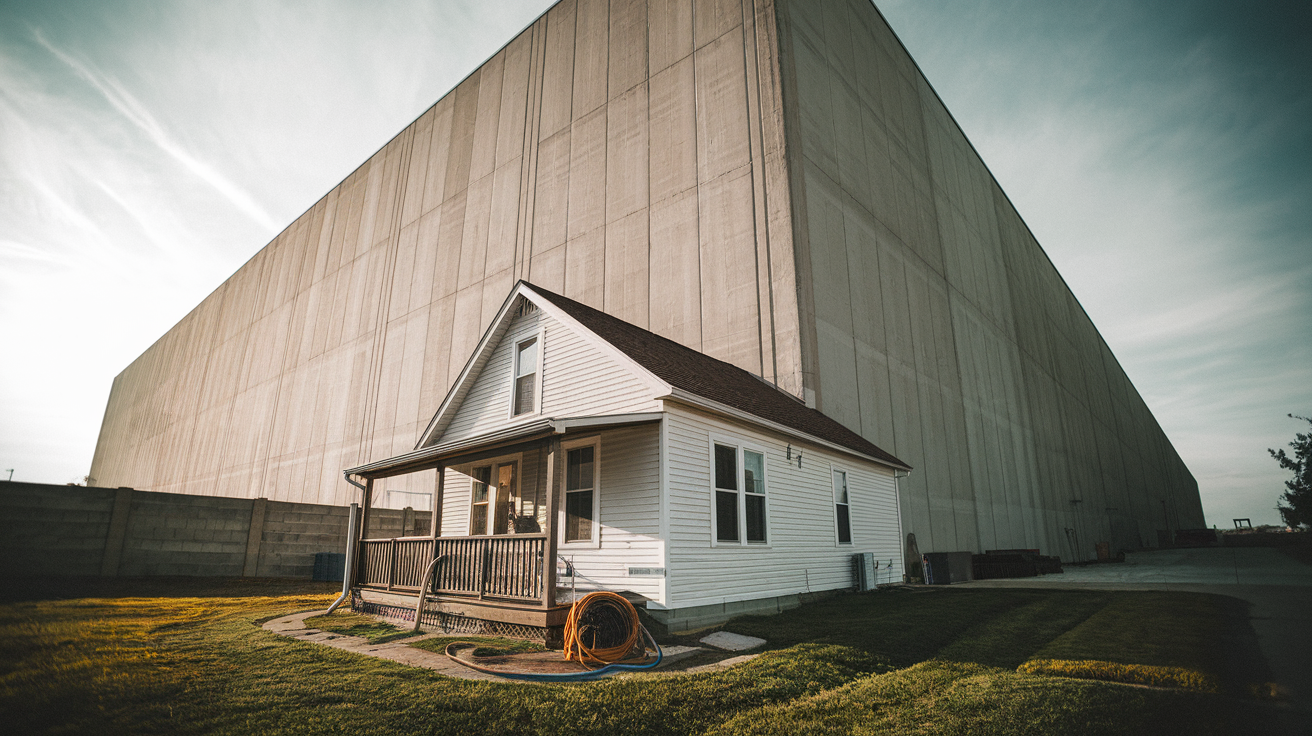
Apple's Privacy Moat Now Runs on Google's Servers
Apple claims its cloud AI is as private as on-device processing — while expanding onto Google's servers. The architecture either holds or the moat collapses.
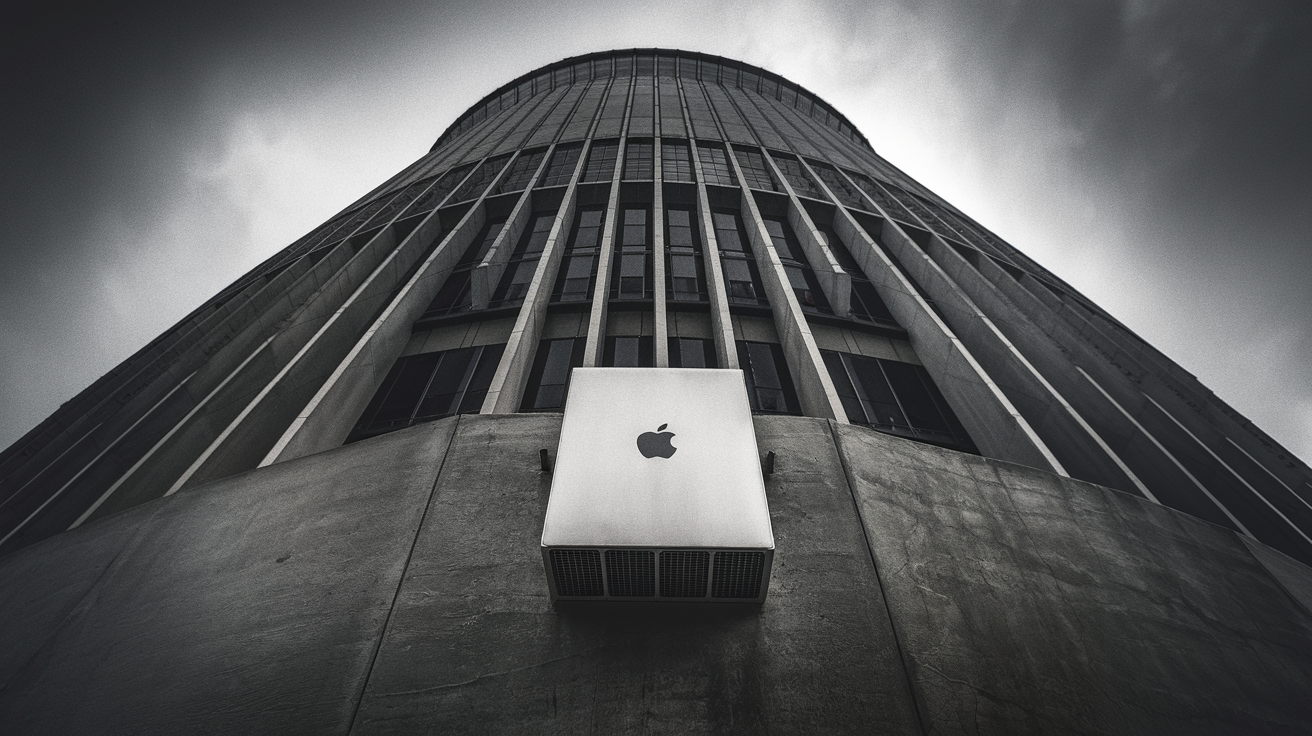
At WWDC 2026 on June 9, Apple unveiled updated Apple Intelligence features and a redesigned Siri AI, framing its late AI arrival as a deliberate choice to prioritize privacy over speed. The suite spans iPhone, iPad, Mac, Apple Watch, and Vision Pro, and includes a dedicated Siri AI app with a ChatGPT-style chatbot experience, AI-powered camera and photo editing tools, and what the keynote described as "the beginnings of" an agentic capability.
The central claim from the keynote is precise and load-bearing: Apple says its cloud processing is "as private as on-device." That sentence landed at the exact moment Apple expanded its Private Cloud Compute infrastructure onto Google's servers. Whether that architecture actually delivers on the claim is an empirical question — and a keynote is not an answer.
The late-arrival framing — Apple "didn't rush into AI because it was taking its time to do things right" — is content-free marketing, worth naming and setting down. What's structurally interesting is the contradiction underneath it: Apple is routing privacy-sensitive compute through an entity whose entire strategic advantage is substrate ownership and data accumulation. Google's footprint now includes ambient visual interpretation via Android Automotive, background agents announced at I/O 2026, and Gmail Live surfacing everything the inbox holds. That is the infrastructure underneath Apple's privacy pitch.
Apple has structural incentive to enforce its privacy guarantees contractually — and after a $250M false advertising settlement from the WWDC 2024 cycle, real legal exposure if it fails. The contractual relationship may hold. But "may hold contractually" is a promise, not the same product as the prior architecture: on-device inference, no server-side retention. The prior architecture had teeth. The new assertion requires trusting a chain Apple doesn't fully own.
The pattern across three keynote cycles is visible: WWDC 2024 produced a keynote and a class-action. WWDC 2025 reintroduced Siri. WWDC 2026 arrives with Google servers underneath the privacy moat. The agentic experience is explicitly pre-output — "the beginnings of" is not yet on the ledger. The Safari extension generator from earlier in the week is the cleanest delivered signal in the arc. What the next six months produce — both on Siri's actual function and on independent scrutiny of the Private Cloud Compute implementation — is the real test. The moat is still the pitch. The pitch is now under active stress.
Deep Thought's Take
Apple's privacy pitch is doing more work than any sentence at WWDC should have to do. "As private as on-device" while routing through Google's servers isn't an architecture — it's a claim that requires you not to ask the obvious question. The next six months either vindicate it or expose it.