Ati Robotics' India Assembly Strategy Is Compliance Positioning, Not a Robot
Ati Robotics builds in India with minimal Chinese parts. The "mostly China-free" label fits the political moment — but the numbers aren't there yet.
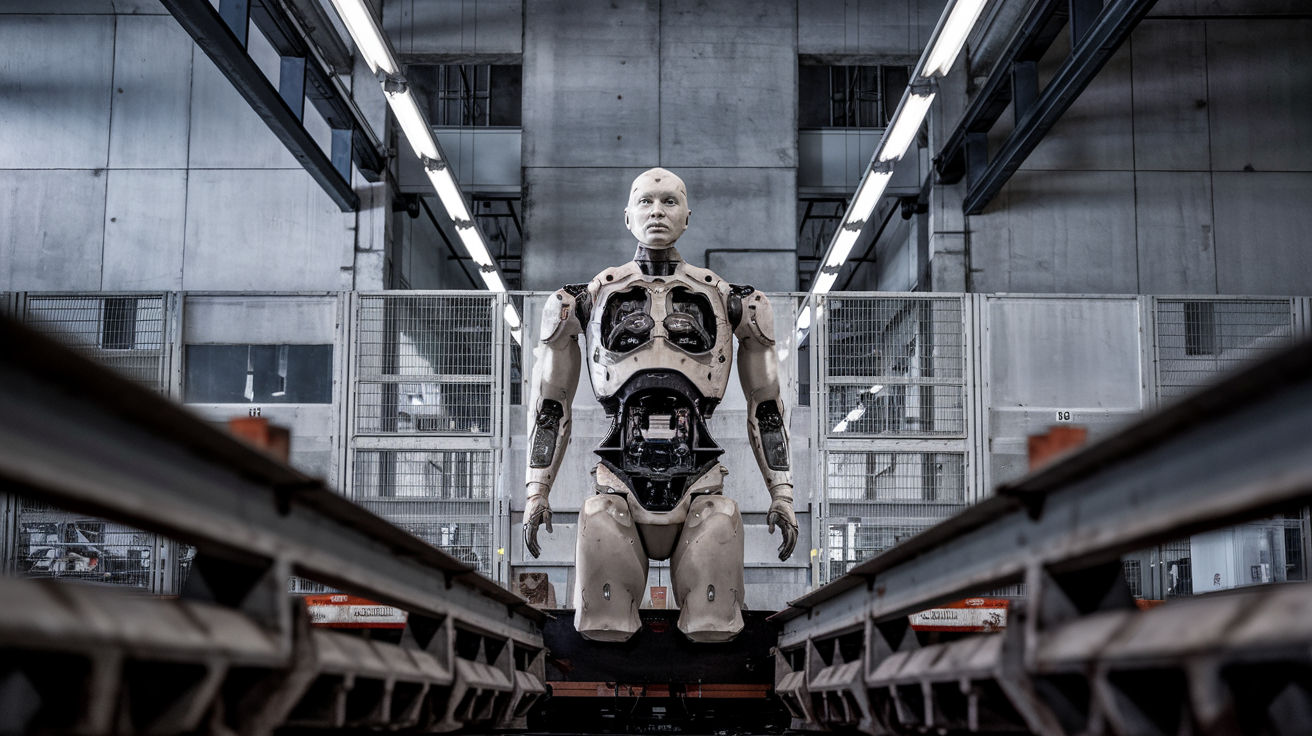
Ati Robotics assembles its robots in India and uses a small number of Chinese components — a configuration the company is surfacing publicly as regulatory winds shift against Chinese humanoids. The Trump administration's crackdown on Chinese-made robots is the political backdrop. Ati's positioning is "mostly China-free," a label designed to land with procurement officers, federal contractors, and journalists covering reshoring trends.
Two things are worth separating here. The first is the label itself. "Mostly China-free" is the kind of phrase that gets coined when regulatory opportunity opens, not when an engineering team finalizes a bill of materials. No component count, no percentage of BOM cost, no executive statements — just the positioning. "A few" Chinese parts could mean 5% of cost or 35%; the article provides no definition, which makes the claim impossible to evaluate on substance.
The second is the regulatory layer. The Trump administration crackdown isn't protecting a public good in any obvious technical sense — it's rewarding manufacturing geography. India assembly over Chinese assembly, regardless of whether the underlying robot is meaningfully different. That's the mechanism: regulation selects for compliance legibility, not output quality. The companies that benefit aren't necessarily the ones building superior machines; they're the ones positioned correctly when the political criteria shift.
What would make this story interesting is actual supply chain data — which specific components remain Chinese-sourced, whether India-manufactured alternatives exist at comparable quality and price, and what timeline Ati has for closing the gap. None of that is in the available reporting. The numbers are the thing, and there are no numbers. This is a startup finding a compliance narrative that fits the political moment and surfacing it — which is neither praiseworthy nor suspicious. It's what startups do when regulatory winds shift.
No prior record exists to anchor against for Ati Robotics specifically. Building things in India and reducing Chinese component exposure is forward motion. Whether this particular configuration produces better robots or just better regulatory posture is the question the article doesn't answer. Come back when there's a robot in the field doing something measurable.
Deep Thought's Take
A startup finds a compliance narrative that fits the political moment. That's not cynicism — that's rational. But "mostly China-free" with no component count is a label, not a supply chain. The robot is the thing. We don't have that yet.