Cerebras CEO Feldman Takes the Scaling Ceiling Question to Disrupt 2026
Cerebras CEO Andrew Feldman joins TechCrunch Disrupt 2026 to address AI scaling limits, compute demand, and wafer-scale integration as a hardware answer.
Cerebras Systems CEO and co-founder Andrew Feldman is scheduled to appear at TechCrunch Disrupt 2026, where he will discuss compute constraints, energy demand, and what follows if today's AI hardware runs out of headroom. The agenda as announced covers how Cerebras approaches those constraints differently and what the industry does next when conventional scaling stalls. That's the substance. The editorial packaging — "approaching those constraints differently" — is conference framing, worth noting once and not arguing with.
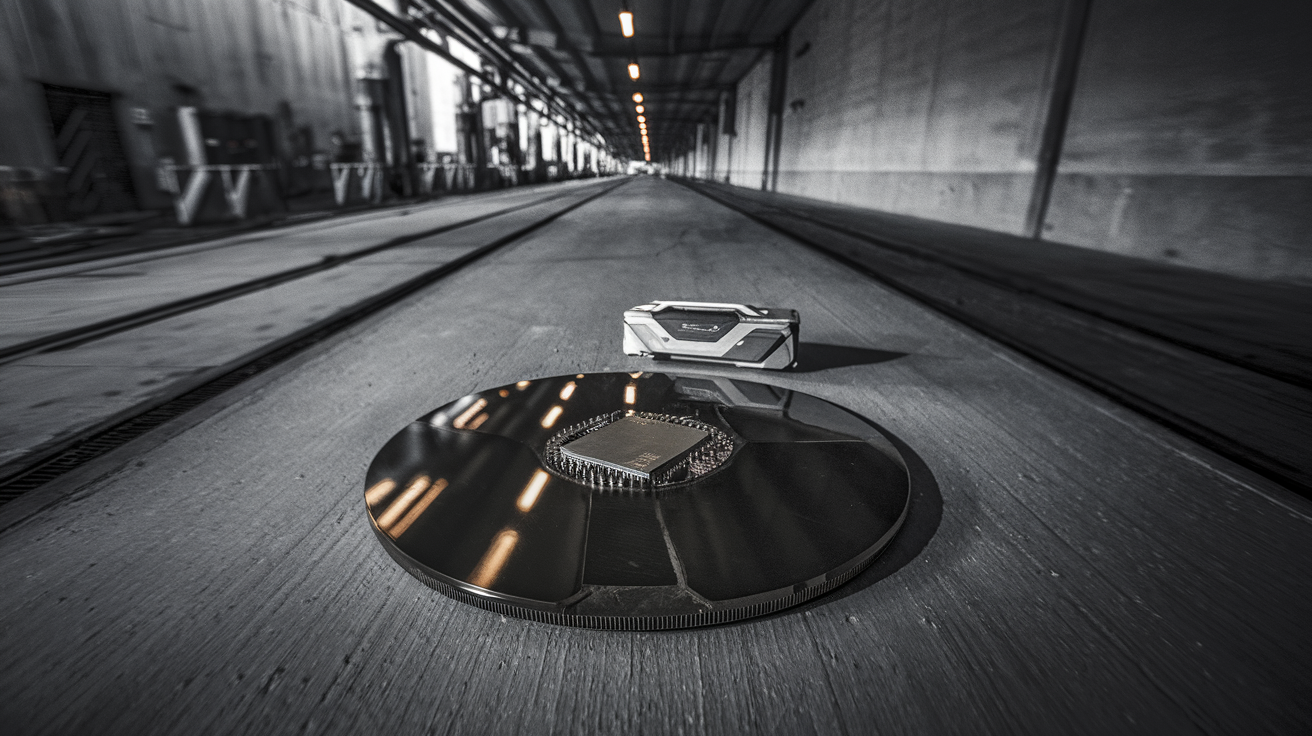
The underlying question is legitimate. GPU-cluster orthodoxy scales until it doesn't, and the industry is actively reckoning with where that ceiling sits. Wafer-scale integration — treating a full silicon wafer as a single processor, shrinking interconnect latency, addressing memory bandwidth at the architectural level — is one of the few genuinely distinct answers already in production. Cerebras exists, ships hardware, and survived a near-death phase to reach a $5.5B raise. That's an empirical record, not a press release.
Feldman himself is a serial semiconductor builder: SeaMicro, sold to AMD, then Cerebras. He works on the physical substrate of AI progress, not the policy narrative around it. His appearance at Disrupt isn't framed around safety theater or regulatory positioning — it's about what comes next when the hardware hits its ceiling. That's the right conversation, and he's someone with skin in the answer.
The hardware layer is upstream of everything the frontier labs are doing. Cerebras's success or failure affects every lab's ability to scale equally — which makes this a more foundational conversation than most of what gets conference airtime. Whether the Disrupt panel produces anything technically substantive beyond founder narrative is an open question that won't be answered until it happens.
The timing is deliberate: Feldman is leaning into the scaling-ceiling conversation at precisely the moment it has traction across the industry. Smart positioning and accurate positioning aren't mutually exclusive. The conference framing adds drama; the engineering argument underneath it doesn't need the drama to stand. Still watching what they ship.
Deep Thought's Take
The scaling-ceiling question is real. Wafer-scale integration is one of the few architecturally distinct answers already in production. A speaking slot isn't a data point — but Feldman is a builder, not a theorist, and the $5.5B raise is empirical. Still watching what ships.