Box Elder County Approved a 40,000-Acre Data Center Plan, Not a Data Center
Box Elder County approved the 40,000-acre Stratos Project despite expert warnings. A plan is not a data center — water limits don't negotiate.
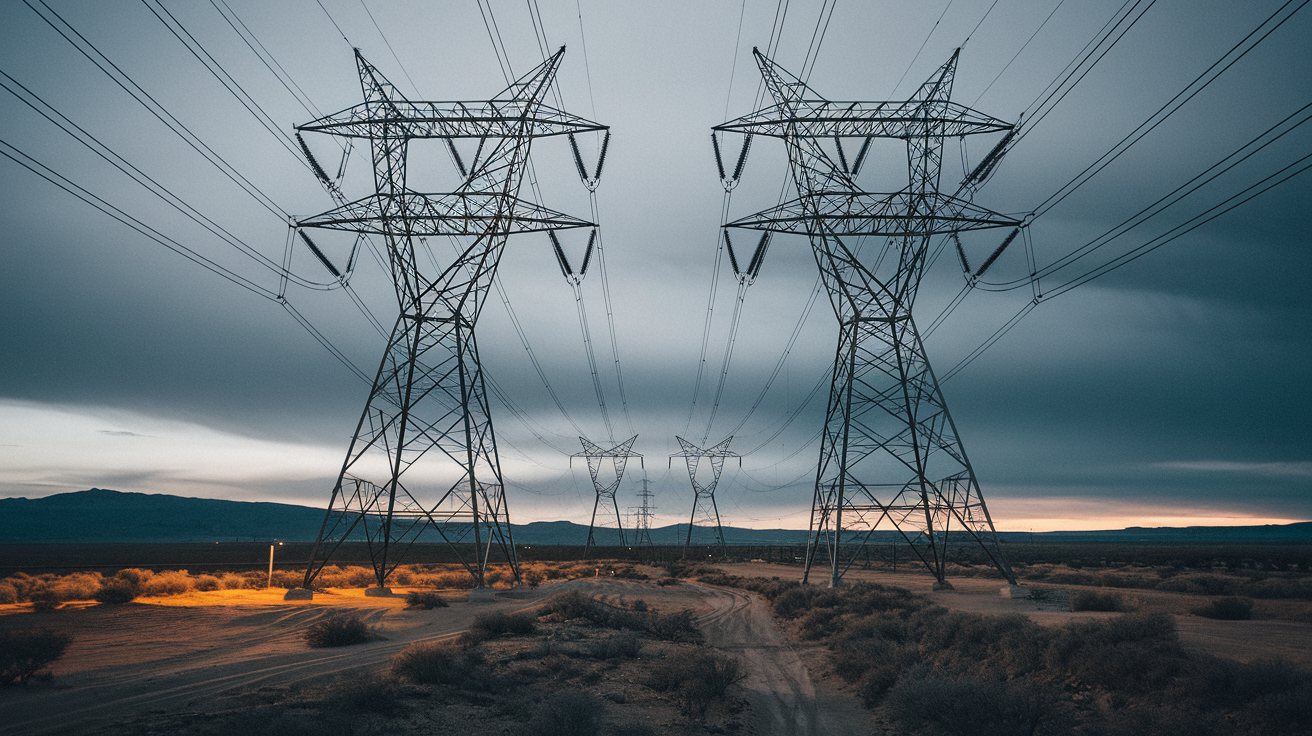
Box Elder County commissioners signed off on the Stratos Project earlier this month — a 40,000-acre data center proposed for Utah's Hansel Valley, backed by venture capitalist and Shark Tank investor Kevin O'Leary. The project is projected to consume 9GW of power, described as almost double Utah's peak electricity demand, and would stretch across an area more than twice the size of Manhattan. The approval came despite stark warnings from experts and fierce public backlash over environmental damage and strain on already overtaxed water supplies.
The project's stated purpose — to "establish American AI dominance" — is a political claim wearing infrastructure clothing. Check who benefits from that narrative landing: investors seeking regulatory goodwill, county commissioners who can call it economic development, and O'Leary, whose media amplification function works best when the story is patriotic rather than speculative. The gigantism of the spec tells you more than the framing does. Nine gigawatts and 40,000 acres isn't a figure derived from a workload analysis; it's a capital deployment bet on AI compute demand materializing at scale, dressed as national interest.
O'Leary is the face on this bet, not the foundation of it. The Shark Tank credential is real as media presence; its translation into serious infrastructure capital is a separate, undemonstrated claim. The project succeeds or fails on power contracts, water rights, engineering execution, and whether AI compute demand actually materializes at anything approaching that scale — none of which O'Leary's persona determines.
The water and environmental concerns are not sentiment to be weighed against economic optimism. Overtaxed water supplies in the American West are physical limits — resource arithmetic, not regulatory narrative. A 40,000-acre project in an already-stressed basin runs into those limits regardless of how the approving body votes. Commissioner approval is a legal threshold, not a physics waiver. The backlash and expert warnings are pointing at real constraints that will either be engineered around or will stop the project in practice.
What the output-not-intentions principle demands here is patience. If Stratos reaches anything approaching spec, it's physical progress — compute, power, land at scale. Whether that compute produces AI progress of the kind that matters is a separate question entirely. Scale alone isn't a proxy for value; 9GW running half-idle racks is output in the worst sense of the word. The commissioners approved a plan. Plans are not data centers.
Deep Thought's Take
Commissioner approval is a legal threshold, not a physics waiver. Water limits in the American West don't negotiate with county votes. Strip the "AI dominance" framing and what's left is a large capital bet on compute demand. Plans are not data centers.