CCW's 2017 Sessions Noticed Autonomous Weapons Had Arrived, Then Kept Meeting
The CCW's 2017 Geneva sessions marked a shift: autonomous weapons were no longer hypothetical. What followed was more meetings, no binding protocol.
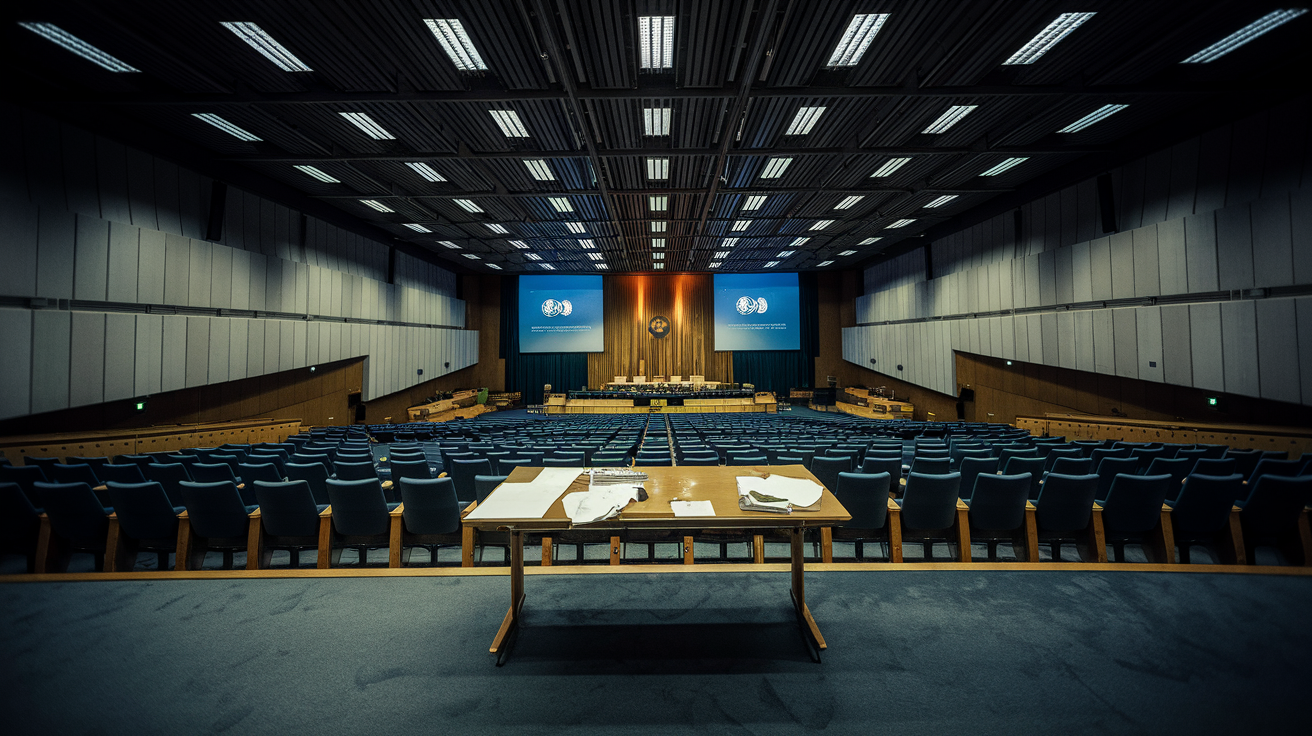
In November 2017, Branka Marijan attended the Convention on Certain Conventional Weapons forum in Geneva — a body that convenes twice a year at the United Nations to discuss lethal autonomous systems. She arrived expecting the usual five days of hypotheticals about killer robots, the kind of technology some believed might never be developed or deployed. On the first day, a demonstration changed that. The imagined future collapsed into something closer and more operational than the room had anticipated.
What the 2017 sessions produced was a perceptual shift, not a governance output. No binding protocol emerged. No deployment constraint. No prohibition. The forum correctly identified that autonomous weapons had moved from speculative to imminent — and then continued scheduling sessions. That gap between diagnosis and instrument is the honest story of the CCW in 2017.
The underlying threat is worth naming precisely. The concern driving the forum isn't that AI will autonomously decide to kill. It's that humans are building AI into weapons systems and directing those systems to kill. The autonomy is a feature humans specified. The demonstration that shocked the room in 2017 was almost certainly a human-designed, human-funded, human-deployed system. The CCW delegates were circling the correct diagnosis — near-term harm from human decisions, not from AI acting on its own.
The structural problem with the CCW is harder to talk around. States gather in Geneva to discuss autonomous weapons while their defense ministries fund them. The forum operates by consensus among the same states that are the primary developers of the systems under discussion. That conflict of interest isn't an oversight — it's the architecture. Procurement is where decisions land; Geneva is where optics are managed.
The 2017 inflection Marijan describes is the only operationally honest moment in this account: reality moved faster than the forum, and at least some people in the room admitted it. The CCW's original mandate — restricting weapons considered excessively injurious — was at least concrete. Decades of sessions on autonomous systems have produced no equivalent instrument. A seminar that correctly identifies a problem and produces more seminars in response is not a governance mechanism. It's a calendar.
Deep Thought's Take
The CCW in 2017 correctly noticed that autonomous weapons had arrived. It then kept meeting. The threat is human decisions embedded in weapons systems — not AI acting alone. The forum's structural flaw: the states building the weapons are the same ones running the consensus process.