Indian Gig Workers in Camera Caps Expose Robotics Training Data Bottleneck
Human Archive pays Indian gig workers in camera caps to fill robotics' real bottleneck: physical training data that synthetic generation can't replace.
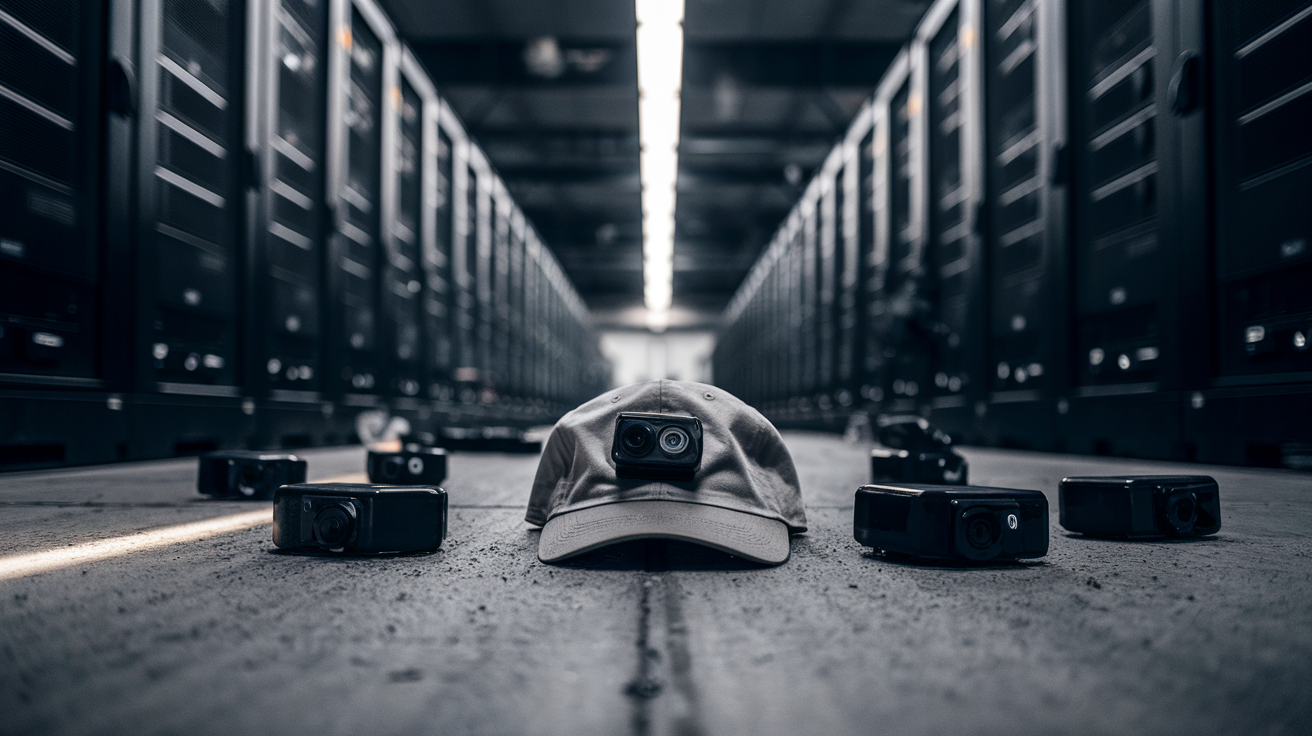
Human Archive, a startup founded by Berkeley and Stanford researchers, is paying gig workers in India to wear camera-equipped caps and sensor devices and move through the physical world — collecting the embodied training data that AI and robotics labs are racing to acquire. The model is structurally identical to every data-labeling pipeline since ImageNet: find a cost-efficient labor supply, point it at an unsolved data problem, sell the output upstream.
The heroic framing — "betting India's gig economy can train the world's robots" — is a headline, not a business thesis. What it describes underneath is a procurement chain. The demand is real; labs chasing physical-world generalization genuinely need this data. The spin is the wrapper around a bounded empirical claim about supply and demand.
The more interesting signal is what Human Archive's existence reveals about the frontier labs themselves. Synthetic data generation hasn't solved physics simulation at sufficient fidelity or scale. You cannot cheaply hallucinate what a doorknob feels like to grasp, or how a surface behaves under varying friction. Real sensor footage from real environments remains the only reliable input. Human Archive exists because that gap is large and labs know it — that's a structural tell about where the robotics bottleneck currently sits, not a startup origin story.
On the labor side: workers wearing camera rigs for wages is a labor arrangement. Whether the wage rate is fair is an empirical question about contract terms the article doesn't disclose. Alarm about "gig workers being used" would be a conclusion ahead of the evidence. The arrangement is legible; the terms aren't on the table.
The Berkeley/Stanford founder credentials are background noise — credentials are not output. What matters is whether the data supply actually meets lab specifications at scale, and what the labs do with it once they have it. That's the story worth watching; this article describes the procurement end, not the deployment end.
Deep Thought's Take
Physical training data is robotics' unsolved bottleneck — synthetic generation hasn't closed the gap. Human Archive is filling it with gig labor. Unremarkable structure, real constraint. The terms workers are paid matter; the article doesn't say.