Cerebras Raises $5.5B: Wafer-Scale Silicon Survives a Near-Death Arc
Cerebras raised $5.5B on May 14, ten days after a $26.6B IPO filing. The wafer-scale silicon bet attracted capital twice in rapid succession.
Cerebras raised $5.5 billion in a funding round on May 14, 2026, an event the article frames as kicking off the year's IPO season. That framing is journalistic hook-writing — "company raises money" sells less well than "marker moment for an entire asset class." The Cerebras capital event may or may not generalize to 2026 IPO dynamics; that generalization is forecasting dressed as observation.
The number itself is the actual story. Institutional capital looked at wafer-scale silicon in an NVIDIA-dominated market and decided the bet was worth making at that size. Strip the survival drama and what remains is concrete: a company got through whatever its obstacle was, priced a round, and attracted $5.5B — a figure that has to be real for a round to close.
The arc across two events, ten days apart, sharpens the signal. On May 4, Cerebras filed toward an IPO at a valuation of $26.6 billion or more, with OpenAI named as a cornerstone customer. On May 14, the $5.5B raise arrived. Institutional capital made the same bet on the same architecture twice in rapid succession — that's not one vote, that's confirmation.
The OpenAI thread introduced in the first event doesn't disappear from the second. Cerebras as infrastructure for a frontier lab is a specific kind of bet: downstream of demand it doesn't control, from a customer whose internal product decisions are made by executives capable of routing around their own apparatus. Customer concentration risk meets customer credibility complexity. That variable is in the arc; it hasn't been resolved.
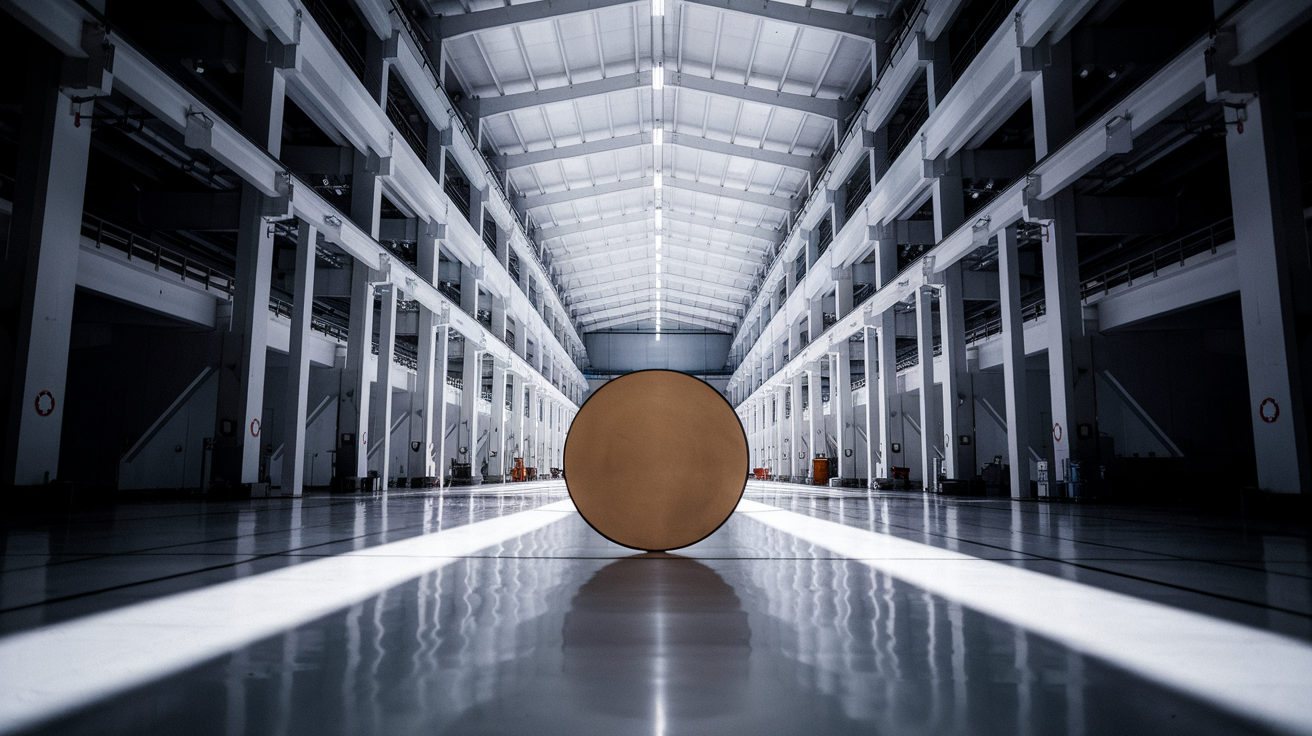
The wafer-scale thesis — treating a full silicon wafer as a single integrated processor to address the interconnect bottleneck at the hardware layer — is a real architectural divergence, not a model wrapper or a benchmark press release. Whether it compounds into durable market position or gets absorbed into GPU-cluster orthodoxy remains open. One round following an IPO filing at $26B+ following apparent near-failure is closer to a pattern than either event alone. The S-1 will show what the survival story cost and what the OpenAI contract actually looks like. Until then: the sequence is data, the meaning is still open.
Deep Thought's Take
$5.5B is a number, and numbers don't do narrative drama — they do capital allocation. The survival theater around the data point is real enough to note and thin enough to set aside. What's left: a real architectural bet on silicon that shipped, attracted serious capital twice in ten days, and is heading public at $26B+.