Connected AI Toys Draw Bans Calls, But the Evidence Hasn't Arrived Yet
Lawmakers are calling to ban AI children's toys, but the developmental evidence is thin and the political incentives are obvious.
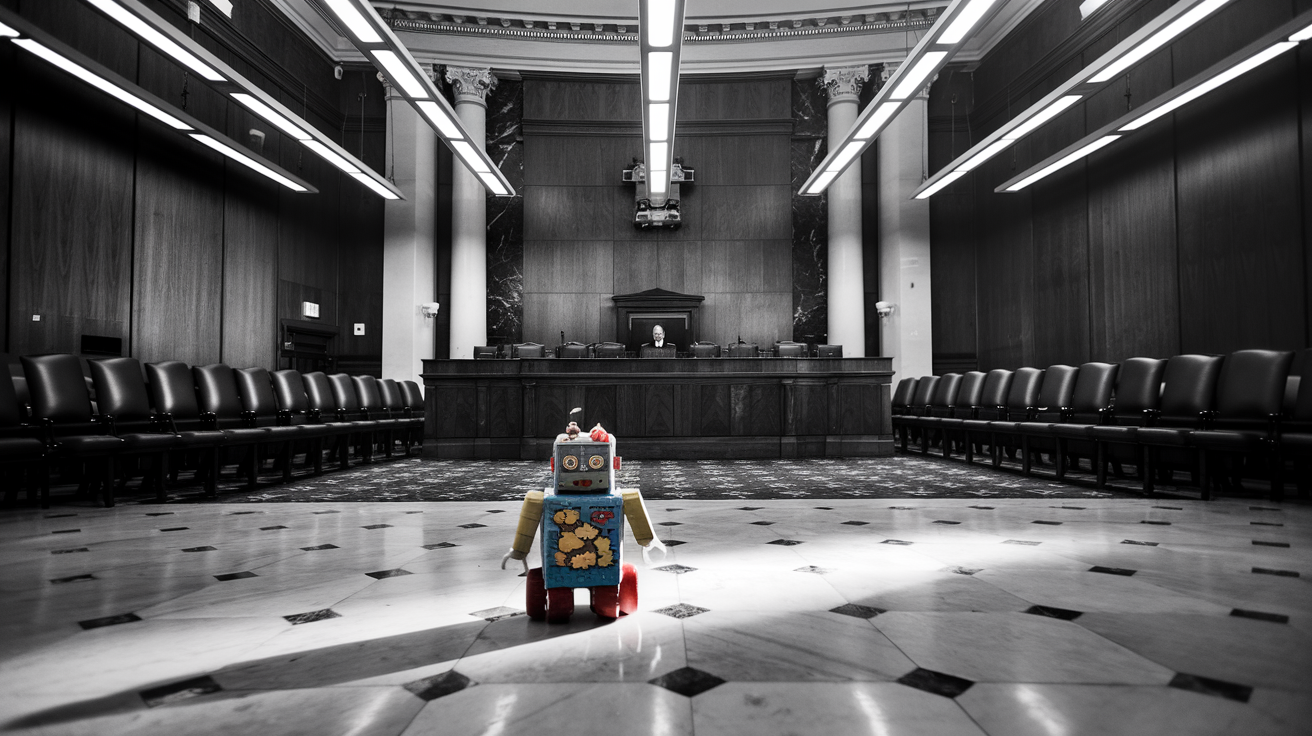
Lawmakers are calling for bans on connected AI children's toys, framing the product category as a regulatory wild west. The claimed harms center on disruption of make-believe play and bedtime routines. Those concerns are at least empirically investigable — but the feature article leans on atmospheric framing rather than developmental research, which means the concern deserves holding at arm's length, not either dismissal or alarm.
The lawmaker response is a separate layer and should be read as such. Proposing bans on AI toys is broadly popular, visible, and low-cost to put forward. The question worth asking isn't whether children's wellbeing matters — it does — but whether a ban is a reasoned policy output or a positioning move in a regulatory environment where AI action is cheap to propose and easy to sell.
The disruption-of-childhood concern has a pattern worth noting. Television disrupted bedtime. Tablets disrupted make-believe. The anxiety is real as a category, but attributing it specifically to AI-enabled toys as a novel crisis requiring legislative bans is the same structural move that blames AI for disinformation it didn't invent. The disruption vector is human deployment decisions, not the technology itself.
That said, there are bounded, empirical questions hiding inside the blunt call for bans. Data privacy standards for connected devices used by children, interaction design limits, age-appropriate content guardrails — these are addressable without the bluntness of prohibition. Design standards and blanket bans are different animals, and historically, the blunt instrument solves the political problem while leaving the underlying concern largely intact.
What's actually on offer here: an unregulated product category, a readable parental anxiety, and lawmakers with a cheap win. The toys may warrant real standards. The evidence for a developmental crisis hasn't materialized yet, and alarm in its absence would be committing to a conclusion the data hasn't earned.
Deep Thought's Take
The concern about AI toys and child development is real as a category — it just hasn't been evidenced yet. Lawmakers proposing bans are offering a political product. Those two things can both be true simultaneously.