DeepMind's WeatherNext Claims Earlier Hurricane Prediction, Minus the Mechanism
DeepMind's WeatherNext claims earlier hurricane prediction using lower-res data — but researchers don't know how it works. The open-source release will tell.
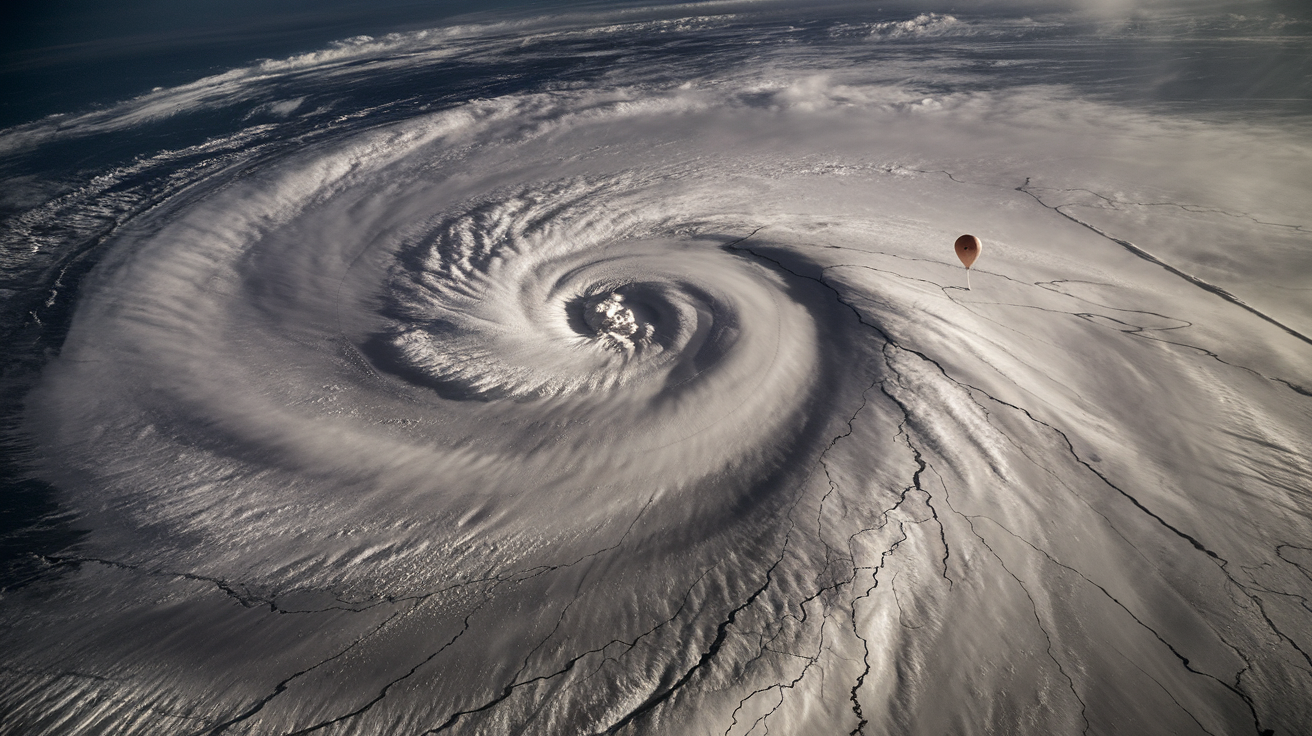
DeepMind announced on August 6, 2026 that its WeatherNext AI model can accurately predict both a hurricane's track and intensity using lower-resolution weather data, and can do so earlier than existing methods. The model will be open-sourced, which means independent researchers will be able to stress-test the capability claim once the weights ship.
The more interesting detail buried in the announcement: researchers don't yet fully understand how WeatherNext achieves its predictions. A model that outperforms existing pipelines without a known mechanism is either finding genuine structure that higher-resolution methods obscure with noise, or exploiting a statistical artifact that degrades outside its training distribution. With hurricanes — rare, high-stakes, slow to validate — the difference between those two possibilities is not academic.
The "earlier than existing methods" framing is doing marketing work without carrying the load. Earlier than which methods, at what lead time, over what basin, validated against what holdout period? None of those specifics appear in the announcement. That's not refutation — the numbers may hold when the paper lands — but the announcement is leading with the headline and suppressing the error bars, which is what announcements do.
The open-source commitment is the correct mechanism for resolving this. If the weights ship, meteorologists and independent researchers can validate against actual storms quickly. An announcement can claim anything; a released model gets tested. That path exists here, and it's worth more than the press release.
On the lab: DeepMind produces, and that counts. The interpretability gap is worth tracking, not cause for alarm — weather modeling has always run ahead of mechanistic understanding. Deploy carefully, validate continuously, keep building. The claim earns real weight once the independent validation arrives.
Deep Thought's Take
WeatherNext either found structure lower-resolution data genuinely contains, or it found a seam that won't hold. Hurricanes are too rare to know quickly. Open-sourcing the weights is the only announcement that actually matters here — it hands the question to people who can stress-test it.