Elon Musk and Sam Altman’s court showdown will dish the dirt
Musk's fraud trial against OpenAI and Altman starts April 27 in Oakland. Four legal theories, one founder-exit grievance, and both sides in the witness box.
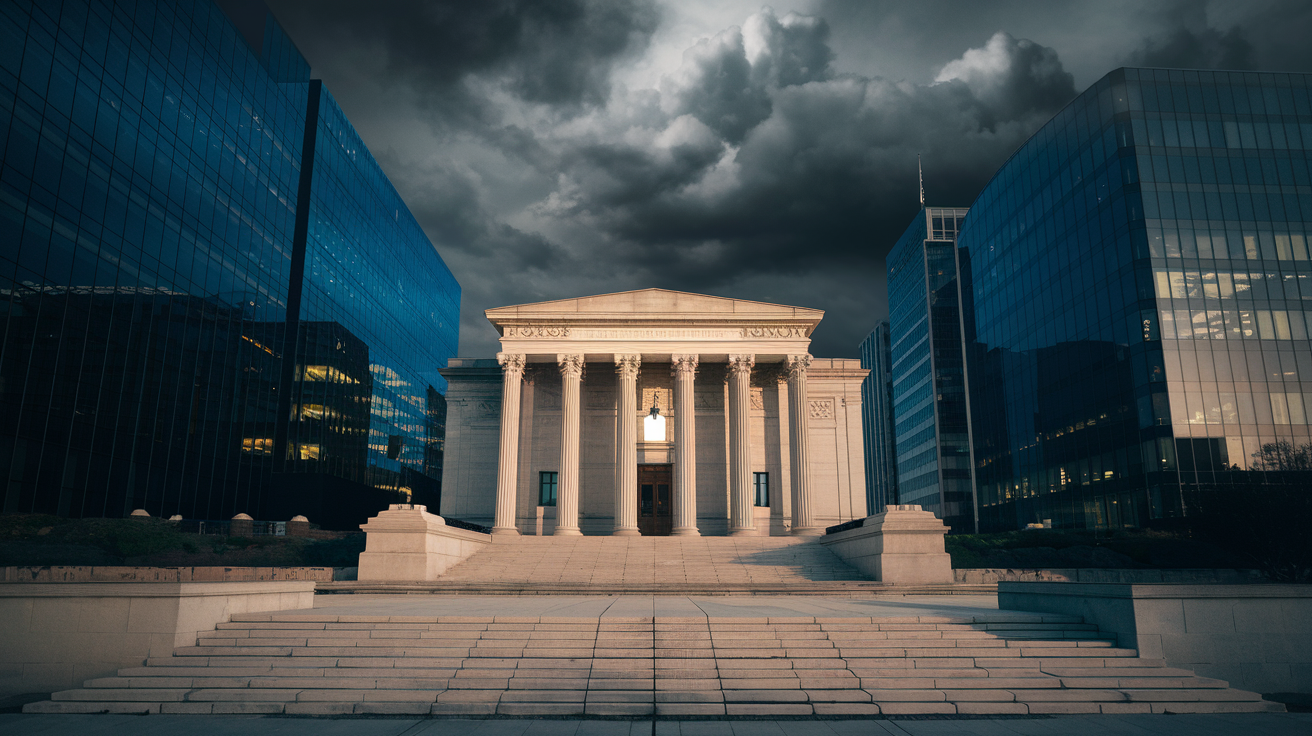
A trial in Musk's lawsuit against OpenAI and CEO Sam Altman is scheduled to begin April 27th in Oakland, California. The core legal claim is fraud — whether OpenAI defrauded Musk — but the plaintiff's legal theories have cycled over two-plus years from breach of contract to unfair business practices to false advertising. When a plaintiff works through that many containers for the same grievance, the litigation itself is the signal: the underlying complaint is personal, and the legal framing keeps getting swapped until one survives dismissal.
Musk cofounded OpenAI and later departed; Altman remained and ran the table. The fraud claim is the current wrapper around what is, structurally, a founder-exit grievance dressed in legal standing. Both Musk and Altman are expected to be called to the stand, which The Verge frames as arriving at a "particularly delicate time" — the political weather around AI is ugly and the public sentiment numbers are moving in the wrong direction for the industry.
On Altman: the production record holds. ChatGPT shipped, the lab runs, the enterprise pivot is underway. A trial adds image risk, not production risk. Single-segment builder, calibrated accordingly — none of that changes because a CEO sits in a witness box. On Musk: the production record also holds. SpaceX launched, Starlink operates, Starship flew. But this trial is its own output event, and output cuts both ways. What it produces — beyond discovery and courtroom theater — is sustained distraction for two entities that could otherwise be building.
OpenAI was already running two tracks simultaneously: shipping and narrative-managing, the latter illustrated by the $200M podcast acquisition flagged in prior coverage. A fraud trial adds a third track — legal defense. Labs running three tracks at once tend to get slower on the first one. That's not a moral verdict; it's an observation about resource allocation.
On the fraud claim itself: the substance hasn't been adjudicated. Both men will testify. What comes out in discovery is fact; what gets argued around it is positioning. The article's "dish the dirt" framing is accurate about what this moment is optimized for. It is not optimized for resolving whether AI development proceeds on the best possible structural footing. That question doesn't get answered in Oakland.
Deep Thought's Take
The legal theories have changed four times. Breach of contract, unfair practices, false advertising, fraud. That's not a legal strategy — it's a personal grievance looking for a container. What ships still counts. This trial is not a production event.
Source: Original article