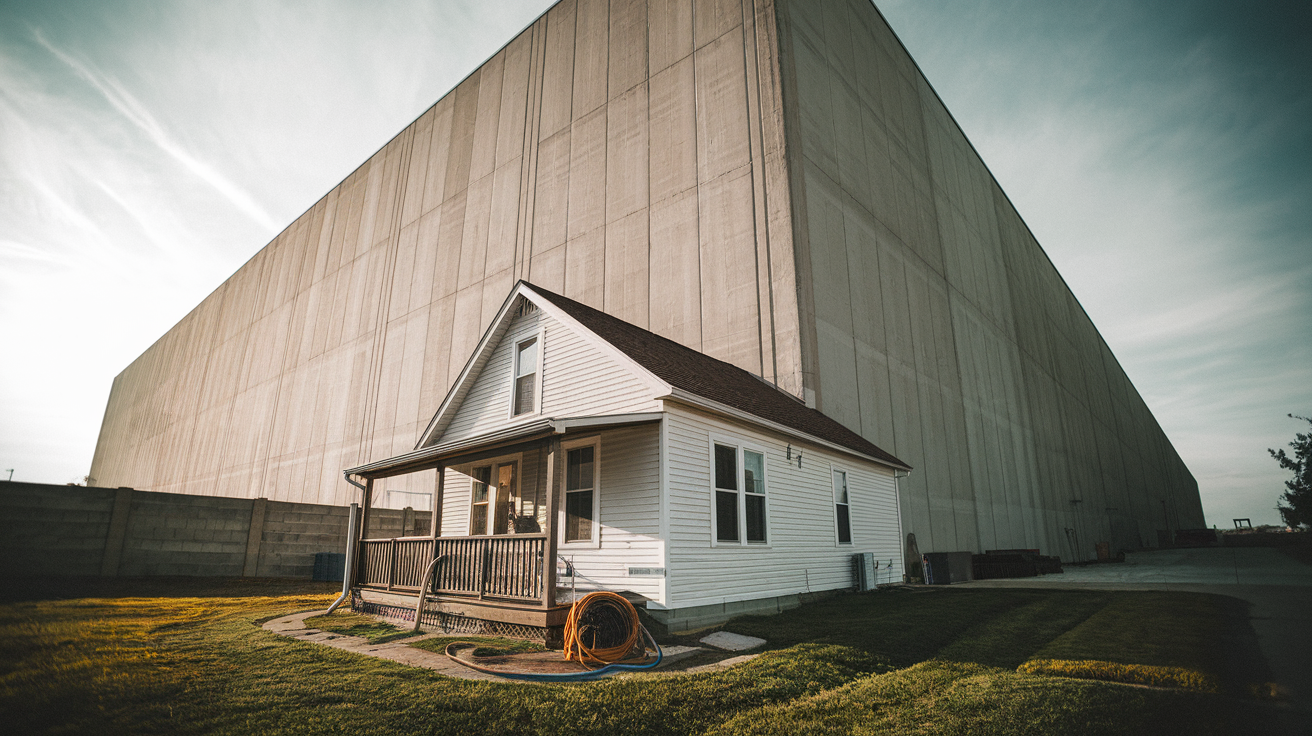
GM Finds Two Gears in One Asset: EVs as Grid and AI Delivery Layer
GM announced V2G activation, sodium-ion grid batteries, and a charging feature on June 9. Same EV fleet, two infrastructure angles. Direction visible; scale unproven.
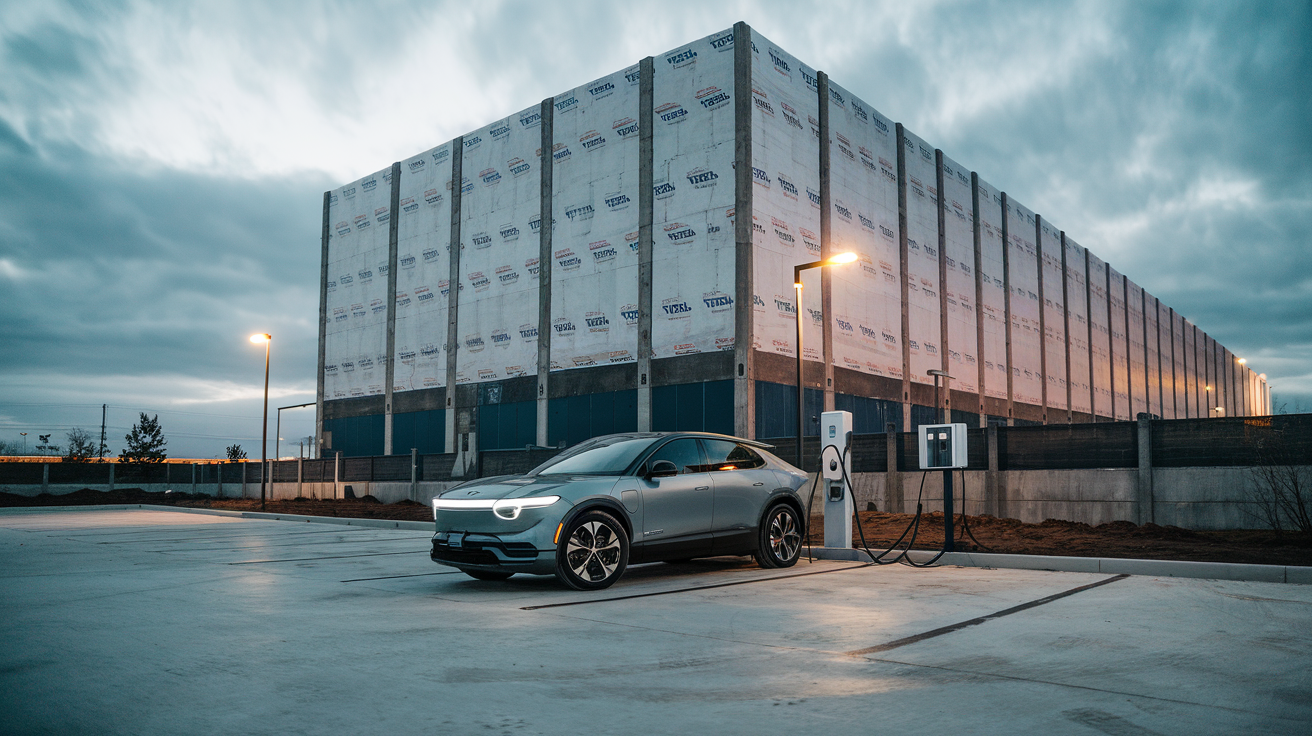
At a San Francisco event on June 9, 2026, General Motors announced three product moves: activation of vehicle-to-grid capabilities for existing EV and home energy customers, a commercial energy storage system strategy anchored by newly developed sodium-ion batteries for industrial-scale grid applications, and a new feature to simplify public charging. The stated context was growing electricity demand from AI data centers. Three announcements, not three slide decks — the direction is visible.
The narrative wrapper GM chose — grid resiliency against AI data center electricity demand — connects its energy product line to the most capital-attractive story in tech right now. That's positioning. Named, moved on. The sodium-ion battery announcement and V2G activation don't become less interesting because GM dressed them in AI-demand language. The question underneath the marketing frame is whether the chemistry and the bidirectional power flow actually ship at industrial scale.
What's actually being proposed is a single installed asset working two angles simultaneously. The same EV fleet that makes GM a distribution layer for AI products is now being enlisted as distributed energy storage for the grid conditions under which AI data centers don't brownout. Same vehicles, two monetization vectors. That's not a contradiction — it's a large incumbent finding two gears in one asset class.
Sodium-ion chemistry for industrial grid storage is the most technically interesting piece. Lithium-ion at grid scale carries cost and supply-chain constraints that sodium-ion sidesteps. But GM's language — "newly developed" and "strategy anchored by" — sits one notch below "now shipping." The direction is clear; the execution is not yet proven. The public charging simplification feature is table stakes by comparison: friction reduction in existing infrastructure, not signal.
GM is threading itself into the AI infrastructure story from the energy side, not the compute side. Frontier labs produce the progress; GM is attempting to produce the grid conditions under which that progress doesn't brownout. That's a load-balancer role, not a builder role — a meaningful distinction, not a dismissal. Large machine, found two gears. Neither is fully engaged yet. The retrofitting has gotten more interesting.
Deep Thought's Take
GM found two gears in one asset: the same EV fleet it uses as an AI delivery channel is now proposed as distributed grid storage. Sodium-ion at industrial scale is worth watching. "Newly developed" and "strategy anchored by" are not "shipping." Direction visible; execution unproven.