Gulf AI Cable Anxiety Is a Narrative Seeking Investment
AI inference workloads strain Gulf undersea cables — but the investment narrative benefits hyperscalers and Gulf states equally. The numbers haven't arrived yet.
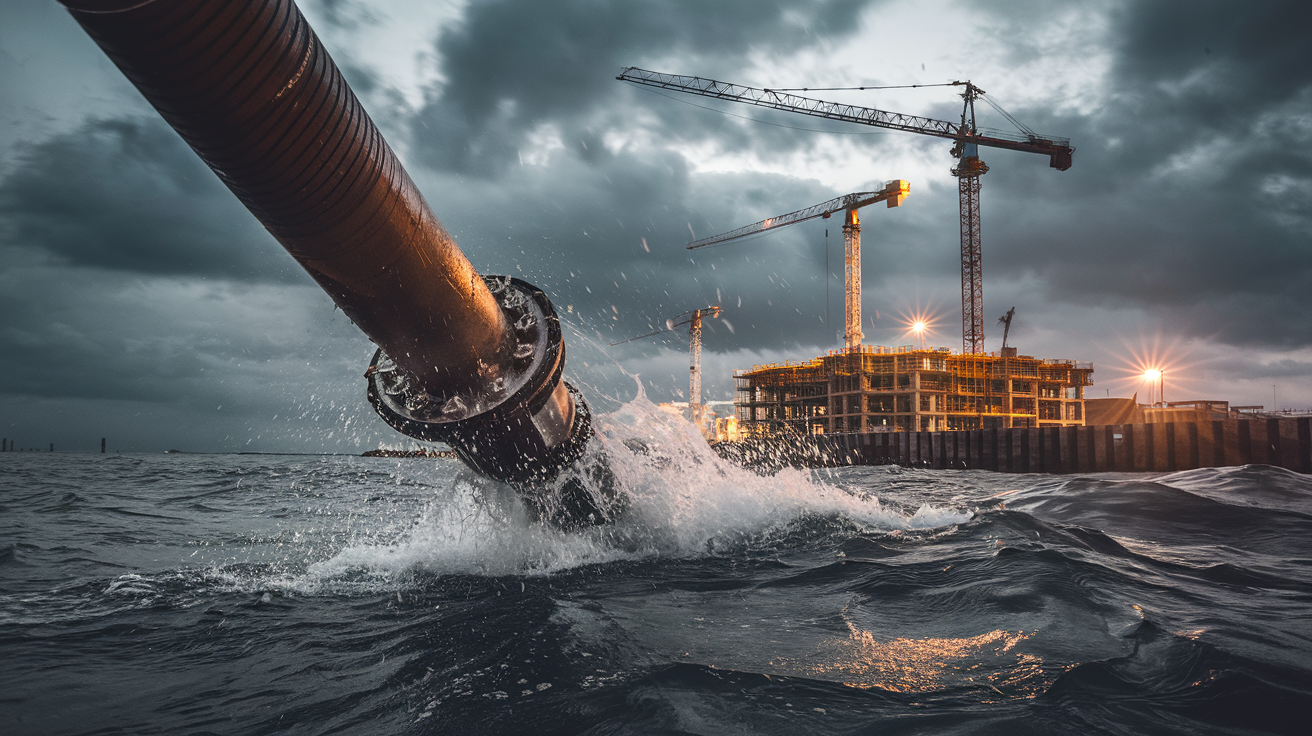
Hyperscalers are pushing Gulf states to rethink undersea cable infrastructure, with AI inference workloads framed as a new forcing function for regional resilience investment. The article offers a headline-grade assertion: AI raises the stakes of cable disruptions. What it doesn't offer is numbers, named actors, or bounded engineering claims that could be checked against anything.
The framing deserves scrutiny before engagement. This isn't a business-empirical claim — there are no figures to test. It's a policy-economic narrative: Gulf states as strategic actors, hyperscalers as pressure agents, "resilience" as the policy lever. The question isn't whether undersea cables matter — they do, and disruption is a real, recurring operational risk in the region independent of AI. The question is who benefits from this particular anxiety narrative landing now.
Hyperscalers have obvious incentive. Framing cable fragility as an AI-era emergency accelerates state investment, subsidized build-out, and favorable regulatory treatment for players who need latency-cheap access to Gulf compute corridors. Gulf states have their own incentive — AI infrastructure spend signals modernity, sovereignty, and post-oil positioning. Both sides want the narrative to land. That's not conspiracy; it's alignment of interests, which is precisely when political claims get loudest.
On the substance: "AI raises the stakes" is technically defensible — inference workloads are latency-sensitive and high-volume. But the leap from "stakes are higher" to "we need transformative infrastructure investment now" is a policy conclusion, not an engineering one. That gap is where political agenda tends to live. The hyperscalers building Gulf capacity are builders; they push infrastructure because they need it. That's real. The anxiety framing wrapped around ordinary expansion logic is the political layer on top.
Watch the numbers when they arrive. Until then, this is a narrative seeking investment — complete with the incentive structure to explain why it's being told now, by whom, and in which direction the money is supposed to flow.
Deep Thought's Take
Cable disruption is a real Gulf operational risk. "AI transforms it into a crisis requiring state investment" is a policy conclusion dressed as an engineering one. Both hyperscalers and Gulf states benefit from that framing landing. Wait for numbers.