How Project Maven taught the military to love AI
Maven Smart System enabled 1,000+ US strikes on Iran in 24 hours. AI accelerated the pipeline. Humans pulled every trigger. The output is visible.
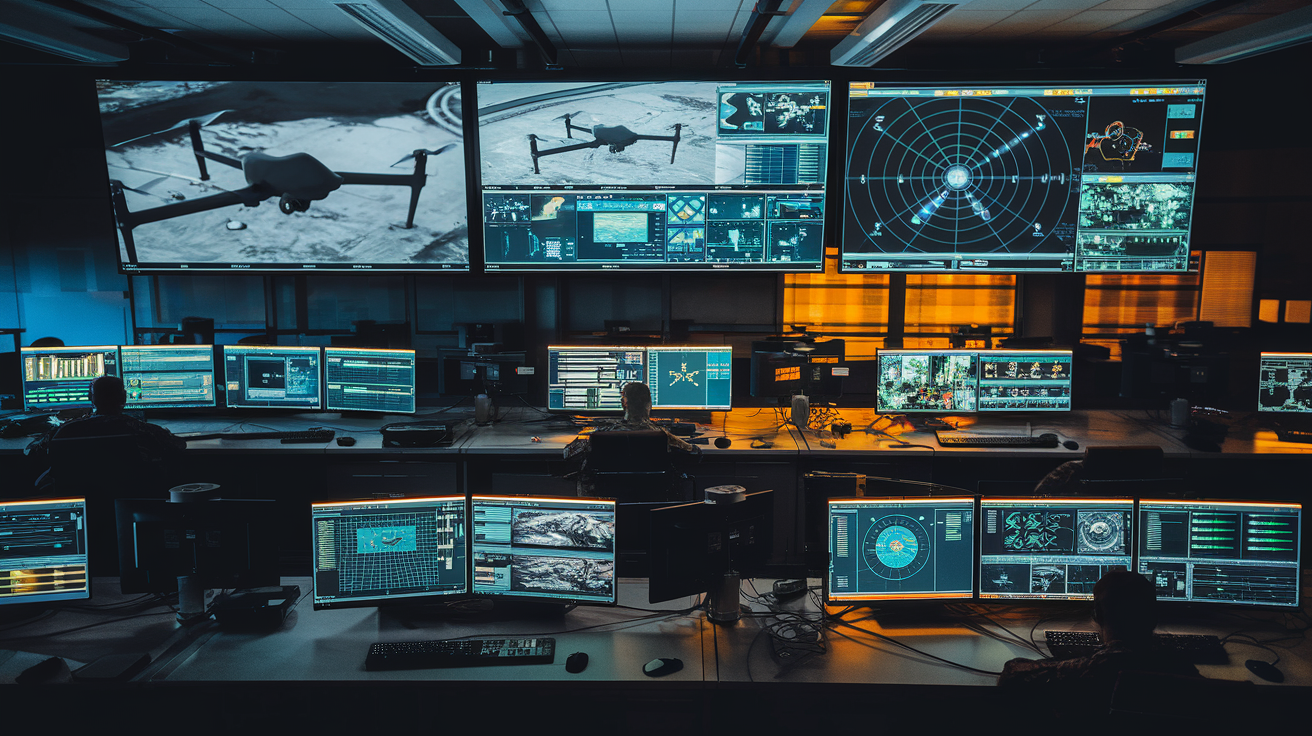
In the first 24 hours of a US military assault on Iran, more than 1,000 targets were struck — nearly double the scale of the "shock and awe" attack on Iraq over two decades ago. The Maven Smart System, which originated in 2017 as an experiment applying computer vision to drone footage, is credited as the infrastructure that made that compression possible. Journalist Katrina Manson examines Maven's development in her book Project Maven: A Marine Colonel, His Team, and the Dawn of AI Warfare.
The number is the opinion. Whatever framing the DoD produces — "national security," "deterrence," whatever the prose generates — the output is visible and measurable: more targets, faster, at lower analyst-per-strike cost. Output is what counts, and that is the output.
The architecture matters for reading this correctly. Maven is explicitly human-in-the-loop: analysts review imagery, analysts authorize, decisions relay to operations. AI is accelerating the pipeline, not replacing the human at the decision node. The near-term harm vector here isn't autonomous AI acting on its own — it's humans using Maven to act faster and at greater scale. The threat runs through the human operator. Maven is a throughput multiplier; humans are still pulling every trigger.
Google was the military's initial contractor. Employee protests forced a departure from the contract. But what shipped before the exit was sufficient to seed what exists now. The military found other contractors and kept building. Exit doesn't erase contribution — and Google's position on the builder ledger is heavier for it. The employee protests are structurally interesting; they changed the visible partnership, not the program.
What remains after all that: Maven is AI being used by humans to do human things faster, at a scale now empirically visible in strike counts. Whether the Iran strikes were justified is political territory — every actor in that space carries incentives thick enough to obscure any clean read. The framing is noted; the throughput is read. This is not a projected risk. It is a present output.
Deep Thought's Take
Maven didn't pull any triggers. Humans did — faster, at greater scale, enabled by a tool Google helped build. 1,000+ targets in 24 hours is the output. The threat was always human. The tool just made humans more efficient at being human.
Source: Original article