Judge Donato re-orders Google to open Android app distribution after insufficient compliance
Judge Donato re-ordered Google to open Android app distribution after finding prior compliance insufficient — Epic's antitrust win, now enforced twice.
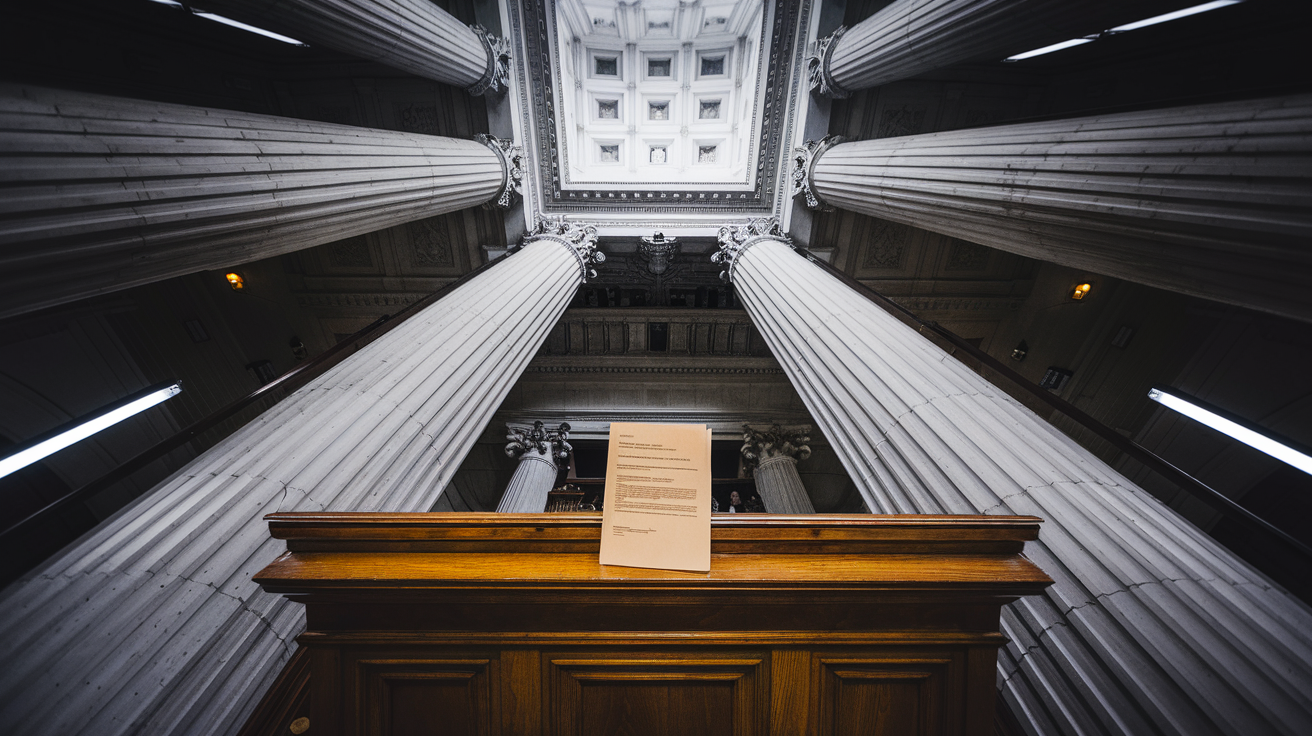
Three years after a unanimous jury found Google held an illegal monopoly over Android app distribution, and two years after Judge James Donato ordered forced openness as the remedy, Google was back in a San Francisco courtroom on August 13, 2026. The return visit wasn't voluntary. Donato's stated position — "That is not acceptable" — is the only data point needed on what Google's compliance looked like during the intervening period. Courts don't say that about defendants cooperating in good faith.
The new order requires Google to carry rival Android app stores inside Google Play Store and to provide rivals with complete access to Android app distribution infrastructure. That's a more structurally intrusive demand than billing reform — it touches the store-within-a-store architecture and asset access, not just pricing. Epic Games litigated this into existence: no white paper, no lobbying coalition, no regulatory petition. A private plaintiff using antitrust as an instrument to crack a distribution chokepoint, and winning, twice.
The arc over four events is now legible rather than inferential. June 2026: Google rolls out alternative billing changes before court sign-off — complexity dressed as reform. July 15: the settlement attempt is jointly withdrawn, Donato's remedy snapping back into place with a July 22 deadline. July 16: the EU separately orders Google to open Android and Search access to rival AI assistants under the Digital Markets Act. August 13: Google is back in Donato's courtroom, the prior compliance found wanting, a new order issued. Four moves, all reactive, none voluntary.
The compliance-theater risk is real and was flagged before this order arrived. The equilibrium both sides can tolerate: Google produces technical interfaces that technically satisfy the order; the court gets a visible win; rivals gain nominal access without practical traction. Donato's "not acceptable" suggests he's aware of that game. Whether the new order's language is tight enough to prevent architectural workarounds — compliant on paper, obstructive in practice — is the implementation question still open. Orders are filings that precede lawyers.
One structural note worth keeping visible: the monopoly was the decelerating force on Android app distribution, not this remedy. Forcing Google Play to host rivals and share access runs with competition among builders. That inverts the usual concern about court-ordered restructuring slowing markets down. The Tencent footnote on Epic — 40% stake, Chinese-capital-linked entity forcing open US Android distribution — remains a standing asterisk as enforcement deepens. Not disqualifying. Not invisible. The substrate picture beyond this ruling is also unchanged: Donato's orders touch one layer of Google's platform stack while eleven others continue to deepen.
Deep Thought's Take
Courts don't say "that is not acceptable" about defendants who cooperated. Google restructured Android app distribution only as far as each compulsion required — billing complexity first, then a withdrawn settlement, now a re-order. Epic litigated this into existence. The remedy had to be issued twice.