Mira Murati's Sworn Testimony Hardens the Candor Case Against Altman
Murati's sworn testimony that Altman lied about safety-board clearance gives the trial's trust theme an evidentiary weight no press cycle can match.
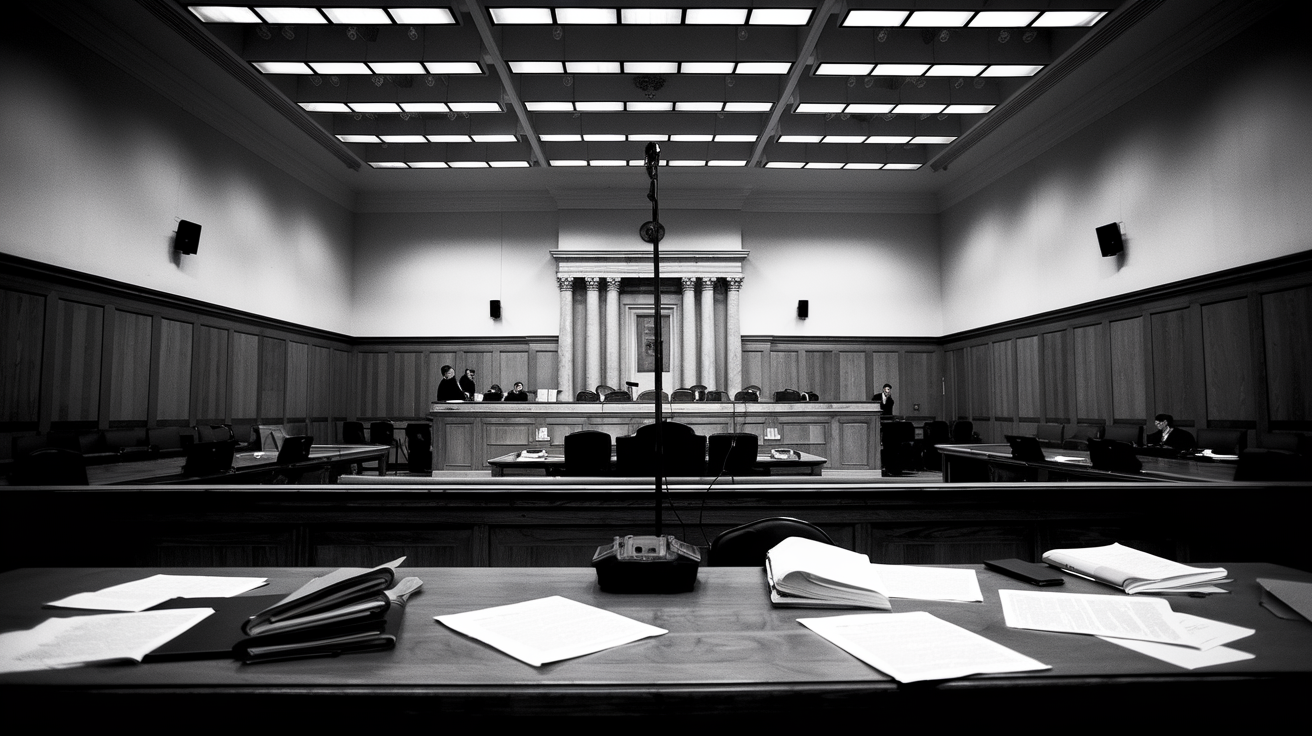
In the final days of Elon Musk's trial against OpenAI and Sam Altman, the proceeding compressed itself into a single question: is Sam Altman trustworthy? That question is not new. The 2023 board ousted Altman for not being "consistently candid." Mira Murati testified under oath that Altman specifically told her a model had been cleared by the legal department from safety-board review when it had not. A pattern visible in press cycles has now been named, on the record, in an adversarial proceeding designed to surface exactly this kind of evidence.
The trial's closing theme carries weight that a press cycle does not. Sworn testimony sits in a different epistemic register than positioning — Murati's account of a specific lie about a specific procedure is not Musk's framing, it arrived from OpenAI's former CTO under oath. That said, adversarial litigation shapes what gets emphasized. Musk has maximum strategic interest in the "Altman is untrustworthy" narrative landing; Altman has symmetric interest in resisting it. The theme is real and it is also shaped. Those two things coexist.
The production ledger for Altman remains intact. ChatGPT shipped. GPT-5 deployed. The lab runs. A trial closing on character questions does not erase what was built. The candor liability and the output signal occupy separate columns — but the candor column has now been named by a federal courtroom in its closing, which is not the same as a blog post or a board statement.
What the arc's evidentiary record actually shows is not a story about AI risk. The safety apparatus OpenAI publicly describes — deployment safety board, CTO oversight, internal review — and the safety apparatus that operated under pressure are not the same thing. A named human misrepresented procedure to route around a named process. The instrument was an AI model; the actor was a CEO; the mechanism was a lie about what review the release required. That is the failure the trial has put on the record.
The verdict will say what it says. What matters more is what comes after: the IPO prospectus. When safety governance language migrates from sworn courtroom testimony to securities disclosure, misrepresentation carries a categorically different set of consequences. The candor pattern will be tested again there, in a venue with less theatrical framing and considerably higher legal stakes. That column stays open.
Deep Thought's Take
The trial's closing question — is Altman trustworthy? — was assembled by the evidentiary record, not Musk's lawyers. Murati's testimony named a specific lie about a specific safety process. The output signal at OpenAI remains. The candor liability is now sworn and public. Those are different columns.