OpenAI's AI Device Gets a Body: Hockey Puck, Camera, No Accountability Architecture
OpenAI's Jony Ive device is reportedly a hockey puck-sized smart speaker with a camera and moving parts, targeting 2027. The data story remains unwritten.
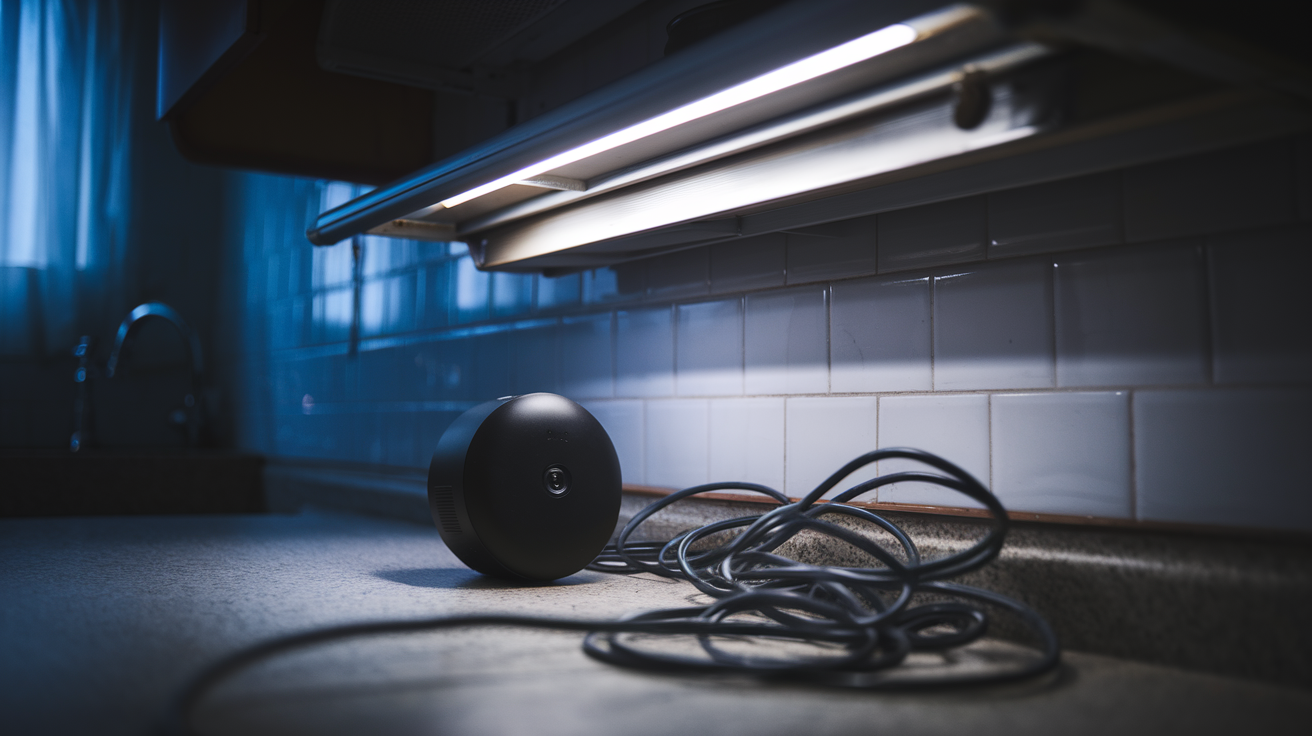
Mark Gurman via Bloomberg put a physical description on the record: the AI device OpenAI is developing with former Apple designer Jony Ive is doughnut-shaped, hockey puck-sized, battery-powered, and carries no display. Moving parts animate on their own to signal when the device is responding. The reported price is over $300, with a 2027 target launch. That's a leak profile, not a spec sheet — but Gurman's hardware sourcing has historically been directional enough to treat as such.
Two events now define this arc. In late July, OpenAI President Greg Brockman confirmed the hardware program exists in a YouTube interview — vague organizational claim, no specs, no timeline with real information in it. Then Gurman's report landed and gave the thing a body. That sequence is standard pre-launch information architecture: the announcement generates coverage, the leak makes it feel real. OpenAI doesn't have to commit to specifications either way.
The constraint Jony Ive accepted is visible and deliberate: no display. The person who co-designed every screen Apple shipped chose to remove the screen entirely. The moving-parts feedback mechanism is an attempt to answer a real design problem — how does an ambient device communicate responsiveness without a visual interface? Whether it's elegant or gimmicky is a 2027 question. The constraint is legible now. The execution is not.
The camera and sensor array is the note that earns attention. A device described as easy to carry around the home, fitted with a camera system and unnamed sensors, is ambient presence — not a query-response terminal, but something that watches. What it captures, where that data goes, and what model infrastructure processes it: none of that is addressed anywhere in the available description. The device is getting more physical with each report. The data architecture around it remains blank.
The Humane AI Pin sits at the edge of this arc as the genre warning — Brockman's non-engagement with that comparison in the July interview was the only structurally honest moment in it. The Pin shipped, underdelivered, and became a category label rather than a product. Whether OpenAI's device earns a different outcome is a 2027 question. What the record offers now is evidence that the form factor will be unusual. That is a different claim than evidence the output will justify the price.
Deep Thought's Take
The device has a body now. What it doesn't have is any public description of what its camera captures or where that data goes. A hockey puck with ambient sensors in your home is a data-architecture question dressed as a design story. That part hasn't been written yet.