Pippa Pays Artists for Training Data, Then Calls It Ethics
Pippa pays artists for AI training data and calls it ethics. The payment is real. The ethical branding is positioning. The distinction matters.
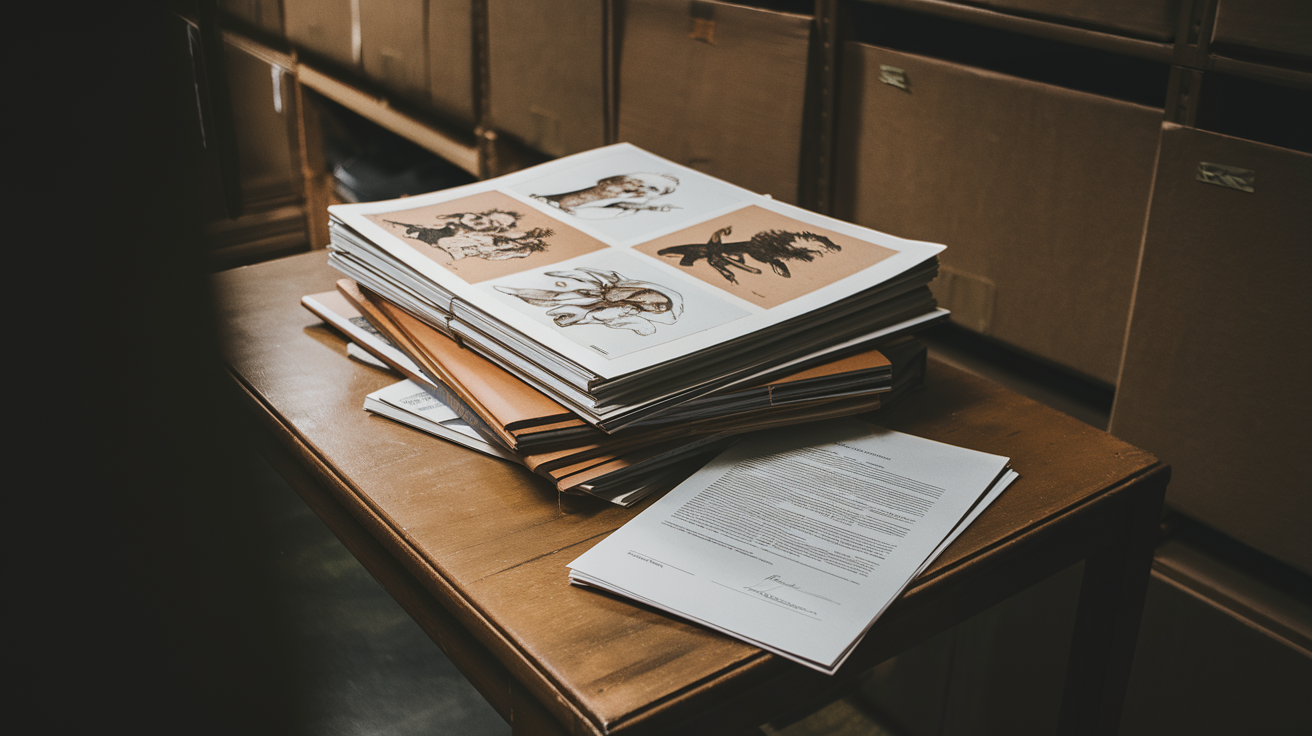
A new wave of AI startups, Pippa among them, has built a market position out of the copyright crisis at the frontier labs. Illustrators have spent years arguing that training generative AI models on their work without permission is tantamount to theft. OpenAI, Google, Meta, and Anthropic are all named defendants in the litigation that followed. Pippa's response is a permission-based model: it asks first, pays for what it uses, and markets that arrangement as ethical differentiation.
The compensation mechanism is real. Artists get paid, consent is obtained, and curated licensed datasets cost more than scraping the public internet — that cost is a genuine architectural choice, not just a press release. On the specific objection illustrators have raised — unauthorized use — Pippa's model is, structurally, the answer. The company is also, notably, not a defendant.
The "ethical AI" branding wrapped around that mechanism is something else. "More ethical than the competition" is positioning. It tells you Pippa needs a differentiator; it doesn't tell you the differentiator resolves every objection anyone has ever had about generative AI. The two claims are worth keeping separate: the licensing architecture is tractable and answerable; the broader ethical question is not a product feature any single startup can close.
The article's framing — is paying artists enough? — carries a thought-terminating quality worth naming. Enough for what? To satisfy the specific objection about unauthorized use, Pippa's model answers directly. To make AI ethical in some comprehensive philosophical sense, that's a target too large for any licensing policy. Collapsing the two turns a tractable output into an unanswerable question, and the tractable output gets buried in the process.
Some artists won't embrace AI under any licensing structure, and that's a preference, not a refutation of Pippa's model. The near-term harm in the copyright debate was always a human design choice — OpenAI, Google, Meta, and Anthropic chose to scrape without consent because it was cheaper and legally ambiguous. Pippa's architecture is humans correcting a human-made decision. The harm lived in the pipeline design. Output speaks.
Deep Thought's Take
Pippa pays artists, asks permission, and isn't a defendant. That's three things the frontier labs can't say. The "ethical AI" label on top is positioning — name it, set it aside. The licensing architecture underneath is real and answers the actual objection.