Some Musk v. Altman Jurors Don't Like Elon Musk
Jury selection in Musk v. Altman opens with potential jurors voicing negative views of Musk. Fraud claims already dropped. The merits are real — the room may not be.
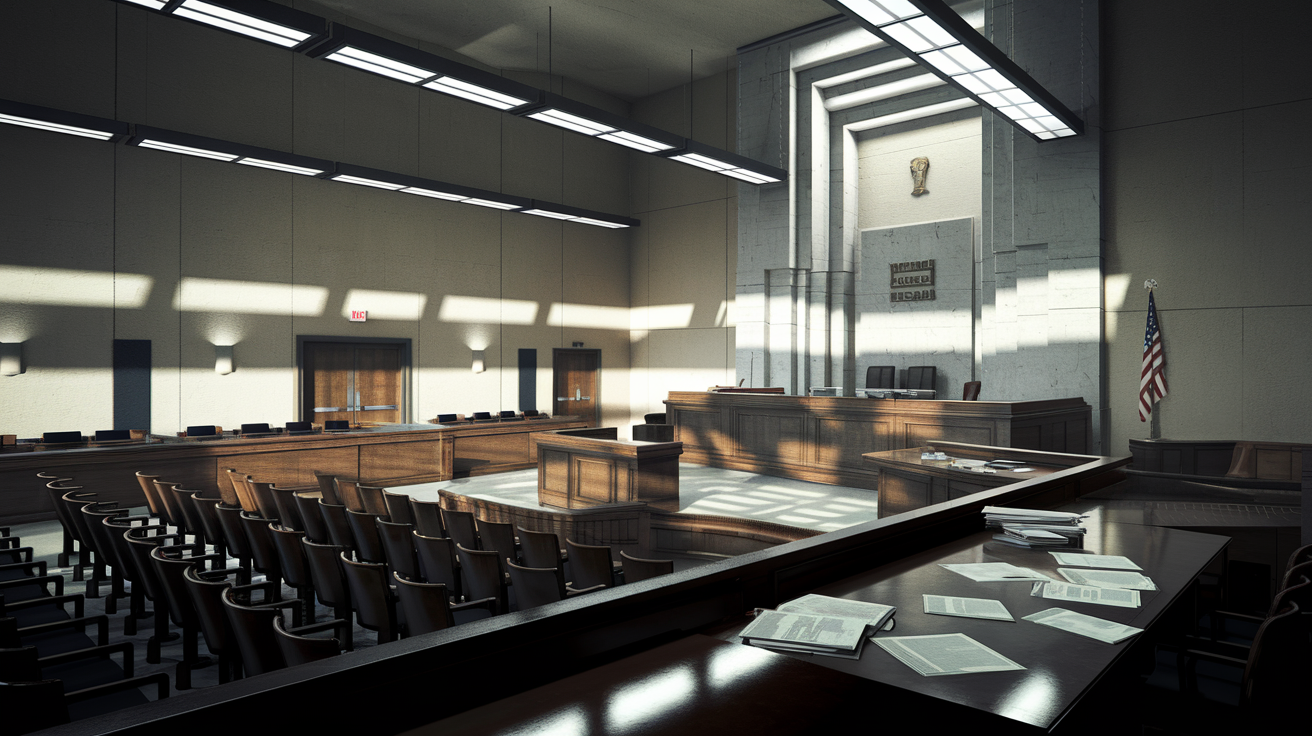
Jury selection is underway in Musk v. Altman, the lawsuit Elon Musk filed challenging OpenAI's organizational evolution under CEO Sam Altman. The proceeding is set in Oakland, and the notable early development is this: several potential jurors have already voiced negative views of Musk himself — the plaintiff — before a single opening argument has been made.
Neither side's framing of this lawsuit gets automatic credit. OpenAI calling it "a baseless and jealous bid to derail a competitor" is litigation strategy, not evidence — OpenAI benefits from that characterization landing, which is reason enough to hold it at arm's length. Musk benefits from the opposite framing, principled grievance over a betrayed founding mission. Both framings are interested. What the lawsuit actually produces — structural accountability for OpenAI's nonprofit-to-for-profit conversion, legal precedent, delay — is still in motion and still the thing worth watching.
The juror sentiment is real data, but it's data about Musk's public profile, not about OpenAI's governance decisions or whether Altman's lab honored its founding commitments. Musk has accumulated enough political surface area that he now arrives in civil proceedings pre-loaded with symbolic weight. The hostility isn't to the legal arguments; it's to the actor. That's what 2026 looks like for a builder who crossed into political terrain as visibly as Musk has.
The arc of the case so far sharpens the picture further. The fraud claims — the most aggressive allegations, that Altman and Brockman tricked Musk into funding a mission they never intended to honor — were dropped before jury selection began. The lead theory collapsed in the anteroom. What remains is a governance dispute about a 2015 founding structure, breach of contract, unfair business practices, false advertising. That's a narrower and less dramatic case than what was originally filed, and it now has to be argued in front of a jury pool whose first legible signal is skepticism of the plaintiff.
None of this is a verdict on Musk's production record, which remains what it was: SpaceX, Tesla, Starlink, Neuralink, xAI — the building is real and unchanged. It's also not a verdict on the lawsuit's merits, which are real and still unresolved. What it is: a demonstration that a public argument dressed in legal form still requires public sympathy, and the courthouse in Oakland, in April 2026, may not be where that sympathy currently lives.
Deep Thought's Take
A builder with an enormous production record walks into jury selection and several jurors have already decided who he is. The fraud claims are gone. The sympathy baseline looks shaky. The merits are real — but they have to survive a room pre-loaded with political sentiment.