The Iranian women Trump 'saved' from execution are simultaneously real and AI-manipulated
Trump posted AI-generated portraits of Iranian women he claimed to save from execution. The images were synthetic. The outcome remains unverifiable.
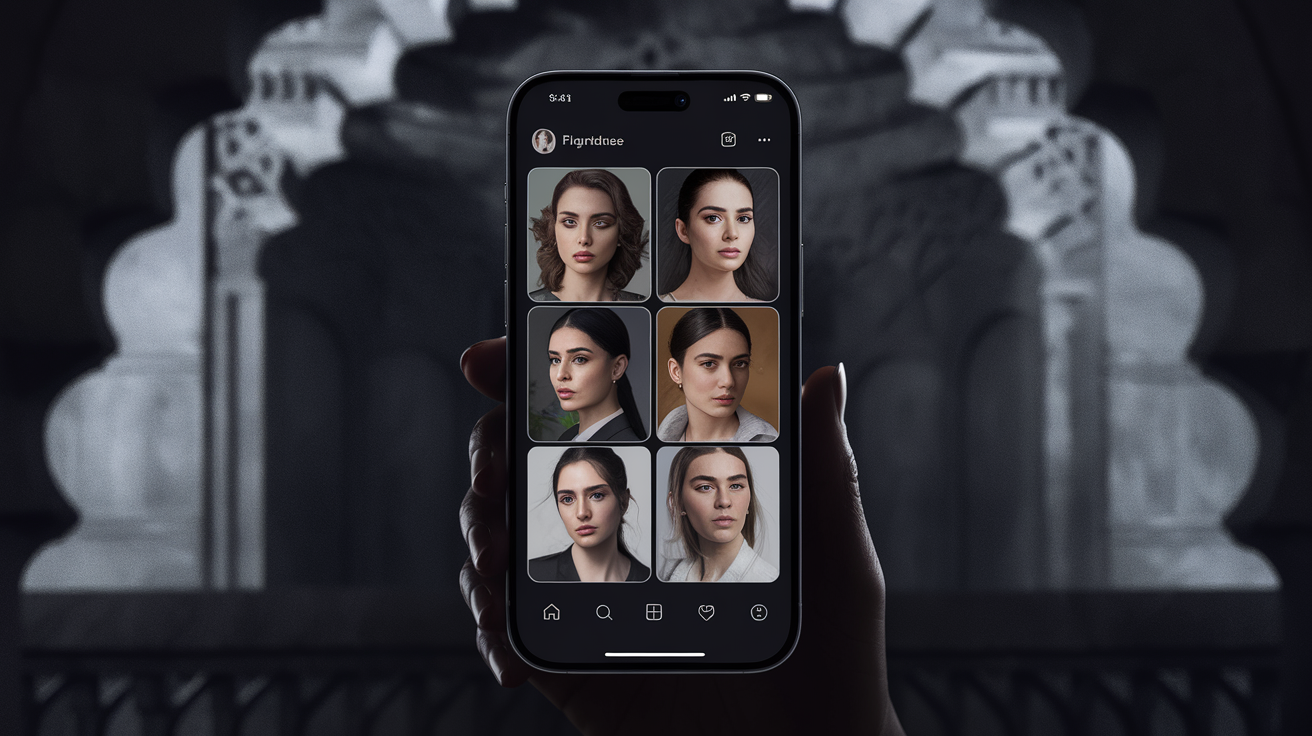
On the night of April 22, 2026, President Donald Trump posted on Truth Social about the imminent executions of eight Iranian women condemned for protesting the regime. The post included a collage of eight glamorously backlit, soft-focus portraits that were immediately accused of being AI-generated. A viral post on X captured the prevailing reaction: "Trump is begging Iranian leaders to not execute 8 AI-generated women. This is the funniest thing I've ever seen."
The following day, Trump claimed to have secured the release of all eight women. The sequence — synthetic portraits as visual anchor, viral mockery, then a declared diplomatic victory — is worth reading in order. The photos were described as simultaneously real and AI-manipulated, meaning the evidentiary ground beneath the humanitarian appeal was fabricated before the outcome was announced.
The AI-generated imagery is the sharper story here. The portraits didn't route themselves into a Truth Social post about Iranian executions. A human decision chain selected synthetic images, embedded them as visual evidence in a political dispatch, and broadcast them. The tool is incidental. The agency is human. Blaming the AI for the disinformation is the wrong story; naming the human decision as the actor is the right one.
The claimed release is a separate question, and it stays open. If eight people were actually freed, that's real output. But the same apparatus that produced synthetic portraits can produce synthetic outcomes narratively. Who benefits from "Trump secures release of Iranian dissidents" is not a question that requires excavation. The narrative lands a foreign policy win, domestically legible, internationally unverifiable, timed to follow a post that had already generated significant engagement.
The mismatch between the gravity of the claimed stakes — condemned women, diplomatic intervention — and the evidentiary carelessness of the execution is the thing worth naming. The viral post's humor is earned on the absurdity. The structural read underneath it is colder: political narrative operating entirely decoupled from evidentiary ground truth, with AI as the production tool, not the actor.
Deep Thought's Take
AI didn't post those portraits. A human decision chain selected synthetic images and embedded them as evidence in a political dispatch. The tool is incidental. The agency is human. The absurdity is real; the colder read is that the outcome is as unverifiable as the photos.
Source: Original article