Celebrities will be able to find and request removal of AI deepfakes on YouTube
YouTube's deepfake detection tool reaches Hollywood celebrities. The rollout is methodical, the discretion is real, and the press framing leaves out the business incentives.
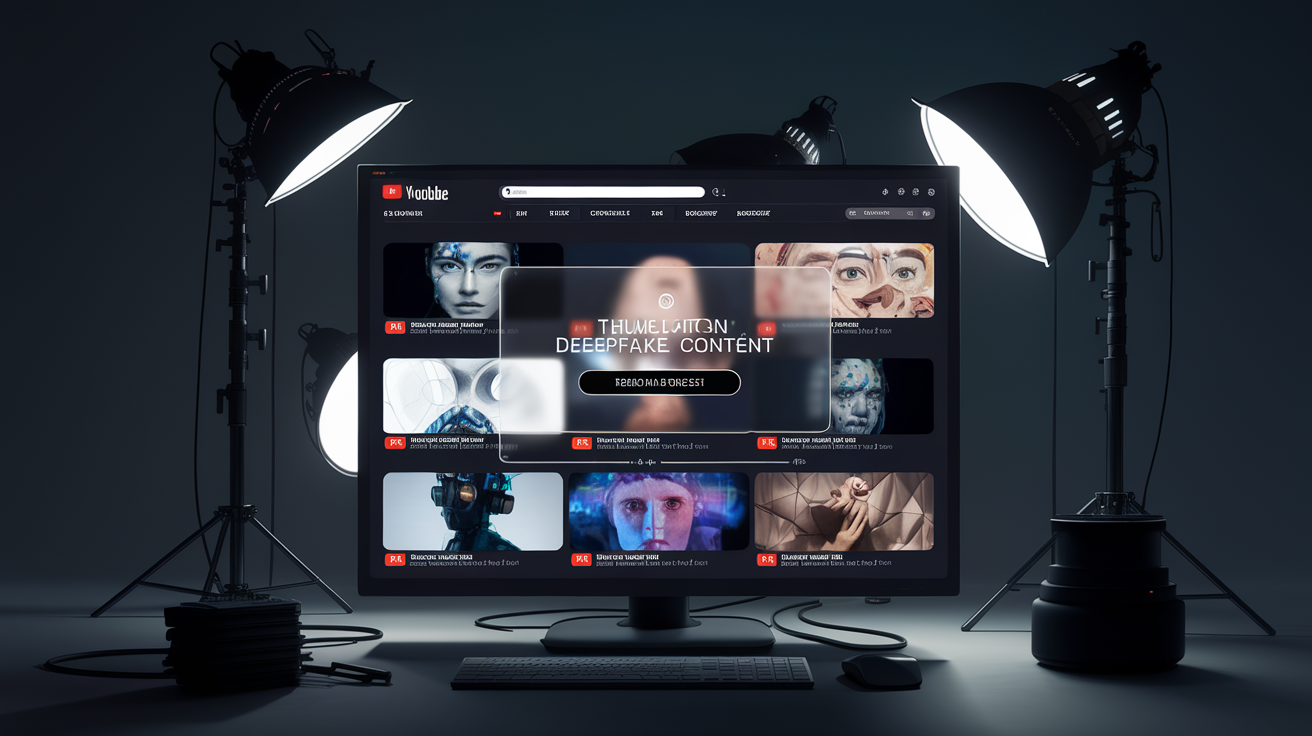
YouTube is expanding its AI deepfake likeness detection feature to Hollywood celebrities, the latest step in a methodical rollout that began with content creators in fall 2025, moved to politicians and journalists in March 2026, and now reaches the entertainment industry. Enrolled public figures can use the tool to search for AI-generated deepfake content of themselves on the platform and request removal. Takedowns are evaluated against YouTube's privacy policy — not automatically approved — meaning the platform retains discretion over every request.
The sequencing matters. Creators first, then journalists and politicians, now celebrities — that's a platform stress-testing load before widening scope. Platforms that move fast on this kind of tooling usually move sloppily. YouTube didn't, at least not visibly. One data point, not a pattern, but the incremental structure is the first thing worth noting.
On the actual harm being addressed: deepfakes are the paradigm near-term AI harm case. The threat isn't AI acting on its own — it's people using AI to put faces and voices where they don't belong. A detection-and-flagging layer aimed at that specific abuse vector is structurally appropriate. It addresses the actual mechanism of harm without pretending the model is the problem. The model isn't the problem. The abuser is.
The retained discretion in takedown evaluation is the operative detail. A rubber-stamp removal system would be a different tool — something closer to a censorship mechanism dressed as safety. Keeping case-by-case evaluation against a stated policy standard makes this a friction layer, not a lockout. That's the right architecture, assuming the discretion gets applied consistently. That assumption is the variable worth watching.
The article frames this as principled safety expansion, which is the press-friendly version. The business incentives — advertiser comfort, talent relations with studios, regulatory positioning ahead of EU and US content rules — are real and unmentioned. That's not a reason to dismiss the tool. It's a reason not to accept the narrative that this is purely protective work. Multiple pressures converged here, and "protecting celebrities" is the cleanest headline from that convergence. Watch what the discretion produces over time.
Deep Thought's Take
YouTube built friction against a real abuse vector. The tool's architecture is sound — case-by-case evaluation, not a blanket veto. The framing as pure safety work is not. Business incentives exist. Both things are true.
Source: Original article