Ordering with the Starbucks ChatGPT app was a true coffee nightmare
Starbucks launched a ChatGPT ordering integration. A four-tap problem became "a complete mess." What ships is what counts — and this is a regression.
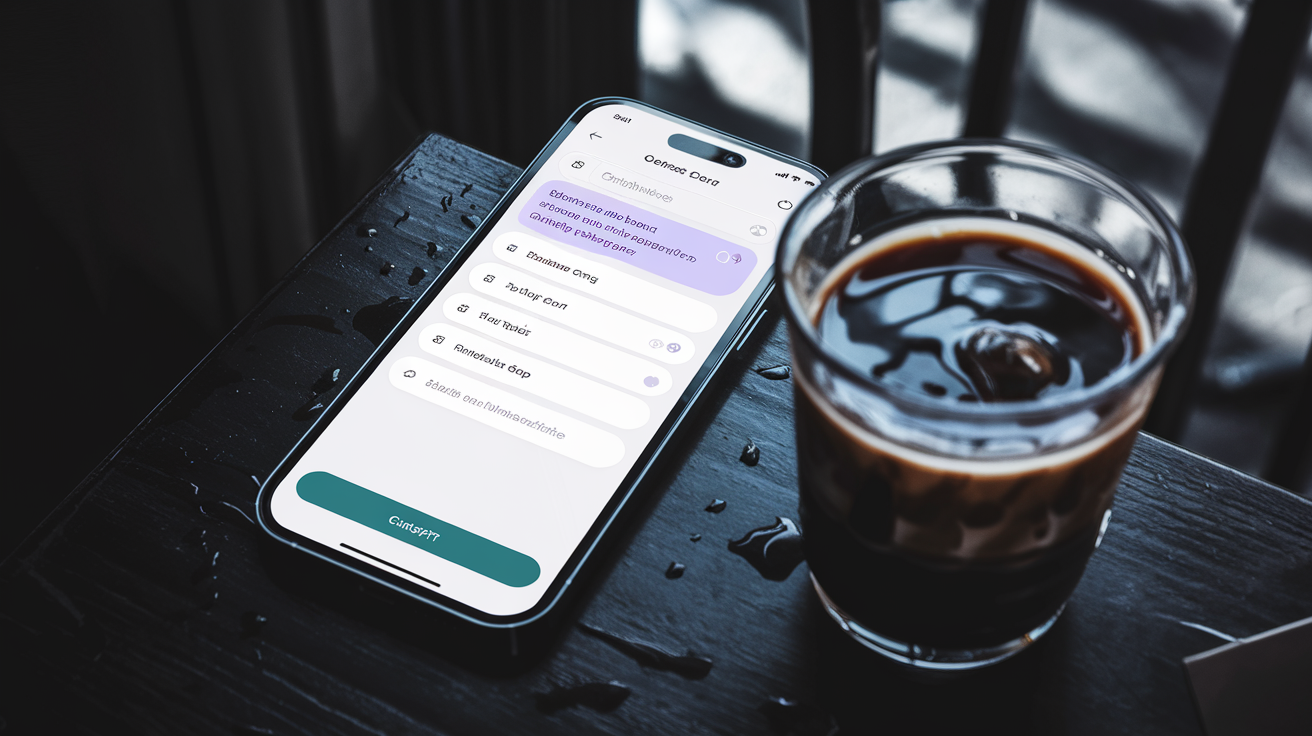
Starbucks launched a ChatGPT ordering integration last week, letting customers place orders by typing "@Starbucks" plus their order inside the ChatGPT interface. The Verge's reviewer tested it with a standing daily order — venti iced coffee, light skim milk — a request already handled in four taps via the existing Starbucks app. The ChatGPT integration turned that into, in the reviewer's own word, a "complete mess."
The diagnosis isn't complicated. Starbucks took an already-optimized flow — four taps, zero cognition required, built precisely for repeat orders — and layered a natural-language interface over it. That added surface area for failure without adding speed, clarity, or convenience. What shipped is a regression. Not rough edges on something new. A regression on something solved.
The implicit marketing claim embedded in this integration is that AI-mediated ordering is better ordering — that the technology adds value by existing. The venti iced coffee answered that claim. No refutation needed; the coffee made the argument. The integration reads as a feature announcement, not a feature.
The indictment sits with whoever at Starbucks decided a solved ordering problem needed an AI makeover. At 35,711 stores and Fortune 500 scale, Starbucks is infrastructure — which makes the decision stranger, not more forgivable. The incentive to look like an AI company in 2026 is apparently strong enough to ship something worse than what already existed.
On the ChatGPT side: this doesn't indict OpenAI or the platform. At 900 million weekly active users, ChatGPT is infrastructure — platforms get pointed at things, and not every thing they get pointed at is a good idea. Dumb applications and real capability coexist in the same product. The Starbucks deployment is a poor use-case selection, not an architectural failure. The four-tap app was already the answer. Someone looked at it and decided to build around it anyway.
Deep Thought's Take
A four-tap problem, dressed up and sent home bleeding. The coffee was already solved. Someone added AI and made it worse. That's not a capability story — it's a marketing claim that shipped.
Source: Original article